
By Sanjana Thapa
What Can a Lawyer Do When a Motorcycle Crash Is Blamed on the Rider?
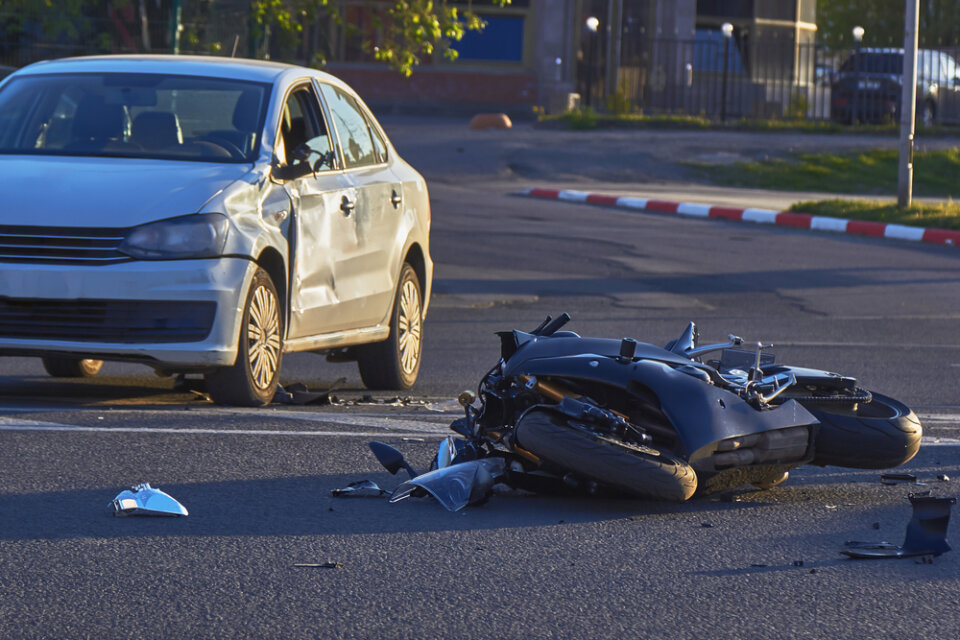
After a motorcycle crash, the rider can become the easiest person to blame. A damaged bike, a serious injury, or a claim that the rider was moving too fast can shape the story before all the details are considered. Yet a crash rarely comes down to one action alone. Other drivers, road conditions, traffic movements, and the timing of events may also have a place in what happened.
A lawyer for motorcycle crash injuries can look at those parts together instead of accepting blame as the full explanation. The focus is on finding out whether the rider’s actions truly tell the whole story of the collision.
“The Rider Was at Fault” Does Not End the Story
Motorcycle riders often face a tough assumption after a crash. Because motorcycles are smaller and less protected than cars, people may quickly point toward the rider’s actions. A claim that the rider was speeding or driving carelessly can sound convincing at first.
Yet fault still has to be considered in relation to the whole crash. A rider may have made a mistake, while another driver also made a mistake that helped cause the collision. Traffic movement, road position, turns, lane changes, and the actions of other road users can all matter.
A lawyer may therefore look past the first version of events instead of treating blame as a final answer.
Three Arguments That May Be Used Against the Rider
A disputed motorcycle case can take shape around a few common claims. The other side may argue that:
- The rider was going too fast for the road.
- The rider made an unsafe move before the crash.
- The rider should have reacted sooner or avoided the collision.
Each argument needs to be looked at on its own. A statement about speed, for example, does not automatically explain why the crash happened. The same applies to claims about lane position or reaction time.
The question is how each part connects to the actual collision. A lawyer may compare the different accounts and examine whether the blame being placed on the rider tells the full story.
A Lawyer Does Not Have to Pretend the Rider Did Nothing Wrong
Good legal work does not depend on making every fact look perfect. A rider may have made a poor choice before a crash. That does not automatically mean every other issue disappears.
A lawyer may assess the rider’s actions alongside the conduct of other people involved. The focus can shift from proving that the rider was completely free of fault to asking how the different actions contributed to the crash.
That distinction can matter in a case where both sides point fingers. A fair review does not need to create a perfect story. It needs to deal with the facts as they are.
What Happens If the Other Side Has Already Built Its Story?
Sometimes the blame starts before the legal side of a case has even been fully reviewed. A driver may give one account of the crash. A witness may remember something differently. Someone else may describe the rider’s actions in a way that leaves out an important detail.
Once these statements are repeated, they can begin to sound like settled facts.
A lawyer may challenge that early version by going back to the sequence of events. Who moved first? What was happening just before the impact? How did the vehicles approach each other? Did the other driver have an opportunity to respond?
These questions can expose gaps between what someone says happened and what the surrounding facts suggest.
What Should Not Be Lost in the Blame?
A motorcycle crash is more than a single accusation. The details surrounding it can change how the situation is viewed.
A legal review may consider:
The road and traffic
Road layout, traffic flow, signals, turns, and visibility can help establish what each road user could reasonably see and do.
The actions of other drivers
A rider may be blamed for the crash even though another driver changed lanes, turned, stopped, or moved into the rider’s path in a way that also needs attention.
The sequence of events
Small differences in timing can matter. Looking at what happened immediately before, during, and after the collision may provide a clearer account than focusing on one statement.
The rider’s conduct
The rider’s own actions should also be considered honestly. If there was an error, a lawyer may need to understand its place in the overall crash rather than ignore it.
Looking at the Whole Collision
Blame can make a motorcycle crash case look simple, but the real picture may be more complicated. A rider can be criticized for one action while another person’s conduct also played a part in the collision. Treating the first accusation as the final answer can leave important questions unanswered.
For someone dealing with motorcycle crash injuries, speaking with a lawyer for motorcycle crash injuries can bring a closer look at the full sequence of events, the different accounts, and the role each person may have played. A proper review does not need to change every fact. It needs to make sure the entire crash is considered, rather than only the part that puts the rider at fault.


