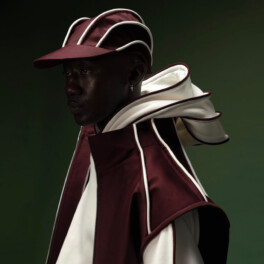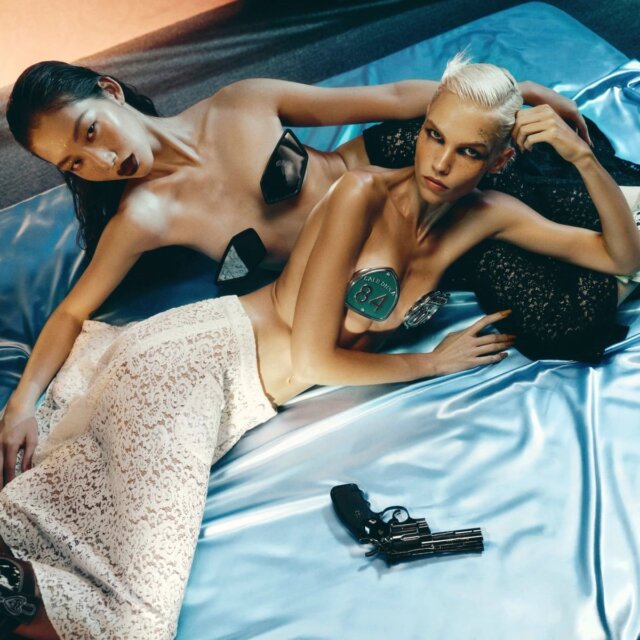
At Shanghai Fashion Week, Mark Gong delivered chapter two of Urban Love: pastel lace, sequins, a staged corridor and a heroine who finally lets her guard down.
Most labels sell a season. MARKGONG is writing a serial, and the second instalment has just landed on the Shanghai Fashion Week schedule as ‘Til We’re Us, the next chapter of its Urban Love story.
The star of that story is the Gong Girl, a recurring character who until now was defined by confidence and control. In MARKGONG SS27 the script turns. She goes through infatuation, anticipation and heartbreak, and the clothes follow her through each stage. Designer Mark Gong, speaking to DSCENE, says the narrative is not borrowed. Asked how much of it comes from his own experience of love and obsession, he said: “One hundred percent.”
A set, a score and a cast of fabrics
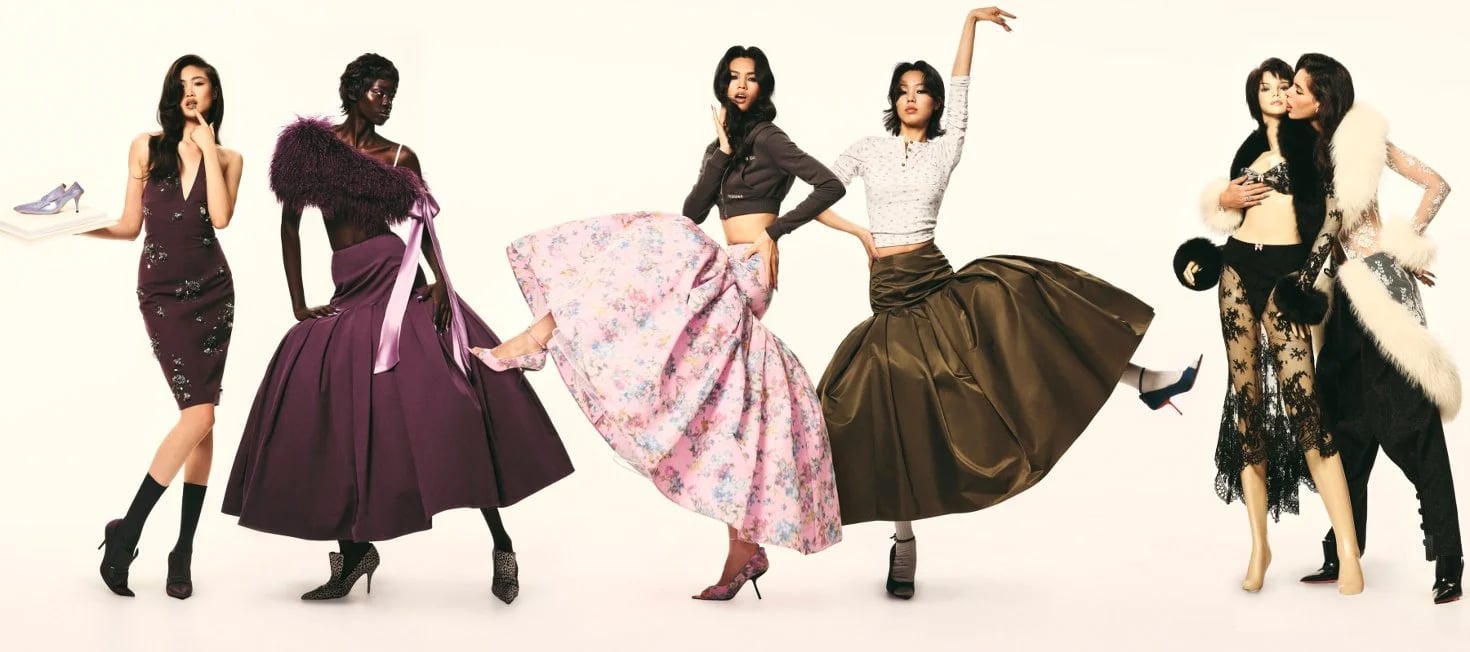
Treat the show as a production and the credits read well. The set was a pink corridor. The score tracked the Gong Girl’s shifting moods. The wardrobe department worked in lace, sequins, feathers and sheer tulle, in pastel mint green, pink and purple.
Gong insists none of it works as a single clip. Asked which look says the most about him, he refused to pick a hero. “You have to see the whole collection together,” he said. “The music, the styling, the colors, even the way the models walk all have a reason behind them. Everything changes along with the emotion.” In other words, the walk is a directorial decision, not a side effect of the shoes.
It is a useful reminder for anyone who judges collections from still images. The sweetness on the surface is the setup. The payoff sits underneath, where, in Gong’s words, there was “this feeling of heartbreak underneath it.”
Where the first stitch went
The first piece Gong designed was the sequin lace opening look. He wanted something sexy with nightlife energy, built around a precise picture: a girl who dresses up sweet and goes clubbing because she wants to catch someone’s attention. He says he never described it publicly as a “club look”, though it was one of the earliest starting points.
From there he took his cues from a record. Gong kept Olivia Rodrigo’s new album on repeat, listened closely to the lyrics and to what each song did to him at that moment, then blended those reactions with what he was living through. Few designers admit their mood board is a streaming queue. It makes for an honest one.
The material he left out
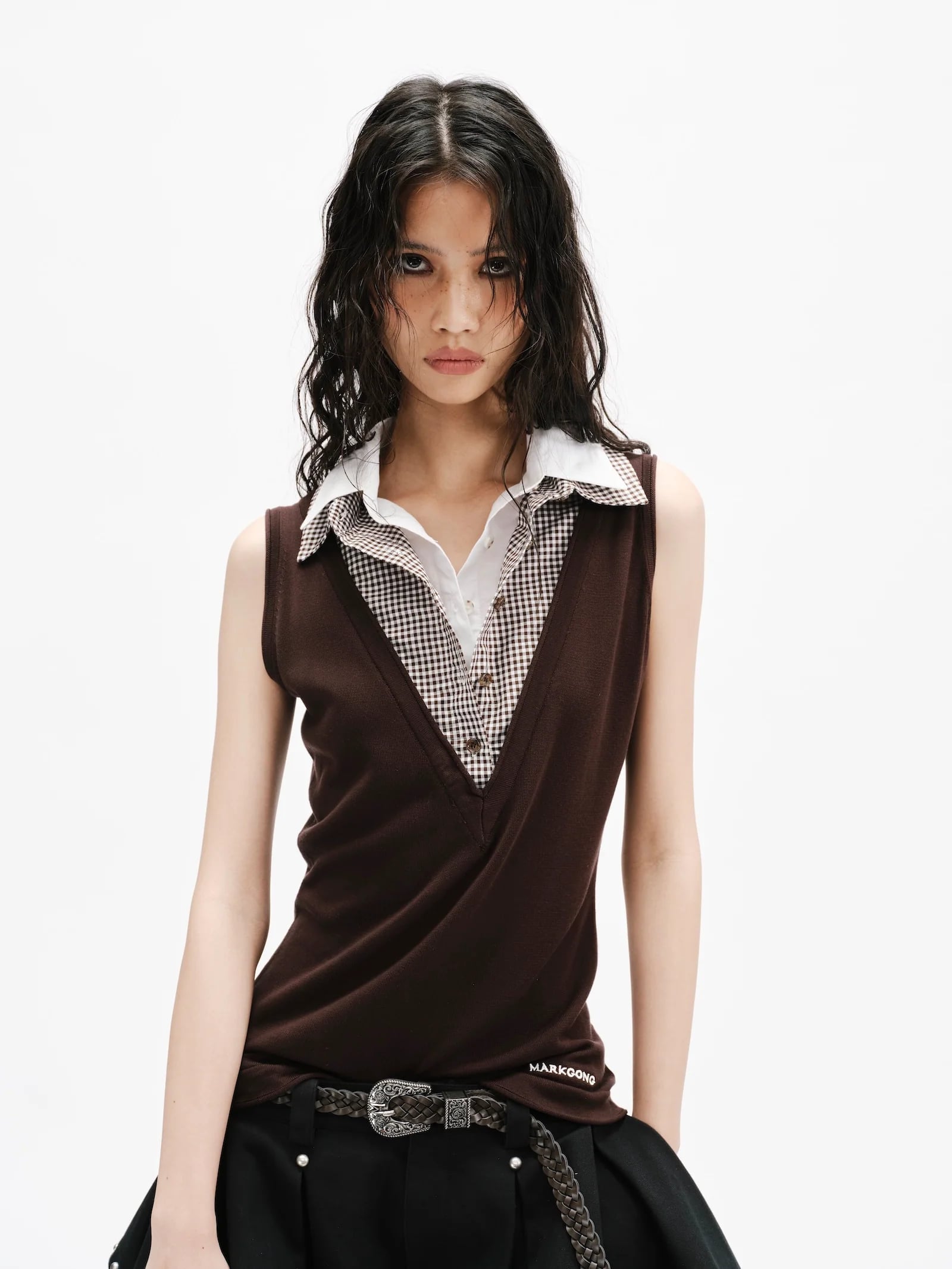
Ask Gong for the most unexpected decision of the process and he skips colour and cut. “Not using any leather at all,” he said. “That was probably the most unexpected decision for me.”
For a house that trades on nightlife and a certain edge, that is a notable omission, and it leaves the collection’s weight on fragile things: lace, feathers, tulle, sequins. A designer who cuts a material from the cast list is making a point about where the drama should come from. Here it comes from softness.
The heroine is allowed to change
The most interesting casting note concerns the Gong Girl herself. Gong describes the bond bluntly: “She is me, and I am her.” That makes her evolution a personal one, and he does not hide it. Several things in the collection, he says, are pieces she probably would not have worn before.
He sees that as the draw. “She isn’t someone who stays the same forever,” he said, adding that she moves into new phases of her life and that this made the collection feel fresh to him. For a brand built on one recurring character, letting her grow beyond her original brief is the sensible commercial instinct as well as the creative one. A muse who never changes runs out of plot.
What comes next is unannounced. Asked whether audiences have yet to see a side of MARKGONG, Gong answered that they will have to wait and see how his story unfolds. Two chapters in, with the lead newly vulnerable, the wait has a built-in hook.
Via DSCENE