
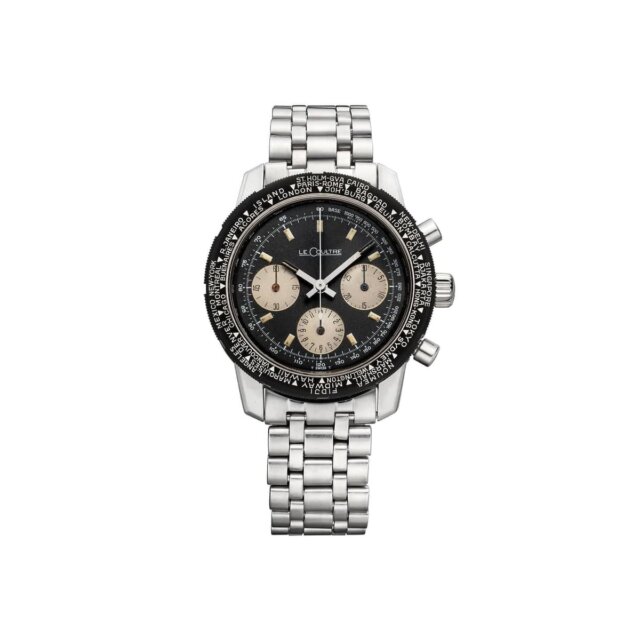
Nine restored watches made only for the US market between 1933 and 1981 go on view in New York from November 6 to 20, 2026, and every one is for sale.
A coin with a watch hidden inside it is probably not what you expect from a Swiss manufacture, yet it sits in the line-up of Jaeger-LeCoultre Collectibles VIII, opening at 701 Madison Avenue in New York on November 6. The presentation runs to November 20, 2026, Monday to Saturday, 10:00 a.m. to 6:00 p.m. The nine watches on show were made exclusively for the American market between 1933 and 1981. All of them can be bought.
The pieces are sold at the flagship during the run and, from November 6, worldwide through jaeger-lecoultre.com.
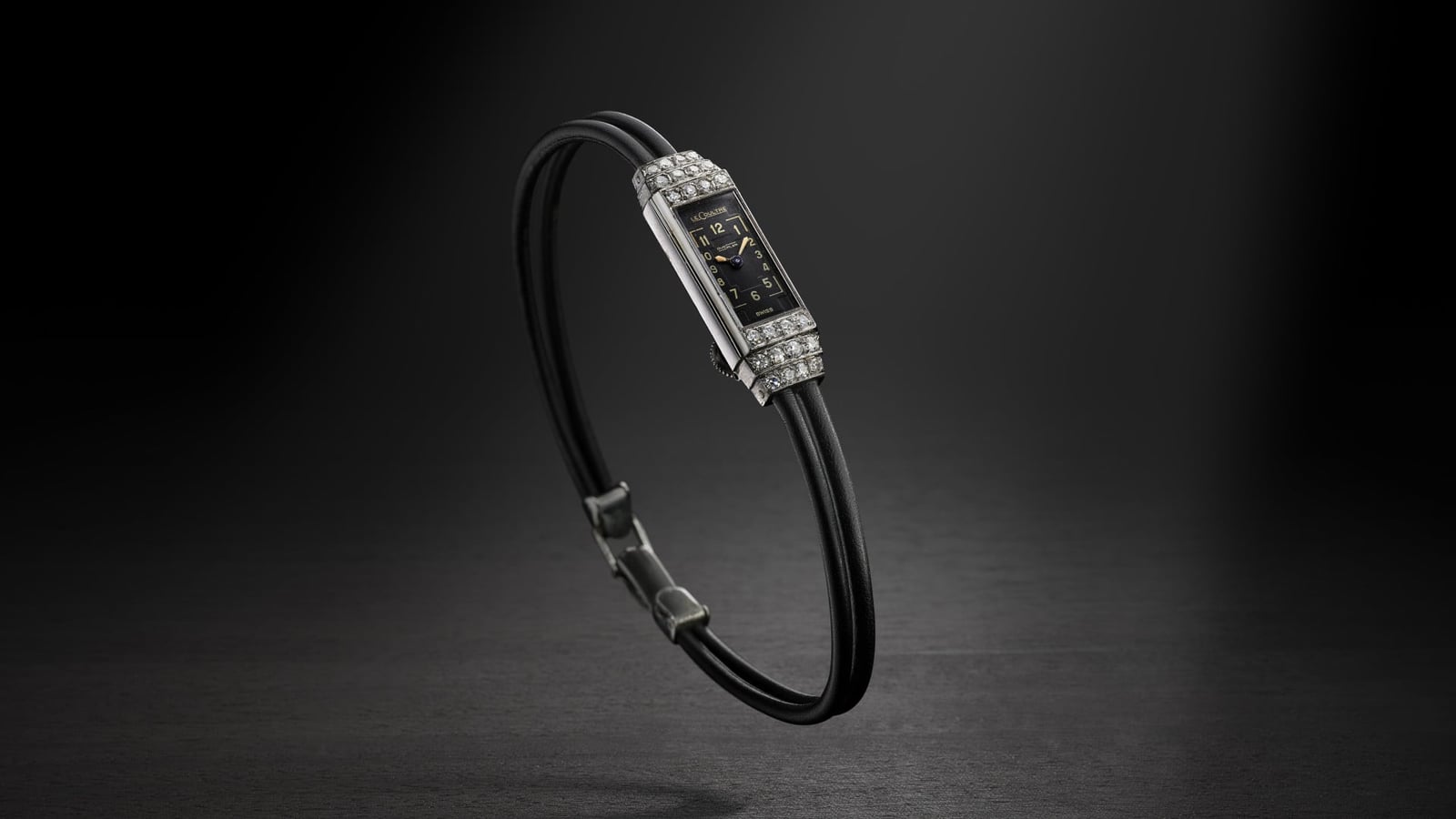
Why “LeCoultre” alone on the dial
The title of the capsule, ‘LeCoultre’, refers to a naming quirk with a commercial cause. Jaeger already had a presence in the United States by the late 1920s, and in 1936 LeCoultre S.H. of America opened its New York office. High import duties shaped what crossed the Atlantic. Swiss movements, dials and hands travelled with matching parts, while cases were often made locally and the watches were assembled and finished in America.
Movements bound for the US frequently carried 17 jewels, were marked “unadjusted” and bore the customs code VXN. The tariff workaround became a look of its own: gold-filled and 14k gold cases, American proportions, and models built for local taste. Collectibles VIII is the second New York presentation of the programme, timed as a tribute to the 250th anniversary of the Declaration of Independence.
The nine, decade by decade
The line-up covers every decade of that chapter. The oldest piece is a rare 1933 Reverso with a chocolate-brown dial. It runs on Caliber 410, the first in-house movement developed specifically for the Reverso, with small seconds at six o’clock.
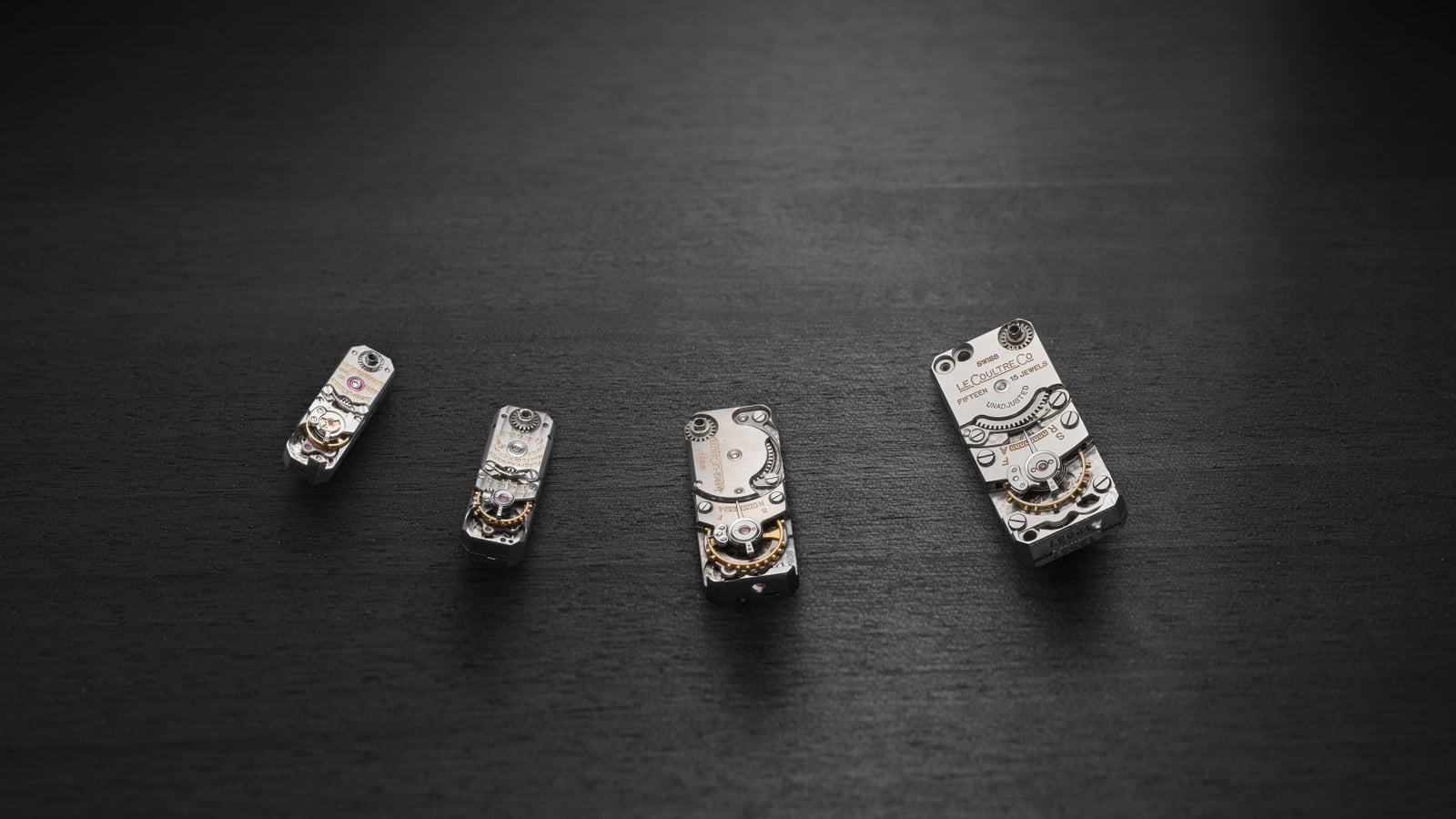
The key piece is a circa 1952 Triple Calendar Ref. 2726, in 18k yellow gold with Caliber 484. It was the Maison’s first Triple Calendar in a rectangular case, launched as a tribute to Jacques-David LeCoultre. Beside it sits a 1947 Triple Calendar that pairs a steel case with an 18k pink gold bezel and Caliber 494.
The 1950s automatic gets two entries. Both Powermatics, from around 1950 to 1952, run Caliber 481 with its dial-side power reserve. One is the Powermatic Nautilus in yellow gold-filled. “Nautilus” was a 1950s nickname for a lug design, one that long predates another famous use of the name. The other has beetle lugs in 14k yellow gold, a black dial and a red power-reserve hand.
The later pieces lean sporty and eccentric:
A 1968 Master Mariner Deep Sea Barracuda. A circa 1970 Shark Deep Sea chronograph on Valjoux Caliber 72. A 1972 Memovox Polaris II on Caliber 916. And the circa 1981 Coin Watch, which tucks ultra-slim Caliber 839 inside a hollowed-out 18k gold US $10 coin.
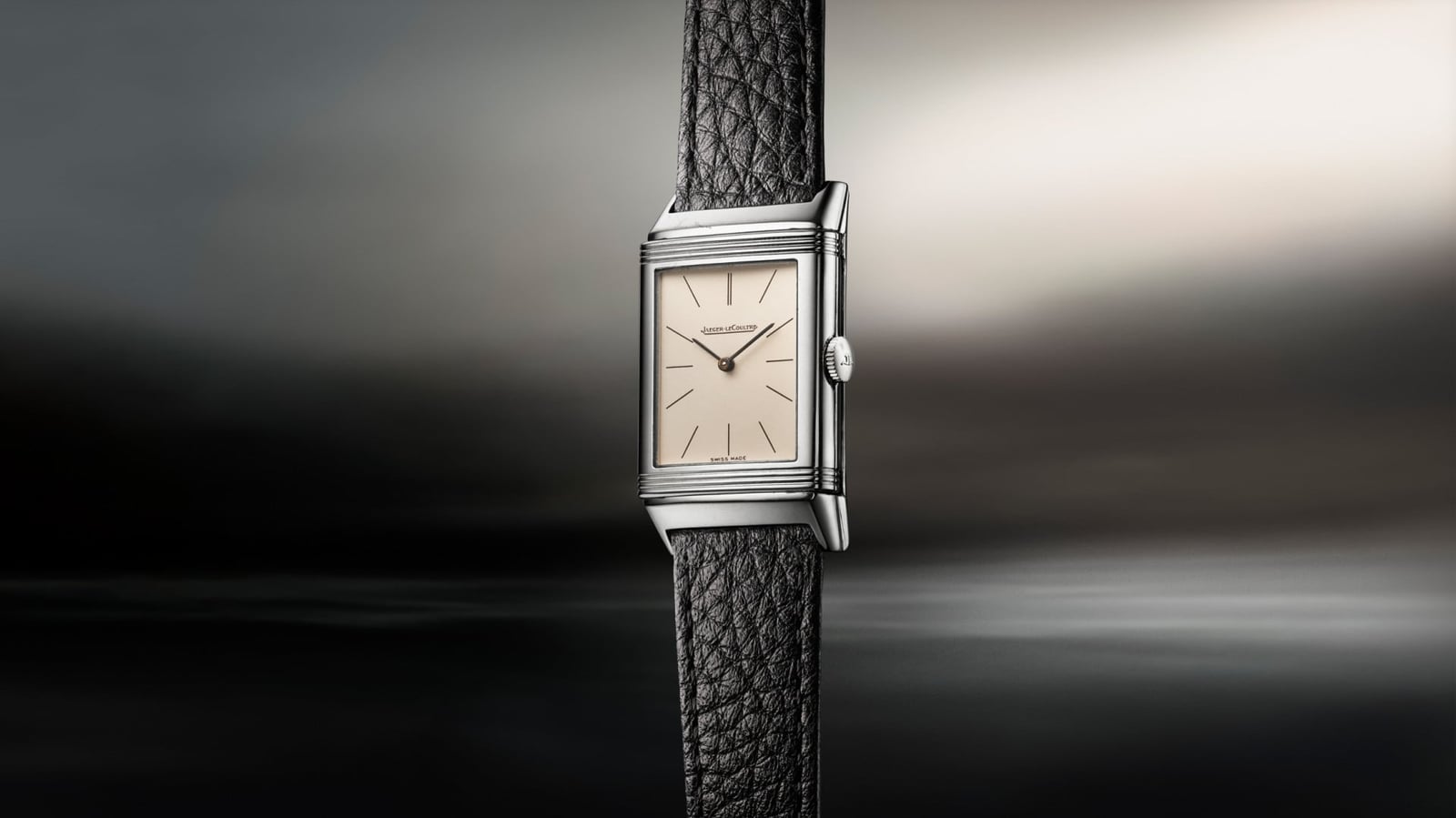
Restored, not repainted
The collector appeal comes from the workshop as much as the designs. Every Collectibles piece goes through the Manufacture-Atelier’s dedicated team of ten master watchmakers. They service the movements, rebuild components by hand and draw on heritage stocks, while preserving patina. That last point matters to vintage buyers, who often prize signs of age over a showroom shine. Jaeger-LeCoultre’s Heritage experts then certify each watch to museum-grade standards.
The programme sources, restores and offers rare mid-century pieces from a curated set of 17 emblematic models. The paperwork is part of the pitch. Buyers receive an extract from the Jaeger-LeCoultre archives and a complimentary copy of The Collectibles book. A new handmade leather strap is fitted unless an original metal bracelet survives. Original boxes, papers and straps are included when available.
For anyone interested in how Swiss watchmaking met American culture, from jazz and Hollywood to motor racing and the Space Age, this is the archive turned into something you can wear. The presentation runs for two weeks, and the pieces are one of a kind.
Via Haute Time


