
By Sanjana Thapa
Understanding Insurance Disputes After a Hit and Run Accident in El Paso, TX
An insurance claim should help cover losses after a crash, but disagreements can make the process harder than expected. In El Paso, TX, a hit-and-run adds another problem because the driver responsible may be nowhere to be found.
You may have vehicle damage, medical bills, and questions about who will pay. Your insurer may also ask for proof before deciding what your policy covers. After a hit-and-run accident in El Paso, knowing why these disputes happen can help you keep track of the right records and understand what your insurance company needs.
Why Insurance Companies May Question Your Claim
Insurance companies need facts to decide if a claim meets the terms of a policy. After a hit-and-run on an El Paso road, proving what happened may be harder if no one saw the crash or the other driver left before sharing their details.
An insurer may ask for a police report, photos of the damage, witness statements, or other records. It may compare these details with your account of the crash before making a decision. Missing information can lead to more questions or delays. However, a request for more proof does not automatically mean the insurer will reject your claim. Clear records can help explain the events and support your account.
Disputes Over Uninsured Motorist Coverage
Uninsured motorist coverage may help pay for certain injuries caused by a driver who has no insurance or cannot be identified after a hit-and-run. Whether it applies depends on your policy and the rules in Texas.
Disputes may arise over the type of crash, the evidence available, or the policy’s requirements. For example, an insurer may ask for proof of physical contact between the vehicles or records showing that the incident was reported as required. The exact rules depend on the coverage involved. If the insurer questions your eligibility, reviewing the policy wording and its written explanation may help you understand the reason for the dispute.
Disagreements About Injuries and Medical Costs
Medical bills can become a major concern after a hit-and-run in El Paso, especially if treatment continues for weeks or months. An insurer may question if an injury came from the crash, if certain treatment was needed, or if the amount claimed falls within the policy’s coverage.
Medical records can help connect the injuries to the collision. Keep copies of hospital reports, doctor notes, test results, treatment bills, and rehabilitation records. The dates and details should give a clear account of the care received. If the insurer disputes a cost, ask for an explanation of the specific item it questions. Coverage limits and policy terms may also affect how much the insurer pays.
Disputes Over Vehicle Damage and Claim Value
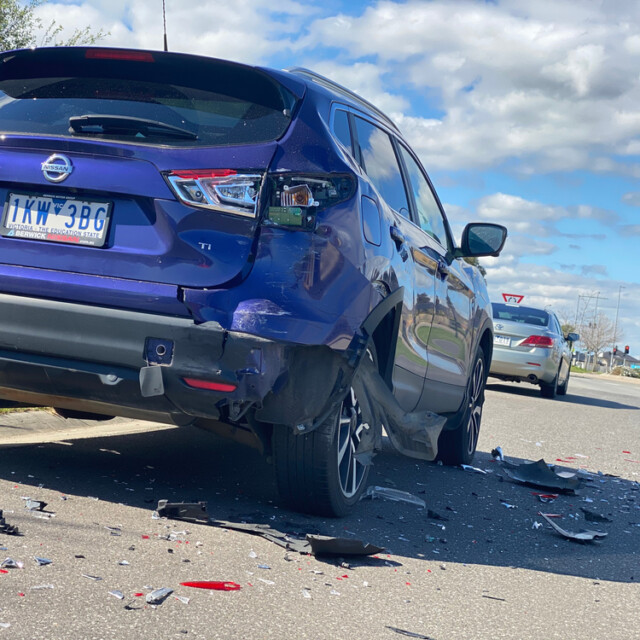
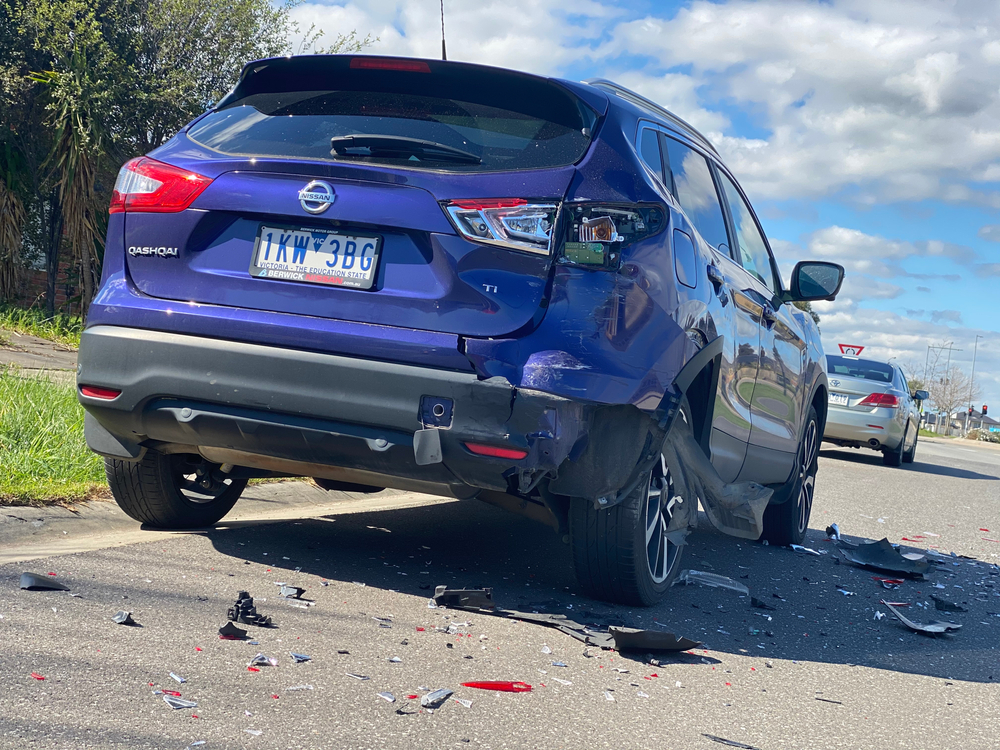
A damaged car can lead to another disagreement, especially if the repair shop’s estimate differs from the insurer’s assessment. In El Paso, the cost of parts, labor, and repairs may affect the amount under review. The insurer may also disagree about whether the vehicle can be repaired or should be treated as a total loss.
Keep photos of the damage, repair estimates, invoices, towing bills, and rental car receipts. These records may help explain the costs linked to the crash. If the insurer offers less than expected, ask how it reached that amount and which costs it included. The policy terms and available coverage will affect what may be paid.
What if the Insurer Says You Were at Fault?
A hit-and-run does not automatically settle every question about fault. An insurer may review whether your actions contributed to the crash or question how the collision occurred, particularly if the other driver has not been identified.
Evidence can help address these concerns. A police report may record the scene and statements from those involved, while photos and video footage may show vehicle positions or road conditions. Witness accounts may also help explain what happened. If the insurer gives a decision based on fault, review the reasons and compare them with the available records. Texas rules and the terms of your policy may affect how fault influences your claim.
What to Do When an Insurance Dispute Arises
If your hit-and-run claim in El Paso faces a delay or denial, start by reading the insurer’s written explanation and checking the policy terms. Keep your records together so you can find the information related to the dispute.
Useful documents include:
- The police report and any witness details.
- Photos, videos, repair estimates, and receipts.
- Medical records, bills, and proof of lost income.
- Letters, emails, and claim updates from the insurer.
You can ask the insurer to explain unclear decisions and describe any review or appeal process available. The Texas Department of Insurance also provides information about insurance complaints and consumer rights.
The Bottom Line
Insurance disputes after a hit-and-run in El Paso may involve coverage, medical costs, vehicle damage, or questions about fault. The facts of the crash and the wording of your policy both matter, so keep records that support your account and ask the insurer to explain its decisions. If you need help understanding a denial or disagreement after a hit-and-run accident in El Paso, reviewing your coverage and the reasons for the dispute can help you identify the questions that still need answers.


