
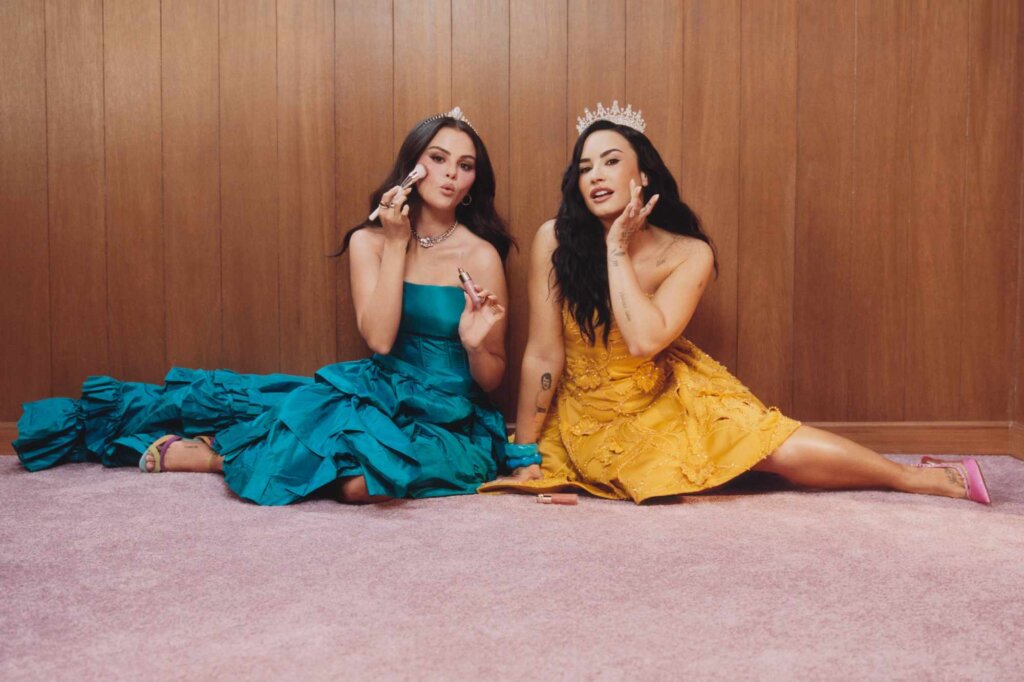
Source: Rare Beauty
Rare Beauty just brought back one of the internet’s favorite friendships. But behind the nostalgia, there’s a pretty smart business strategy every entrepreneur should pay attention to.
Remember Selena Gomez and Demi Lovato in their Disney Channel days? The matching energy, the old YouTube videos, Princess Protection Program? Well, they’re bringing back a little bit of that magic, but this time there’s a business idea behind it.
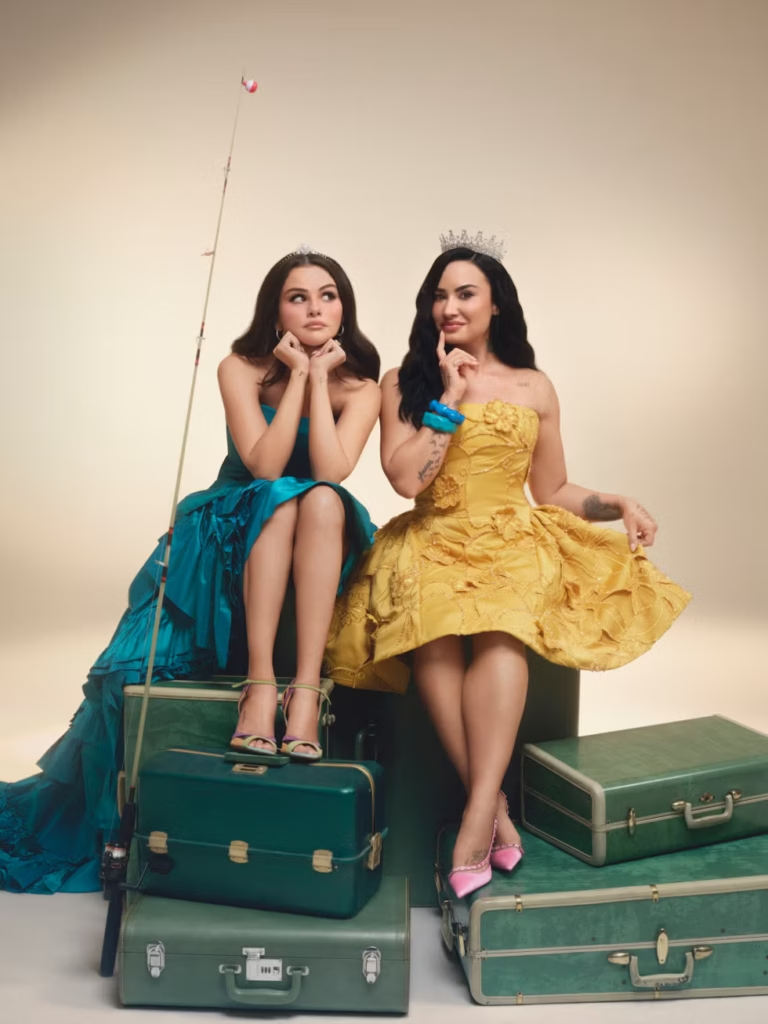
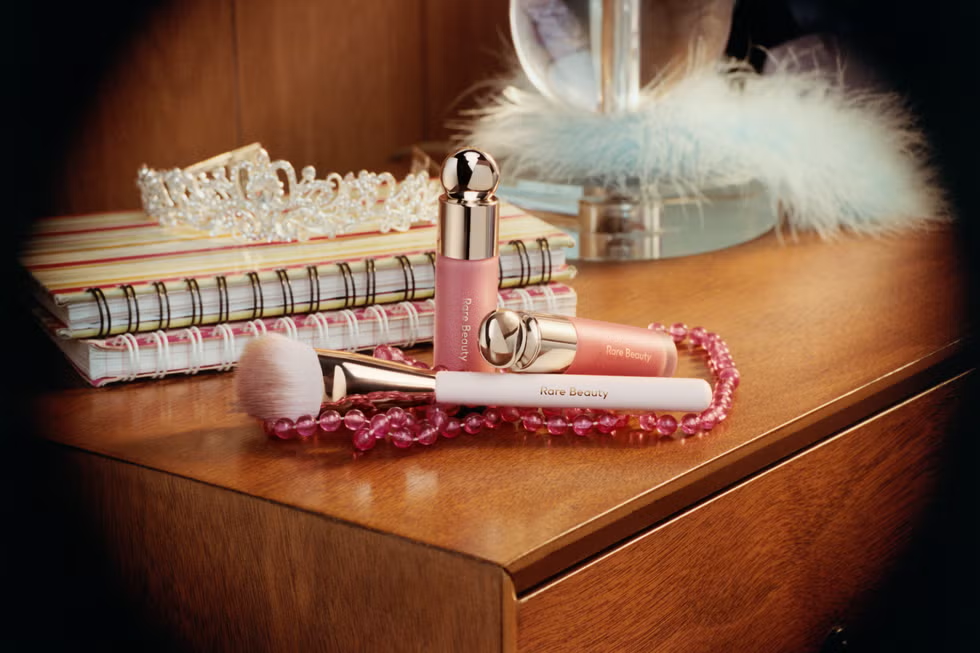
Selena and Demi have reunited for Rare Beauty’s new campaign, “Still Making Each Other Blush,” introducing a limited-edition blush bundle called Delena. The $50 set includes two shades of the brand’s famous Soft Pinch Liquid Blush, Hope and Virtue, plus a makeup brush.
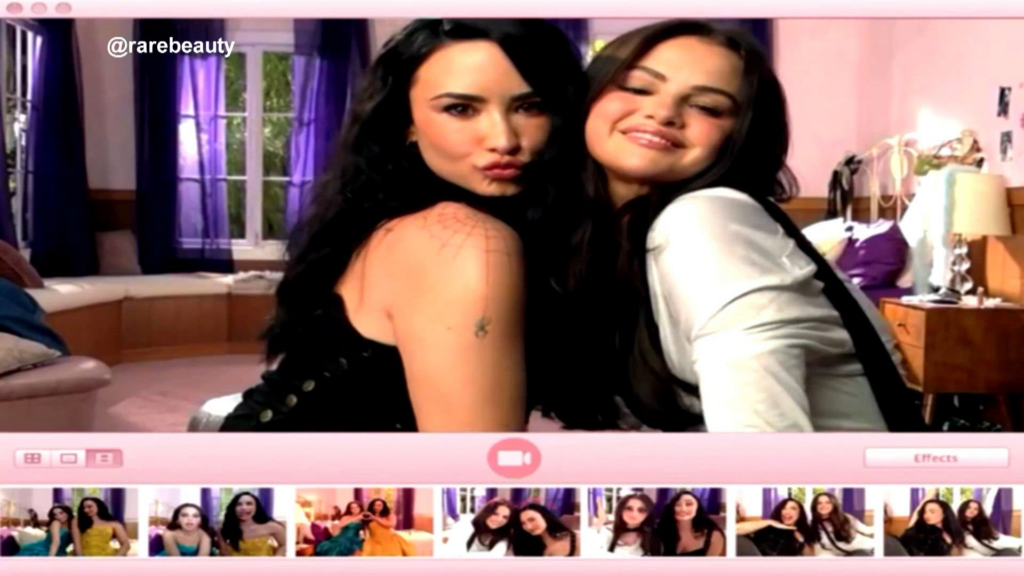
But here’s what’s interesting: Rare Beauty didn’t just put two celebrities together and ask them to promote a product. It brought back a friendship that an entire generation already remembers. The campaign recreates moments from their old YouTube videos and their 2009 Disney movie Princess Protection Program. It’s basically a nostalgic trip back to the 2000s, except now we have grown-up money to spend on makeup.
And that’s where the business lesson begins.
1. Build an Emotional Connection Before You Sell
Rare Beauty could have launched another blush collection with beautiful product photography. Instead, it brought together Selena Gomez and Demi Lovato, two people whose friendship already means something to millions of fans.
That’s the difference between selling a product and creating an emotional connection. Customers are more likely to remember a brand when it represents something they care about.
The business lesson: Don’t just ask what you’re selling. Ask what feeling, experience, or identity your brand gives people.
Your turn: The 3-Word Brand Test
Write down three emotions you want customers to associate with your business. For example: confidence, freedom, and creativity. Now look at your website, social media, packaging, and advertising. Do they communicate those three feelings? If not, identify one thing you can change this week.
2. Your Story Is a Business Asset
Look at Poppi co-founder Allison Ellsworth. When she shared her personal journey building the beverage brand on TikTok, people connected with the person behind the product. Her video went viral and reportedly generated $100,000 in Amazon sales overnight.
The lesson? People don’t always connect with a perfect advertisement. They connect with real people, real struggles, and a reason to believe in what you’re building.
Selena has also made her personal story and the mission behind Rare Beauty an important part of the brand.
The business lesson: Tell people why you started. Your origin story, challenges, and motivations can become some of your strongest marketing assets.
Your turn: The Founder Story Exercise
Set a timer for 10 minutes and answer these three questions: Why did I start this business? What problem was I trying to solve? What was the hardest moment I faced while building it? Turn your answers into a short 30-second video. Don’t overproduce it. Just tell your story.
3. Know Your Audience Better Than Your Competitors Do
The name Delena isn’t random. It’s the nickname fans created for Selena and Demi. Rare Beauty took something its community already recognized and turned it into part of the campaign.
That’s an example of understanding your customer beyond basic demographics. The brand knows what its audience remembers, what they talk about, and what makes them excited.
The business lesson: Listen to your customers. Pay attention to their conversations, habits, inside jokes, and feedback. Your next big idea might already be coming from them.
Your turn: The Customer Listening Exercise
Talk to five existing or potential customers. Ask them: What made you interested in my product? What almost stopped you from buying it? What would make you recommend it to a friend? Look for patterns in their answers. Those patterns can reveal opportunities for your next product, campaign, or improvement.
4. Choose Partnerships That Make Strategic Sense
A collaboration shouldn’t happen simply because two people are famous or have large followings. The best partnerships bring together audiences, values, or stories that naturally complement each other.
Selena and Demi have a shared history that makes this campaign feel relevant. Their reunion gives Rare Beauty access to a nostalgic audience while introducing the collaboration to people who may not have followed their friendship from the beginning.
The business lesson: Before partnering with another brand or creator, ask three questions: Do our audiences overlap? Do our values align? Does this collaboration create something neither of us could achieve as effectively alone?
Your turn: The Collaboration Map
Make a list of 10 brands, creators, or businesses that share your target audience but aren’t direct competitors. Choose your top three and write down what you could offer each other. It could be a joint product, an event, a social media campaign, or simply sharing audiences. Focus on what both sides gain.
5. Turn Attention Into a Business Opportunity
A viral moment is great, but attention alone doesn’t build a sustainable business. Rare Beauty connects the excitement around Selena and Demi’s reunion to an actual product: a limited-edition blush bundle with two shades and a brush.
The campaign gives people something to talk about, but also something concrete to purchase.
This is an important distinction. Views, likes, and comments are useful, but they aren’t the same as revenue, customer retention, or long-term brand growth.
The business lesson: Every marketing campaign should have a clear objective. Decide whether you want to increase awareness, generate sales, attract new customers, or encourage repeat purchases. Then build a way to measure whether it worked.
Your turn: The 30-Day Campaign Challenge
Choose one product or service you want to promote. Set one measurable goal for the next 30 days, such as 50 new leads, 20 purchases, or 100 email subscribers. Decide what content or promotion you’ll use to reach that goal, set a small budget if needed, and track your results every week. At the end of the month, evaluate what worked and what you would change.
The Bigger Picture
Rare Beauty’s campaign is a reminder that successful branding is about much more than making a beautiful product. It’s about understanding people, creating meaningful connections, and knowing how to turn those connections into business opportunities.
You don’t need Selena Gomez’s audience or a multimillion-dollar marketing budget to apply these ideas. You need to understand your customers, tell a story worth listening to, and give people a reason to care about what you’re building.
Because the strongest brands don’t just sell things. They build relationships that make people want to come back.


