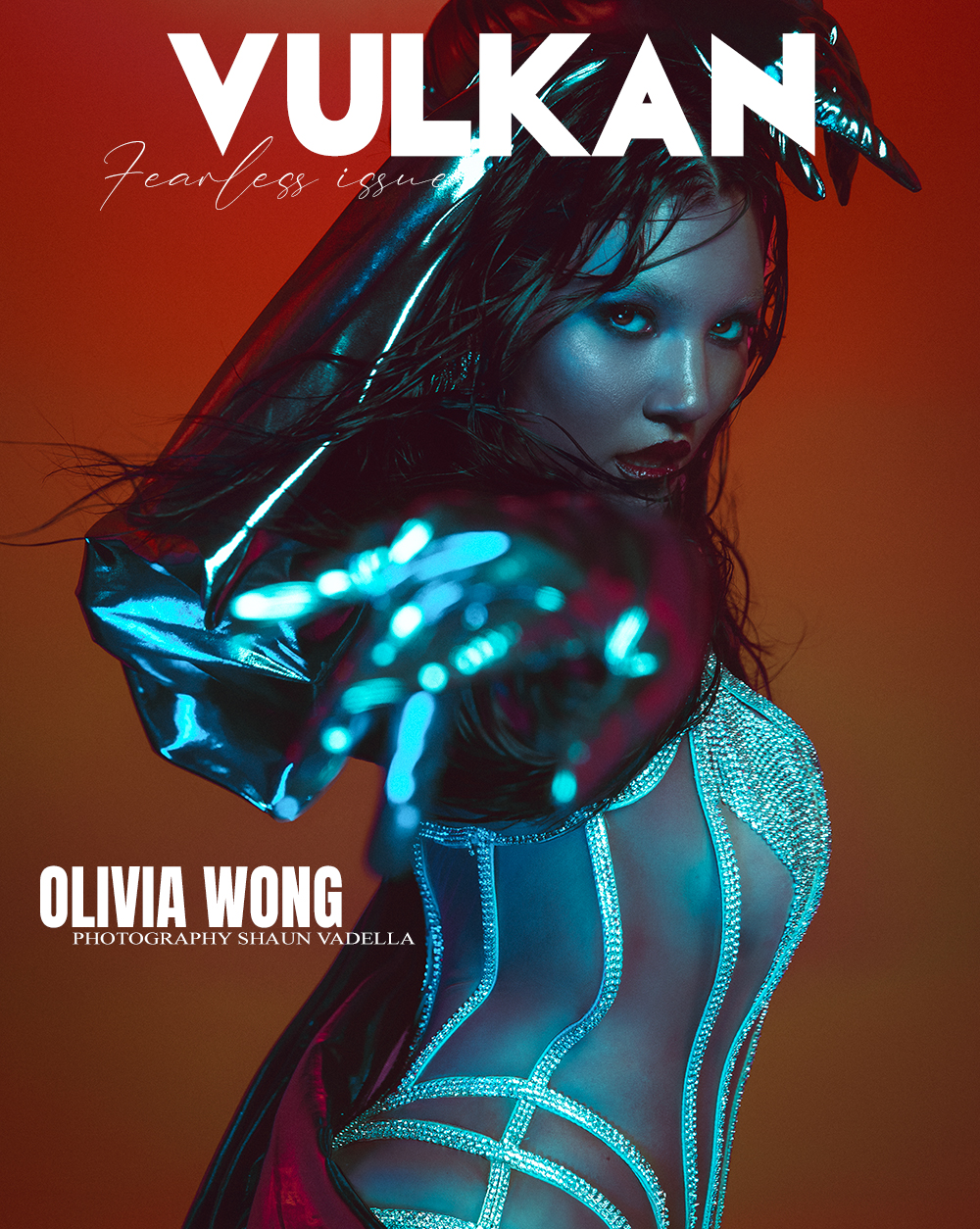
Photography Shaun Vadella @vadellaphoto Creative Direction Shaun Vadella @vadellaphoto Mariah Mills @mariahhair_ Vanessa Curry @vanessacurry Hair Design Mariah Mills @mariahhair_ Digital Media Producer Vanessa Curry @vanessacurry Producer Sierra Mack Makeup Hilary Montez @hilarymontez Hair Assistant Adriana Gonzalez @hairbyadrianag Videographer Cole Christopher @thecolechristopher
Wardrobe Provided by Julie Colquitt @juliecolquittart Adiba @adiba.official Burkinabae @burkinabae from Maison Privée @maisonpriveepr_la MarcoMarco @marcosquared Angel Brinks @angelbrinks
From New Orleans to Los Angeles — what was the biggest personal or artistic shift you experienced when you made that move, and how did it shape the artist you are today?
Moving from New Orleans to L.A. felt like stepping into a completely new rhythm. Growing up in Louisiana grounded me — morals, manners, heart, and soul — but L.A. taught me structure, professionalism, and how to turn emotion into execution. It pushed me to grow up fast, to hold my own in rooms I once only dreamed of entering. That mix of heart and hustle shaped me — I learned that art isn’t just about feeling, it’s about intention.
Graduating during the pandemic was a unique challenge for many creatives. How did that experience influence your approach to resilience, adaptability, and finding opportunity in uncertainty?
That time really shifted my perspective. I stopped focusing on what I couldn’t control and started asking, “What do I have access to right now?” Instead of waiting for the world to reopen, I poured into what I could — training, growing my social media, and essentially just focusing on becoming the best version of myself. That in turn is what aligned new work for me through the pandemic. That season showed me that consistency and curiosity can create opportunity anywhere.
You’ve shared the stage with some of the most iconic performers in the world — Christina Aguilera, JLO, Nicki Minaj, BLACKPINK, and more. What’s one behind-the-scenes moment that taught you something unforgettable about artistry or discipline?
Before joining BLACKPINK’s tour, I was actually a stand-in for Jisoo. That experience gave me a completely new perspective — I got to step into her shoes and really see what it takes to carry a show of that scale. There’s so much that happens behind the scenes — choreography, vocals, stamina, emotion — and they juggle it all while still connecting with thousands of people in the audience. Watching that up close and working with her taught me that artistry is endurance and presence combined. It’s about how you hold space, not just how you perform. That experience ultimately led to me joining the tour as a dancer, but more than that, it deepened my respect for what it means to lead with grace under pressure.
As both a performer and a movement director, how do you balance the freedom of expression with the precision and structure that choreography often requires?
For me, it always comes back to essence. Precision gives movement form, but essence gives it life. My job, whether I’m in front of the camera or behind it, is to make sure both exist in harmony. It’s one thing to hit a step or be told to, but another to feel it — and our job as artists is to make the ones watching experience that feeling too.
Your creative fingerprints are on projects for artists like LISA, Becky G, and Reneé Rapp. How do you translate an artist’s personality into movement — what’s your process for finding that “signature energy”?
Every artist has their own frequency, and my job is to tune into it. It’s really about listening more than directing — they already have their own artistry, and my purpose is to help refine what that looks like physically while making them feel confident doing it. I never want to put movement on someone; I want to pull out what’s already inside them. The goal is for it to feel like an extension of who they are, not choreography sitting on top. When that connection clicks, it’s effortless — like their energy just found a physical form.
Motion capture for film and TV is a fascinating extension of your work. How different is embodying a digital character from performing on a live stage?
Mocap is all about your body and emotion — there’s no audience, just you and the movement. I worked as a stand-in for Ejae in K-Pop Demon Hunters, and to become her, I had to study every nuance — her gestures, posture, even how her ponytail braid would swing when she moved certain ways. It taught me how performing from the inside out can carry a character in a way that’s completely felt.
You’ve been featured in campaigns for major brands like Nike and Champion. How do you see fashion and movement intersecting — do you approach modeling the way you approach dance?
Modeling is movement for me — it’s not static. I dance through my sets, and a shot has so much more energy when you move through it with feeling and intention. A shot reads with more authenticity when you’re truly feeling it. I always have a fire playlist on or request a specific artist to match the mood of the shoot — for this one, I had Doja Cat, ADÉLA, Charli XCX, and LISA on repeat. Channeling their bad bitch energy all the way.
Cosmopolitan called you one of “Instagram’s buzziest dance stars.” How has social media changed the way you connect with audiences, and what’s your philosophy on staying authentic in that space?
Social media has given me a way to connect with people everywhere, but it’s always worked best when I’m just being myself. I share everything — the wins, the struggles, the energy, behind-the-scenes moments — and I love collaborating with friends and people who inspire me. Bringing others into the process is what makes the journey real.
You’ve evolved from dancer to creative collaborator and movement director. Looking ahead, do you see yourself expanding even further into storytelling — perhaps through film, direction, or creative production?
I’ve always been drawn to storytelling, whether through dance or creative collaboration. Movement is just the starting point — it’s about building energy, mood, and narrative that people can feel. I’ve also gained experience with casting and production coordination, helping bring teams together and shaping projects from start to finish. Film, creative direction, choreography, and even acting feel like a natural next step for me to tell bigger stories.
Finally, when you look back at your journey so far — from college studios to Coachella stages — what does “success” mean to you now, and how has that definition evolved?
Success used to feel measured only by milestones — the big performances, the résumé, and recognition. Now it feels more like growth and alignment. Success now looks like being able to fly my parents out to Hong Kong to see me in my final show of my first world tour. It’s being celebrated in spaces with teams that make me feel respected. It’s growing with an artist from the bottom up and investing in the journey together.
This is where I’m at — success is about showing up fully, trusting the process, and cherishing the people and moments that make the work meaningful. Through it all, I’ve found myself and my voice, and that’s become the truest measure of success.