Front Row
Netflix Buys Radford, the Lot Where Seinfeld and Gilligan Got Their Start
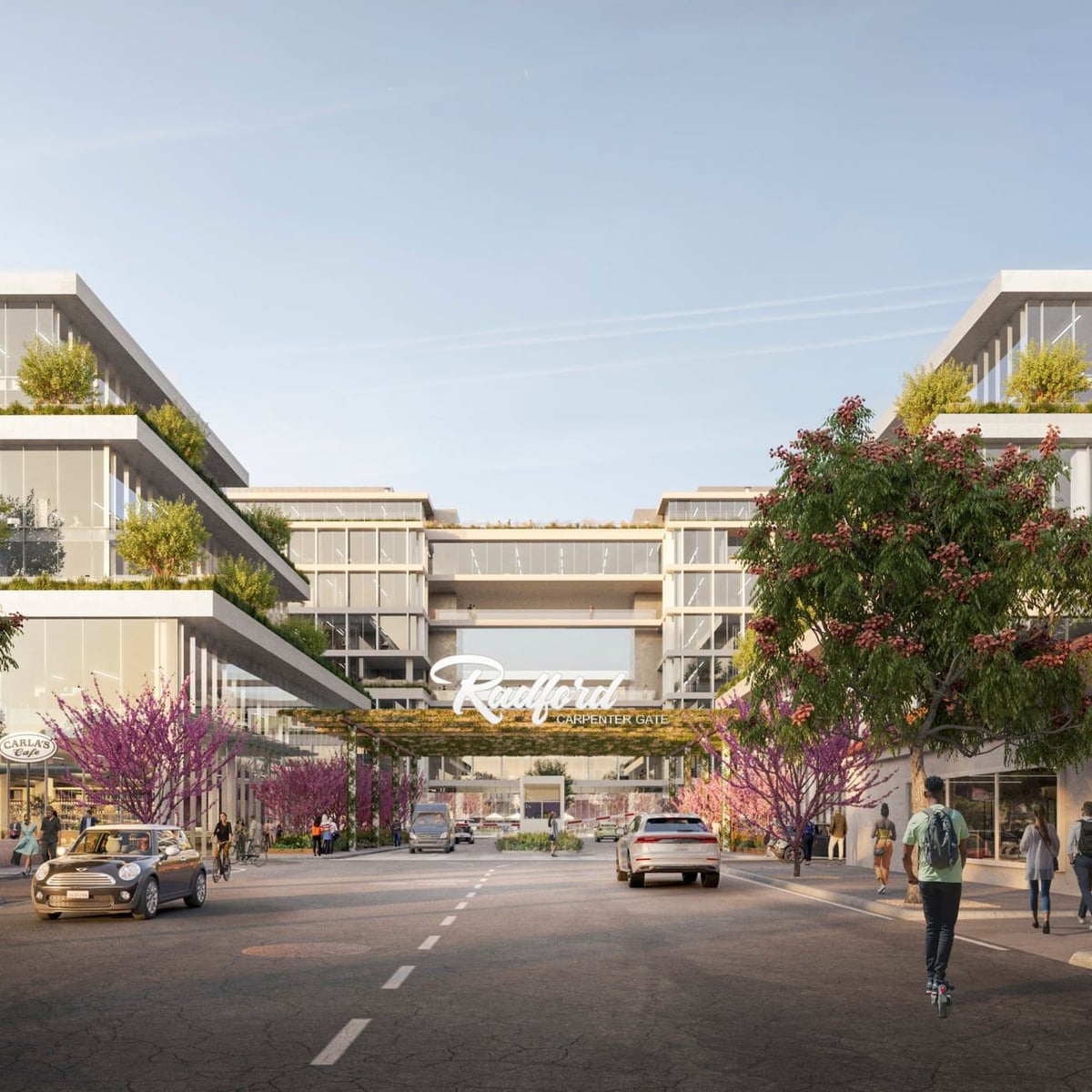
Netflix is purchasing Radford Studio Center, a Los Angeles lot that opened in 1928, and says it plans to keep the staff, the stages and the history intact.
A streaming company has just bought a piece of Hollywood that predates sound-era sitcoms, and it has promised not to change the locks. Netflix announced on 24 November that it is purchasing Radford Studio Center, the Los Angeles lot that opened in 1928, as the silent film era was winding down.
Even if the name means nothing to you, the output probably does. Radford has been home to Gunsmoke and Gilligan’s Island, The Mary Tyler Moore Show, Seinfeld and That ’70s Show, along with, as Netflix puts it, “many, many others.” That is close to a century of American television, filmed behind one set of gates.
A hometown purchase
Netflix is framing the deal as a homecoming of sorts. The company was founded in California and opened its first Los Angeles office more than two decades ago. Early favourites such as Grace and Frankie and GLOW filmed in the city. So did more recent titles including Nobody Wants This, The Lincoln Lawyer, The Rip and The Further Mis-Adventures of Cliff Booth.
The number that explains the logic is this one: more than 45 Netflix shows and movies are confirmed to film across L.A. this year alone. A company with that much work in one city has an obvious reason to own a place to put it. Owning a lot with its own history, rather than renting stage time wherever it opens up, is a statement about where Netflix expects to keep working.
The people running the place
Netflix is not planning to rebuild Radford from scratch. It has engaged ZVantage, the entertainment advisory division of Zello, to support the transition through its operating platform, Backlot Studio Services. Cinelease will act as the production equipment provider on the lot, which Netflix says will further improve the infrastructure and services available to productions.
The stated aims are practical and a little reassuring. Netflix wants to maintain operational continuity, retain the existing studio team and strengthen Radford’s position as a premier production destination. In plain terms, the crews who already know where everything is will still be there on Monday morning, and the lot will keep working as a lot.
That matters because a studio is only partly real estate. It is also the grips who know which stage has the quirky door, the schedulers who juggle five productions at once and the people who keep the equipment trucks moving. Keeping the team in place is a way of buying the knowledge along with the buildings.

Looking to Sacramento and City Hall
Netflix is open about the fact that the deal is a beginning rather than a finish line. “There’s still a long way to go,” the company says, adding that it is hopeful that, with the partnership of the State of California and the City of Los Angeles, this will be the start of a meaningful new investment in California’s film industry.
That line is worth reading closely. Production has a way of moving to wherever the economics and the incentives look best, and Los Angeles has spent years making the case for itself. A big streamer planting a flag on a historic lot, and inviting state and city officials to build alongside it, gives that case a fresh exhibit.
There’s a nice symmetry to it, too. Radford opened when movies were about to learn to talk. It then became a place where television found its voice, from westerns to a sitcom about nothing. Now the company that reshaped how those shows get watched is taking over the keys.
Netflix closes its announcement with a simple line: “This city is home to us.” It also says it is excited to keep finding ways to entertain the world while supporting the writers, builders, electricians, drivers, designers and talent who make L.A. what it is. For a lot built in 1928, that’s a familiar job description: give the people who make the shows a good place to make them.
Via Netflix