Front Row
Geneva’s $39.8 Million Jewellery Night Shows Where the Money Is Going

Sotheby's Geneva High Jewelry sale made $39.8 million, led by an 8.63-carat pink diamond. Colour, history and a signature on the clasp did the heavy lifting.
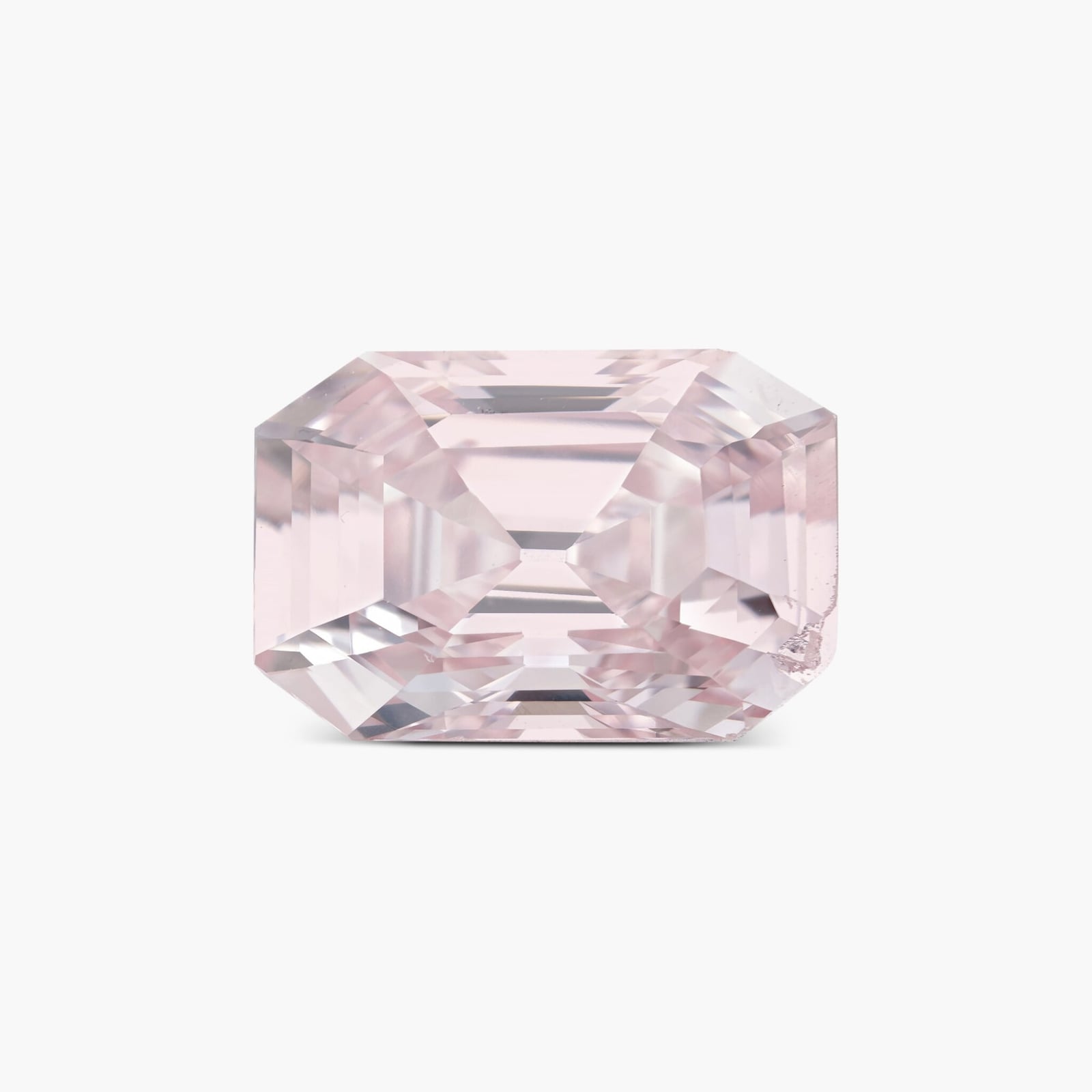
Two pink diamonds went under the hammer in Geneva within 48 hours, and together they fetched more than $20 million. The second of them, an 8.63-carat Fancy Intense Pink, closed Sotheby’s Geneva High Jewelry sale on 12 November at CHF 4.5 million ($5.5 million). The whole evening totalled CHF 32.6 million, or $39.8 million.
The headline stone is only part of the story. Read the numbers around it and you get a fairly clear picture of what serious jewellery buyers want right now.
A room that wanted to bid
According to Sotheby’s, 94% of lots found a buyer, and 49% sold above their high estimates. Each lot drew more than 11 bids on average. The bidders came from everywhere: Switzerland and the United Kingdom led in Europe, with what Sotheby’s described as fierce competition from the United States, Asia and the Middle East.
Sotheby’s puts the strength down to sustained demand for rare coloured diamonds and gemstones. It also points to spirited bidding on jewels with exquisite design, craftsmanship and historical weight, especially pieces from storied maisons. Early twentieth-century jewels, Art Deco creations by Cartier among them, reached dramatic prices well above their estimates.
That is a useful clue about taste. A signed, period piece has a story that can’t be reproduced. A stone with a colour this rare doesn’t come around often either.
Pink holds its nerve
Tobias Kormind, managing director and co-founder of 77 Diamonds, sees the Geneva week as a bright spot. “Two days, two pink diamonds, more than $20 million,” he said. “Geneva has delivered a striking counterpoint to the gloom surrounding the wider diamond market.” The other stone in that pairing was Christie’s 24-carat Bulgari Pink, which made $14.8 million.
The market around it is changing. The Gemological Institute of America reports that lab-grown stones now account for over half of global diamond jewellery sales by value. They also make up over half of the diamond engagement rings sold by volume in the United States. Kormind’s reading is that, “despite economic uncertainty and mounting pressure from lab-grown competition”, the rarest natural coloured diamonds “remain in a league of their own.”
He also noted that the appetite ran beyond diamonds: “Exceptional colored gemstones and historic signed jewelry attracted fierce bidding.” Then came his sharpest observation. Both headline pinks sold within their estimates. That points, he said, to “a buoyant but discerning market, where buyers are prepared to pay extraordinary sums without abandoning price discipline.”
In other words, collectors are enthusiastic but keeping their heads. The unmounted Fancy Intense Pink in the same sale, estimated at CHF 3.3 to 5 million, went for CHF 3.6 million. That is a healthy price, comfortably inside the range.
The catwalk got there first
The turn to colour in the saleroom echoes what happened on the runway. For Autumn/Winter 2026, colour ran through many shows, Chanel and Dior included, and it reached the accessories and jewellery.
At Chanel, Matthieu Blazy looked to nature through saturated colour and opalescent finishes. Some accessories used resin jewellery and artificially tinted mother-of-pearl, and the palette moved from red and pink to yellow, green and blue. At Dior, Jonathan Anderson brought in floral references and sculptural embellishment. Some of the jewellery was inspired by the water lilies in the Jardin des Tuileries. Anderson described his starting point as “the constant flow of ideas that is so typical of Parisian life, and the spectacle of the everyday.”
Fashion houses make colour feel wearable, and auction houses show what it is worth when nature makes it rare. The two now seem to be working in the same direction.
What collectors paid for in Geneva was individuality, rarity and craftsmanship. A pink diamond is the loudest example, but the Art Deco Cartier pieces that sailed past their estimates make the same point more quietly. People still pay generously for things that are hard to find, beautifully made and clearly someone’s own idea. They just prefer to do it with a firm grip on the paddle.
Via Forbes