Front Row
Follow the Money: What the 2026 Beauty Inc Awards Reveal
Marc Jacobs Beauty takes Launch of the Year, Rhode heads for a billion, and a $1.2 billion gummy deal shows where investors are placing their bets.
Marc Jacobs went five years without a makeup line, then came back with one that looks like a bunch of jellybean-coloured Mylar balloons. WWD has named it Launch of the Year at the 2026 Beauty Inc Awards, and the winners’ list around it works as a fairly accurate map of where beauty’s money is moving.
A comeback with a licence to print attention
The backstory matters. Jacobs launched a makeup brand with Kendo in 2013 and it quickly became a cult favourite. In 2021 the licensing agreement expired and the line closed. Now he is back with a new licensee, Coty, which also makes his Daisy fragrances. The relaunch is exclusive to Sephora and runs to seven essentials across eyes, lips and face.
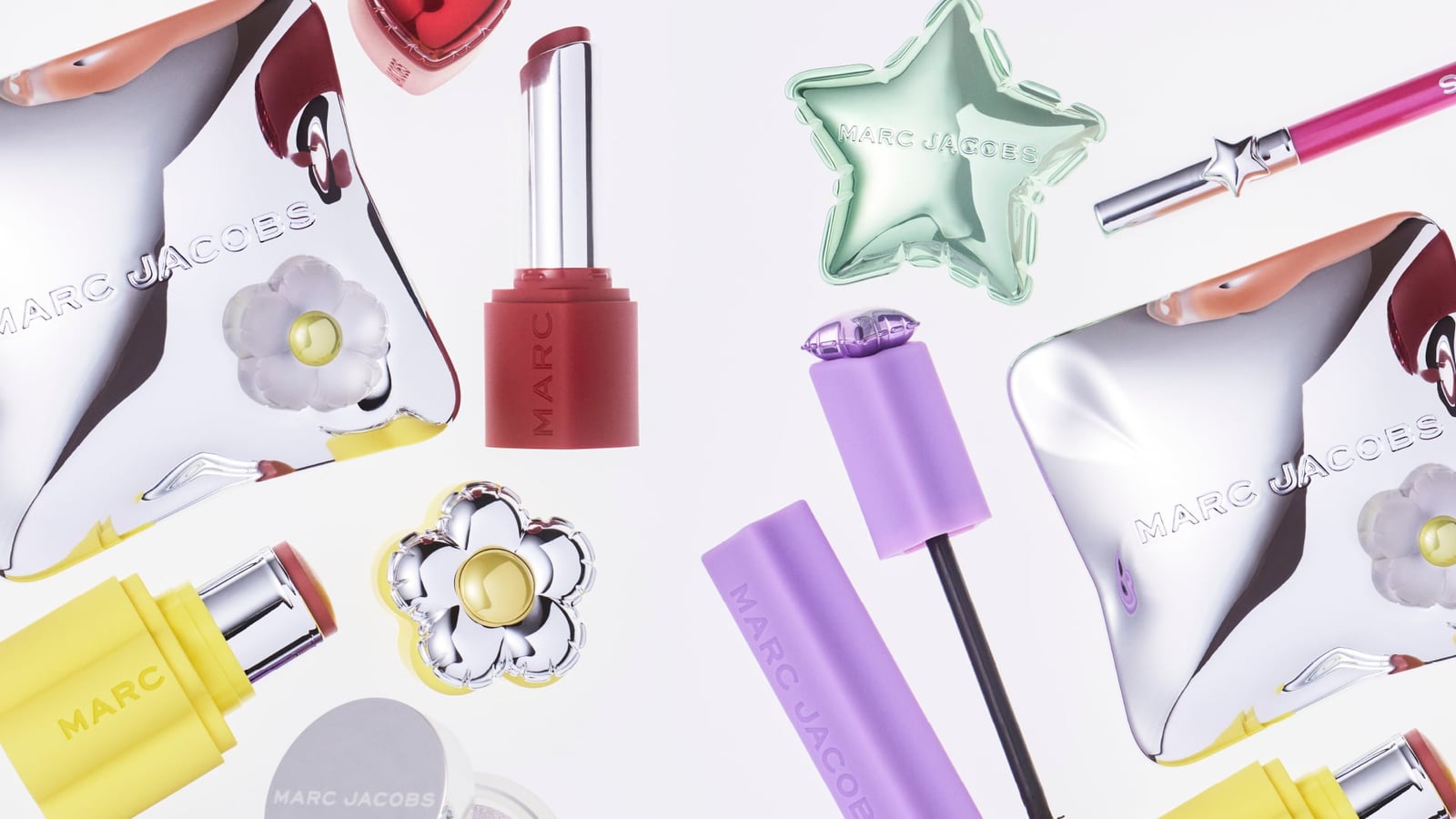
Coty’s Jean Holzman called it “a maximalist manifesto in the minimalism era,” and shoppers appear to have agreed, pushing up both sales and social media mentions. Jacobs, for his part, sounds like a man enjoying himself. “I love going down the rabbit hole of watching tutorials and seeing all these different makeup artists and people who are makeup fanatics, and how they use makeup and express themselves through it,” he told WWD. He sees a parallel with fashion, and the packaging suggests he means it.
The business lesson is neat. In a category crowded with launches, a recognisable designer name, an established licensing partner and a single retail home add up to a launch that gets noticed on day one.
Rhode and the arithmetic of a billion
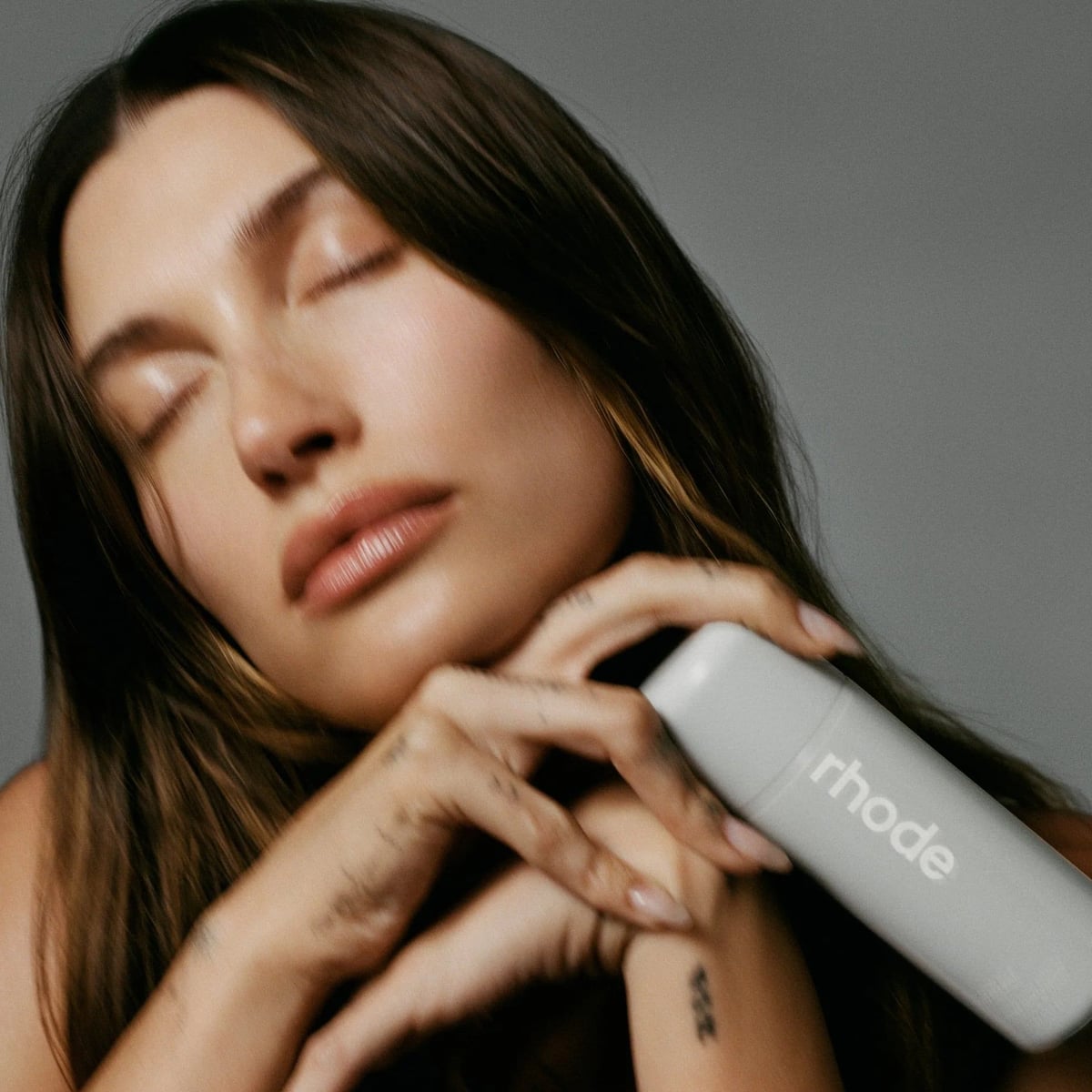
If Marc Jacobs shows how to restart, Rhode shows how to scale. Hailey Bieber’s brand is already the top seller at Sephora in the U.S., U.K. and Canada. Its Mecca debut in Australia became the retailer’s biggest launch ever, drawing more than 1 million people over opening weekend. That helped E.l.f. record 80 percent growth for Rhode in fiscal 2026, taking the brand past $500 million in global sales.
Then came Europe. In September, Rhode opened in 19 new markets through more than 500 Sephora doors, with the Champs-Élysées flagship turned into a full Rhode environment. Colour has done plenty of the lifting lately: the Pocket range of blush, bronzer and illuminators, and the Peptide Lip Shape liner.
It has been a year since the billion-dollar sale to E.l.f. Beauty, and Rhode has another round number in sight: becoming the fastest beauty brand to pass $1 billion in net sales. CEO Nick Vlahos said in October, “We’re pacing very well to meet that goal. There’s a lot of opportunity ahead of us.”
Sephora, named Retailer of the Year, is the other half of that story. It brought MAC into 100 stand-alone doors and 850 Sephora at Kohl’s locations, launched an app inside ChatGPT, and began curating Olive Young collections for 500 U.S. stores. It also entered TikTok Shop and signed a partnership with Marks and Spencer that will open 100 U.K. locations in 2027.

The quiet cash is in capsules
Look away from the lipstick, though, and the biggest cheques are going somewhere else. Unilever’s $1.2 billion purchase of Grüns took Deal of the Year. WWD reads it as a clear signal that vitamins, minerals and supplements are the hot commodity in the capital markets, while colour cosmetics continue to languish. Four months later, Procter & Gamble announced it was buying Thorne for $3.8 billion. Unilever already owns Liquid I.V., which passed $1 billion in sales five years after the acquisition. Grüns, the top supplement brand on Amazon, says it ships 10 million gummies a day.
Cymbiotika, Brand of the Year in wellness, sits right on the border between the two worlds. The liposomal supplement label finished 2025 with more than $150 million in retail sales, entered Ulta Beauty in March and Walmart in October. Its investors include Kendall Jenner, Hailey Bieber and The Weeknd, with Alix Earle added in August. It is also moving deeper into beauty with a Liposomal Beauty Peptide Complex for skin, hair and nails.
Value, science and the long game
Not every winner is a high-wattage launch. Cosnova, led by CEO of the Year Christina Oster-Daum, reached $1.12 billion in net sales in 2025. It opened 2026 by promising not to raise prices, despite tariff-driven markups elsewhere. Its Essence brand arrived at Walmart in the U.S. and sells a $5 Lash Princess Mascara every three seconds there, in a makeup category that has otherwise slowed.
At the other end of the price scale, Lancôme took Breakthrough Innovation for Absolue MD Longevity, backed by 15 years of research and more than $50 million in investment. “Longevity is a frontier of radical scientific progress, and we believe that will shape the future of beauty,” said global president Vania Lacascade.
Elsewhere, Prequel is on track for $100 million in sales this year, Mikayla Nogueira’s Point of View raised a $15 million series A and entered Sephora, and Kilian Paris is the fastest-growing brand in the Estée Lauder portfolio while fragrance climbed 20 percent in the group’s latest quarter.
Put it together and the pattern is clear. Investors are paying top prices for supplements, shoppers are rewarding makeup with a strong identity, and the retailers that can put both in front of a global audience are collecting on each.
Via WWD