WHAT'S HOT
The Interiors of Chance: How Casino Architecture Influenced Luxury Hotel Design
Written By Catalin Constantin
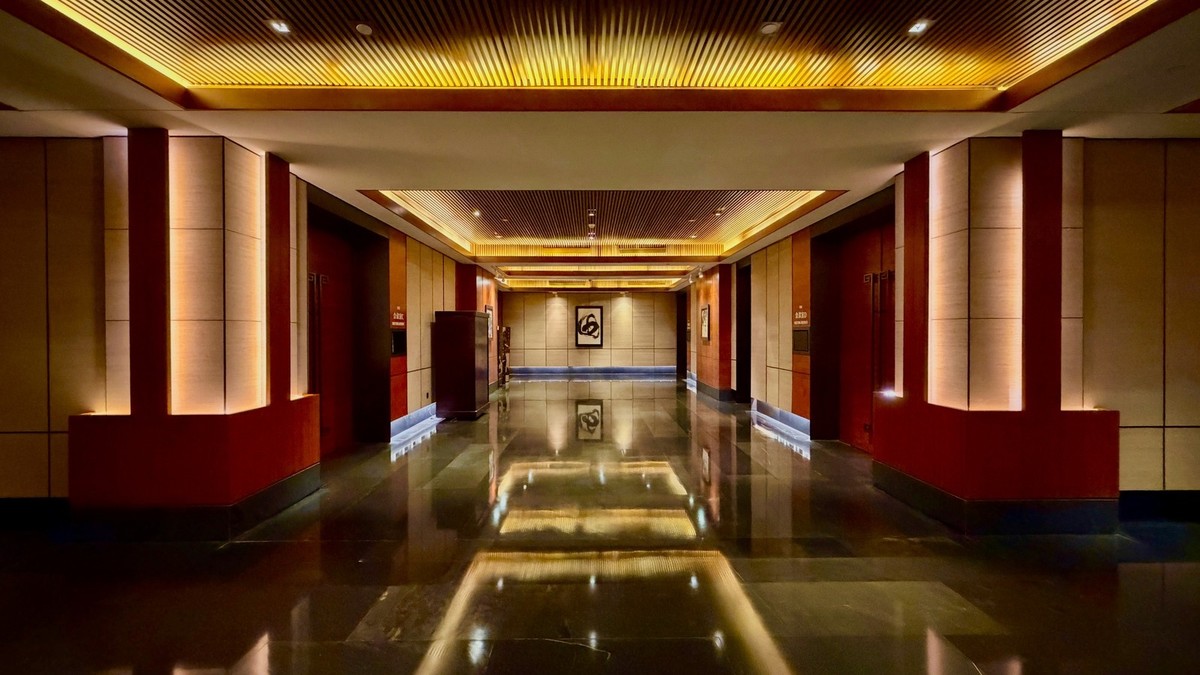
Walk into a great hotel lobby and something tugs at you. The light is soft. The ceiling sits at just the right height. Nobody hurries you, yet you slow down anyway. Funny thing is, casinos tested and polished that feeling long before boutique hotels got the credit.
Monte Carlo wrote the first script
Monte Carlo set the blueprint. Its gaming halls were never pitched as casual fun, and travelers still go for the scenery, the food and the atmosphere without placing a single bet. That’s a neat trick. The building did the selling, and the gambling became a side dish.
Look at how the place is laid out. The casino holds historic rooms tied to Charles Garnier, while Hôtel de Paris keeps Belle Époque luxury right beside Place du Casino. Marble, gilt and grand staircases weren’t decoration. They were a promise: you belong here, so stay a while.
Vegas turned the volume up
Then came the spectacle era. Bellagio, designed by Jerde and opened in 1998, took its cue from Lake Como. Guests wander under painted ceilings, past canal-side walkways and luxury shops. It’s less a hotel than a stage set you get to live in.
Hoteliers noticed. The grand arrival, the long sightline to a fountain, the lobby as theatre: all of it spread. Marina Bay Sands pushed the idea further. Its connected towers tie hotel, gaming, shopping, dining and culture into one destination, so it feels like a vertical city. One roof, many reasons to linger.
That pull of a well-staged entrance now reaches the screen, too. Betinia NJ, for one, goes the Vegas route, with neon colors that light up the page the way a casino floor glows after dark. The first click already puts you under the marquee. Same old promise of the grand arrival, just louder and without the marble underfoot.
The sneaky science of feeling good
Here’s the part most guests never spot. Casino architecture leans on the senses, and lighting, acoustics, ceiling height, texture and colour all shape the mood. Nothing is random. A low ceiling makes a bar feel private. Warm light flatters skin. Soft carpet swallows noise.
Hotels borrowed the playbook wholesale. Some of the newest ideas keep coming from casino-hotels, too. Circadian lighting shifts color temperature through the day to match natural human rhythms. Ever wonder why a hotel bar at 7 p.m. looks as if it’s stuck in golden hour? Now you know.
The maze is out, the lounge is in
Casinos now copy the boutique hotels that once copied them. Gun Lake Casino Resort in Michigan added a luxury spa, a swim-up bar, a 16-story hotel and a glass atrium that floods the lobby with sunlight. Picture that lobby at noon. It feels more like a resort in the Algarve than a place built around slot machines.
The money talks too. Designers at HBG point out that hotel design directly influences gaming behavior. A nicer room keeps a guest on property, and a guest on property spends. With construction costs climbing, every square foot of a hotel or casino resort has to deliver measurable value. So lobbies now do double duty as cafés, lounges and event spaces. No corridor gets to sit empty anymore.
Same trick, smaller screen
The funniest legacy might be digital. Online casinos borrowed the same logic: clean layouts, one clear path forward, no clutter fighting for your eyes. Industry watchers argue that the landmark buildings of luxury casino travel gave way to clean, branded interfaces online. Same promise, new room. Make the guest feel looked after, and let the clock fade into the background.
What the lobby is really telling you
So what did casino architecture really hand to luxury hotels? Not marble or chandeliers, though they helped. It taught designers that a space can steer feelings. That pacing matters. That a good entrance is half the stay.
Next time you check in somewhere lovely, pause for a second. Look up at the lighting. Notice where your feet want to go. Chances are someone planned every step, and that plan has roots in a gaming hall in Monaco and a lake-inspired lobby in the Nevada desert. Pretty neat for a business built on luck, isn’t it?