Front Row
Tove Styrke
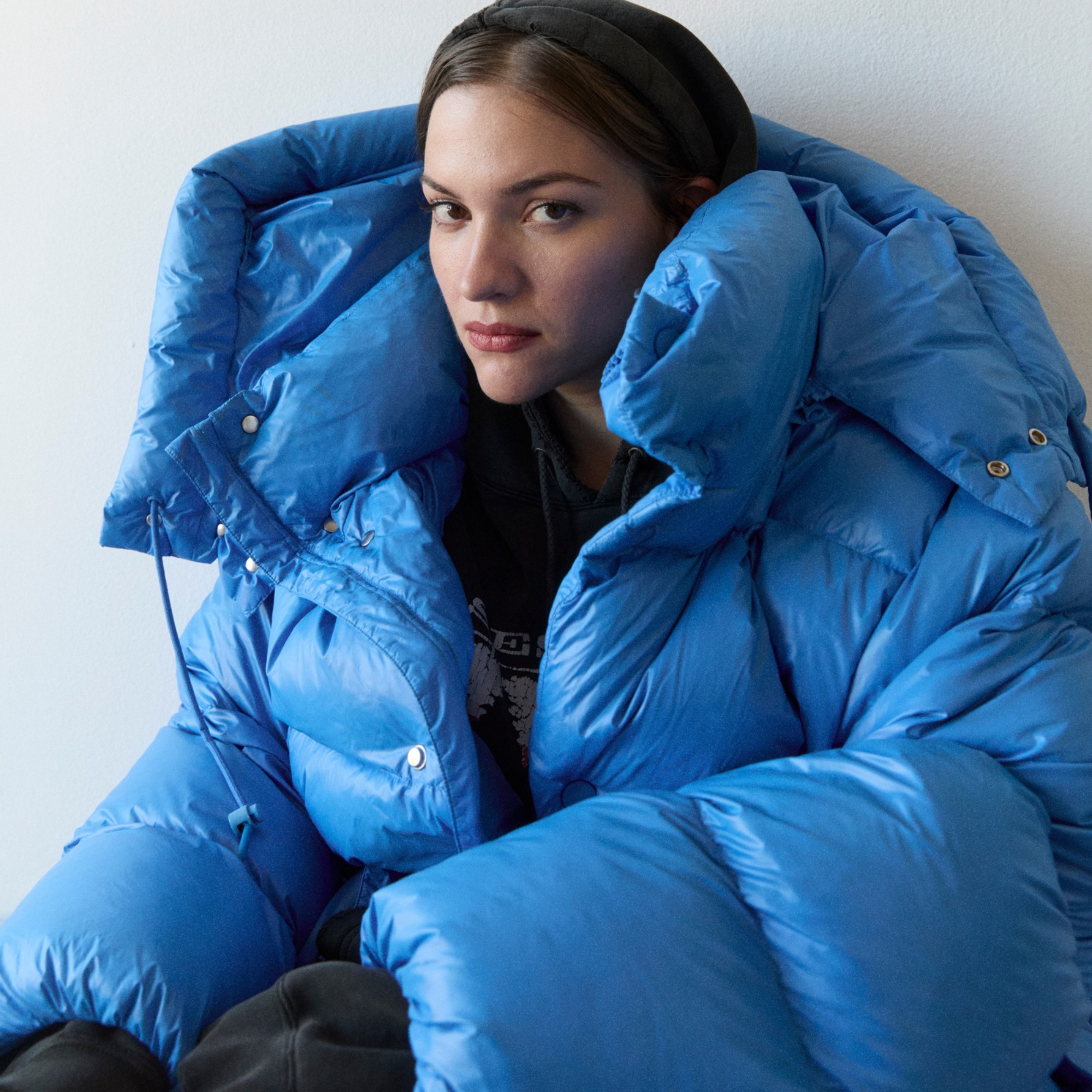
INTERVIEW BY: Adrienne Strand
There’s always more to a song than what we hear. For Tove Styrke, her latest album, I Thought This Story Wasn’t About Me, became an unexpected journey into her own life. What began as a cinematic story of a girl moving through the night slowly turned into something much more intimate. In conversation with Adrienne Strand, the Swedish singer opens up about music, motherhood, personal style and the art of finding inspiration in the unexpected.
Adrienne: Your new album was just released. How do you feel?
Tove: Light at heart. I can’t believe the day is finally here when I get to share the whole album with the world. It’s been part of my life for a long time now, and it’s been a tumultuous year for me as I’ve been releasing this music. The record is so personal to me. All of this has been completely intertwined with my own life on an emotional level. It’s a relief to finally let go of it completely and hand it over to its audience.
A: When you started writing the album it was called The Afterparty, but you’ve since changed it to I Thought This Story Wasn’t About Me. What made you realize that this was an observation of yourself and not someone else? Why do you think you didn’t recognize yourself in the story initially?
T: I made it my mission with this album to ban all rational thinking from the creative process. I wanted to work more intuitively, be more present in the moment and just capture these ideas organically. I didn’t want to think too much, just do, without the limiting interference of logic. This has been really interesting because it’s led me to a place where the music continues to reveal its true nature, even to me. It shifts over time, it’s flexible and alive. I love that.
When I started releasing the songs, it soon became evident that the core of this project was something different from what I had initially thought. I’m so wrapped up in these songs emotionally in a way I’ve never experienced before. I think it was difficult for me to recognise myself because I’m so uncomfortable with looking at myself. I’ve spent my entire life running from myself like it’s a sport. This album is part of a bigger process for me where I’m unlearning this behaviour.
A: A few months back you mentioned on your YouTube channel that you approached the album like a movie score, and that each song is like its own movie scene following a girl throughout the night. Now knowing that the story became increasingly personal, how has that original image evolved throughout the creation of the album? Did it change your relationship with the songs?
T: The image didn’t change; it just became more pronounced as the perspective shifted. My perspective on the music changed quite a bit, though. What initially didn’t feel personal turned out to be deeply personal. That’s why releasing the songs from this album throughout the past year has been so overwhelming and challenging for me on a personal level.
A: There’s a beautiful sense of space and presence in these songs, and it seems you have a very visual connection with the music. You’re also a co-producer on this album. How do you go about translating that imagery into sound?
T: Thank you. Images excite me and trigger my impulse to create, and my first language when I create is music. So I worship the image I see, keeping my inner eye fixed on it as I try to translate it, enhance it and show it to the world through music.
When it comes to making the music, I talk and talk and talk. I describe the images, the mood, what I want the sounds to be, how I want them to move. I use all the words I have to explain what I’m after to Magnus Larsson, who has been my invaluable partner throughout this whole record. Then he uses all of his intuition and knowledge about music to interpret what I’ve said, and we go back and forth until it’s the right thing. It’s like a conversation. He often has really valuable input as well, which can change my initial thinking.
A: Has your relationship with the production side of music changed over the years? Do you feel like you’ve become more confident in translating your ideas into sound?
T: I’ve gained a better understanding of what it is I’m doing in the room, and therefore I’ve become better at it. I don’t know shit about the technical side of things, but I have a great ear, a well-developed personal taste and a strong inner compass. You can make really bad music with a lot of technical skills and no taste, and you can make incredible music with no technical skills and great taste.
I do, however, wish I were more interested in engineering because it seems like a lot of fun, but my mind just doesn’t want to go there. It doesn’t stick. Like math and economics. It’s like my brain was dipped in repellent to that kind of information. Sadly, haha.
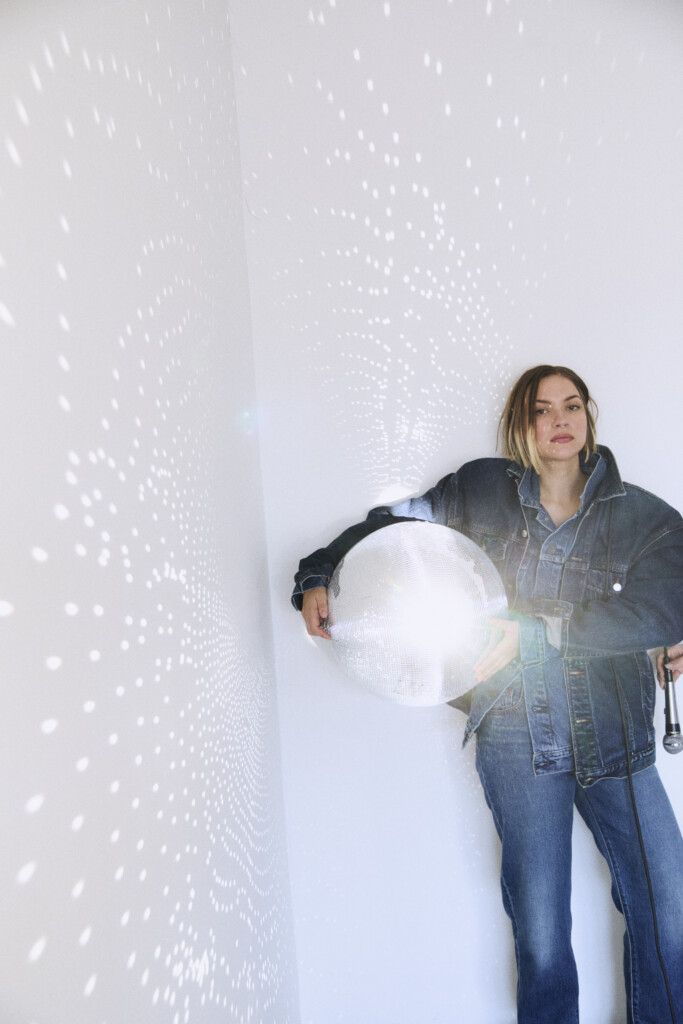
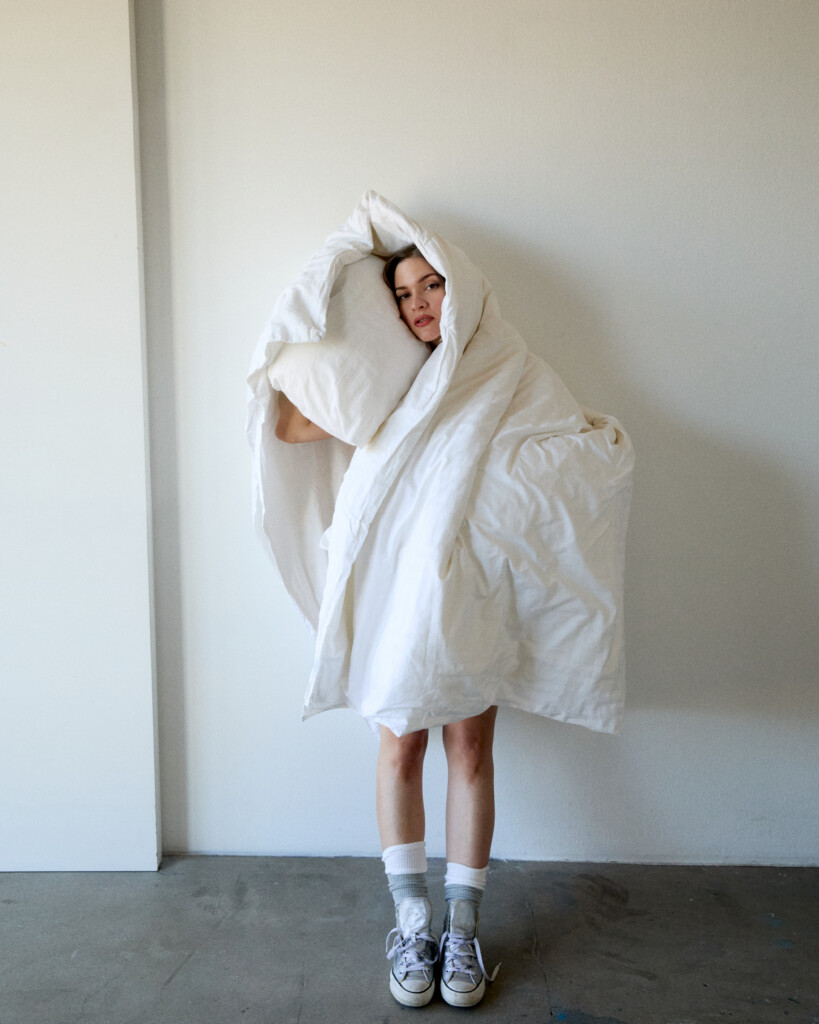
A: Later this month you’ll also be performing the album live for the first time. Having built such a visual world around this album, how does that translate into the live experience? Can we expect to see some of that imagery on stage?
T: I just finished rehearsals for this! I’m so excited and nervous about this performance at the same time. It’s a pretty special setup for this particular show, and right now I feel like it could go either way and be either brilliant or catastrophic. Either outcome is fine, as long as it’s not boring.
I’ve carefully selected this venue because it fits the narrative so well. It’s in an old abandoned heating plant that hasn’t been used since the ’60s. Now we’re transforming it into an amphitheatre with no stage, just a concrete floor, and the audience will be sitting on the floor, close to me and the musicians. It’s the same room where we shot the video for “Look at Me”.
The whole show is focused around I Thought This Story Wasn’t About Me, so it’s very conceptual. If I were to describe it visually, I’d say what we’re going for here is epic minimalism.
There’s nothing I hate more right now on a stage than a big, flashy LED screen filled with “content”. They distract you from the live performance, which is what we’re there for, right? They don’t look good in every setting. Stage lights can be stunning and mind-blowing on their own. Did we forget that? Sorry for ranting! Can’t contain myself.
A: Listening to the singles from the album, “Sunflower” and “Prayer” stood out to me. “I turn to you like a sunflower turns to the sun” is such a simple yet impactful line. Are there any lyrics from the album that feel especially meaningful to you?
T: Thank you, I like that one too. It’s for my daughter. She’s my sun that I’ll always turn to.
“Ah ah ah ah (there it is again)” is an important one to me. I’m not first and foremost a lyricist, I just write what feels and sounds right. But I feel like that one captures the struggle with yourself that a lot of this project is about. The ups and downs. The resistance and denial.
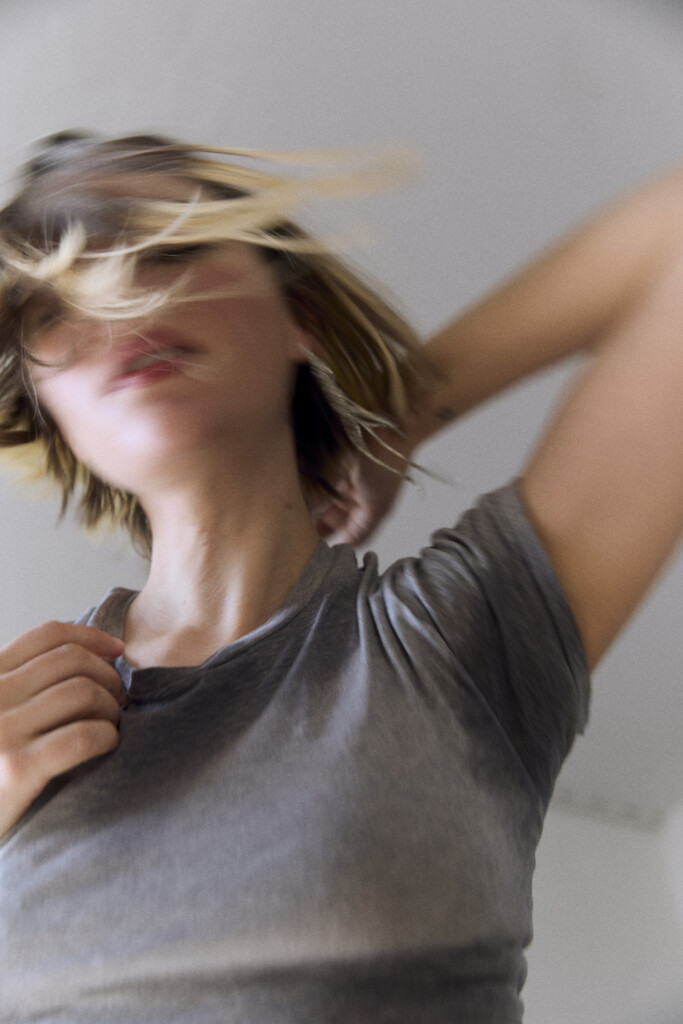
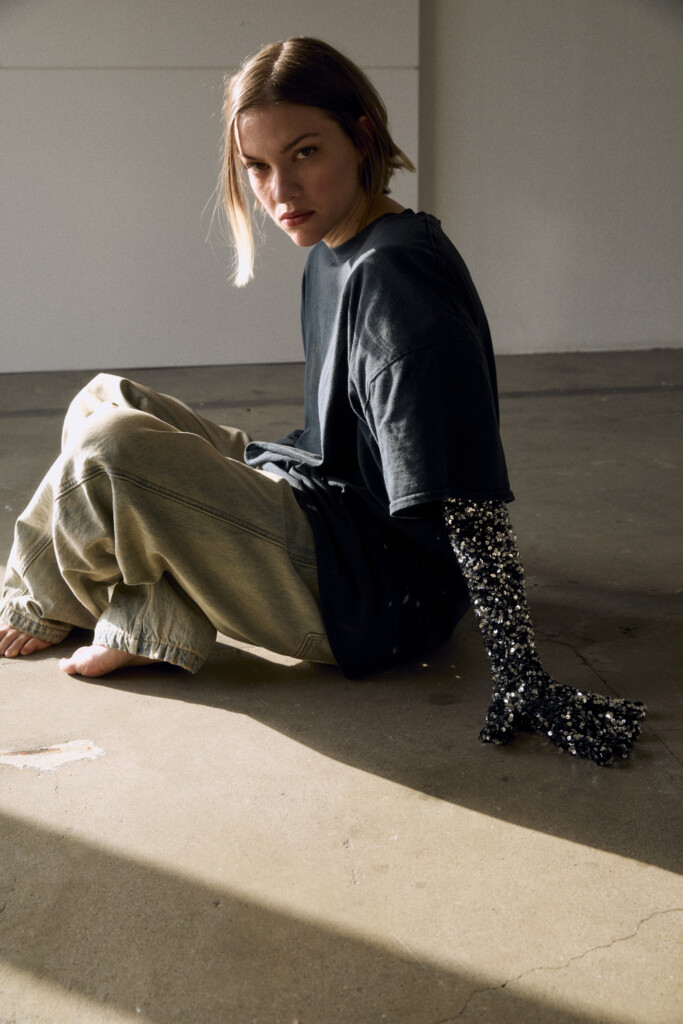
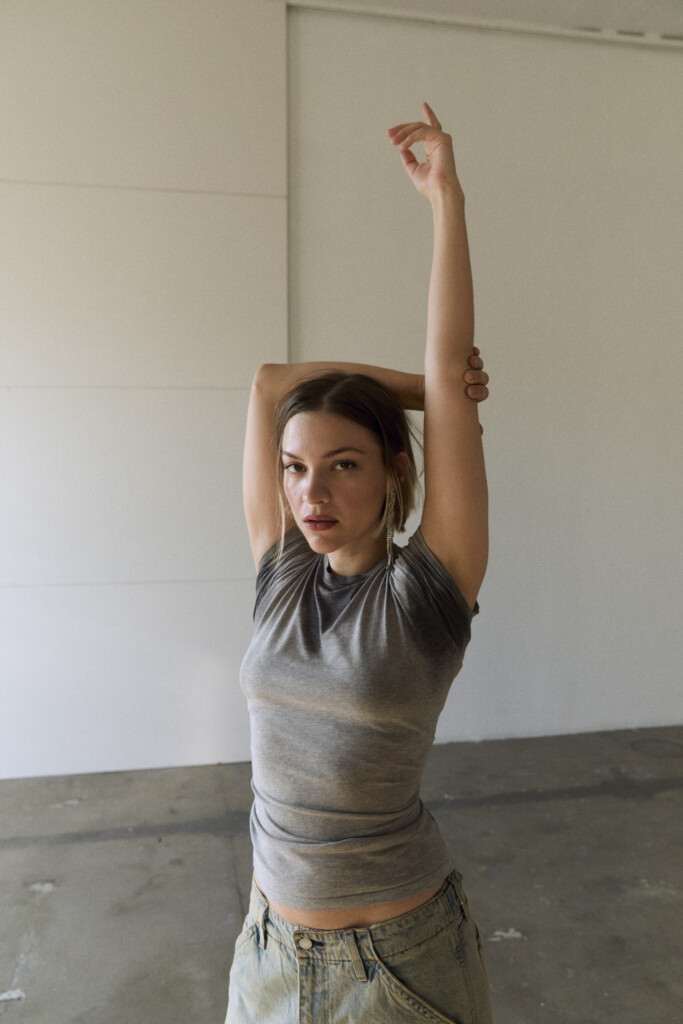
A: You’ve spoken about some personal and professional changes in the past few years, such as becoming a mother, studying to become a biodynamic gardener, performing in David Bowie’s Lazarus, and creating a band with your partner called Året var. You seem to have explored quite a few different sides of yourself creatively. How has exploring these different sides impacted your approach to music?
T: It’s been like pouring fuel on a fire. There’s nothing better for your creativity than creating. The more you do, the more you do. And cross-pollinating between different practices lets the different parts of your brain rest while still allowing you to express yourself creatively.
I highly encourage everyone to go out and explore, and do, and create as much as they possibly can. You never know what new thing something will unlock inside you.
Being immersed in theatre for six months while working on Lazarus made it clearer to me what I love about performance. Reconnecting with nature inspired a lot of the themes behind the music on this album. Becoming a mother made me more fearless as an artist. Writing political music taught me to be more honest when I speak in interviews, which helps people better understand the work I do.
A: How would you describe your personal style in everyday life, and how does it compare to the fashion choices you make as a musician, whether on stage or in your music videos?
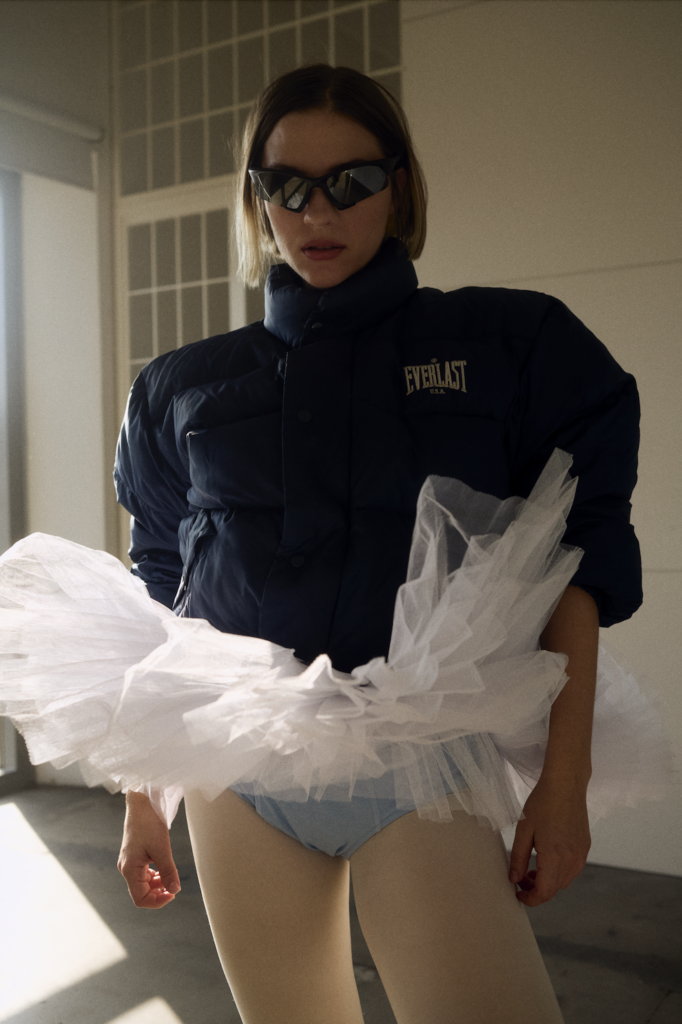
T: My dear friend, creative director and stylist Natalie Olenheim says that I dress like a child. She says that it’s a good quality. That it often looks a little naive, with some piece of clothing that doesn’t really fit the rest of the look. I can see what she means. I think there’s a part of me that just always wants to go the unexpected route.
My personal style is not that different from what I wear in videos and on stage. What I love about working with Natalie is that she is really good at creating heightened versions of my personal style. It’s just adapted to fit the scale.
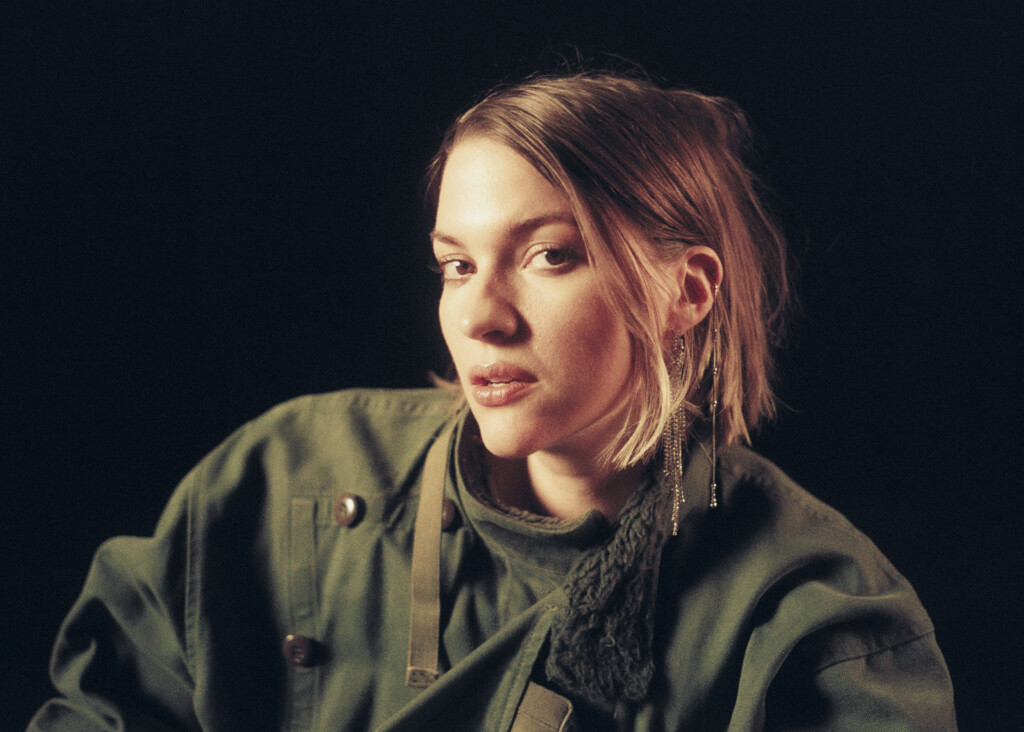
A: What is it like writing and singing in both English and Swedish? Do you feel like you’re connecting with different parts of yourself depending on the language?
T: English is the language of rock ’n’ roll. It fits really well with most of the music I make. It sings well, and it’s not as awkward as Swedish can be. Swedish is brilliant for humour, relatability and unexpected hooks. So they’re different tools for communicating in different ways, I’d say.
A: It’s been almost 17 years since we saw you on Idol. How has your definition of success changed along the way? What does it mean to you now?
T: Measurable success today is often fiction. Real success is what you find within yourself and within the process itself. My way of looking at it has always been that success is achieving the goals that you set out for yourself. No one else can ever decide or know if you’re successful or not.
A: What else is coming up in your life that you’re excited about?
T: Christmas, man!!! Ready to make some gravlax and relax so I’m ready to put everything I have into this new chapter in 2027. See you on the other side!