Front Row
A $2 Billion Week: Inside New York’s November Auctions
Four houses, a stack of single-owner collections and two paintings with nine-figure ambitions. Here's where the money is expected to land in New York this month.
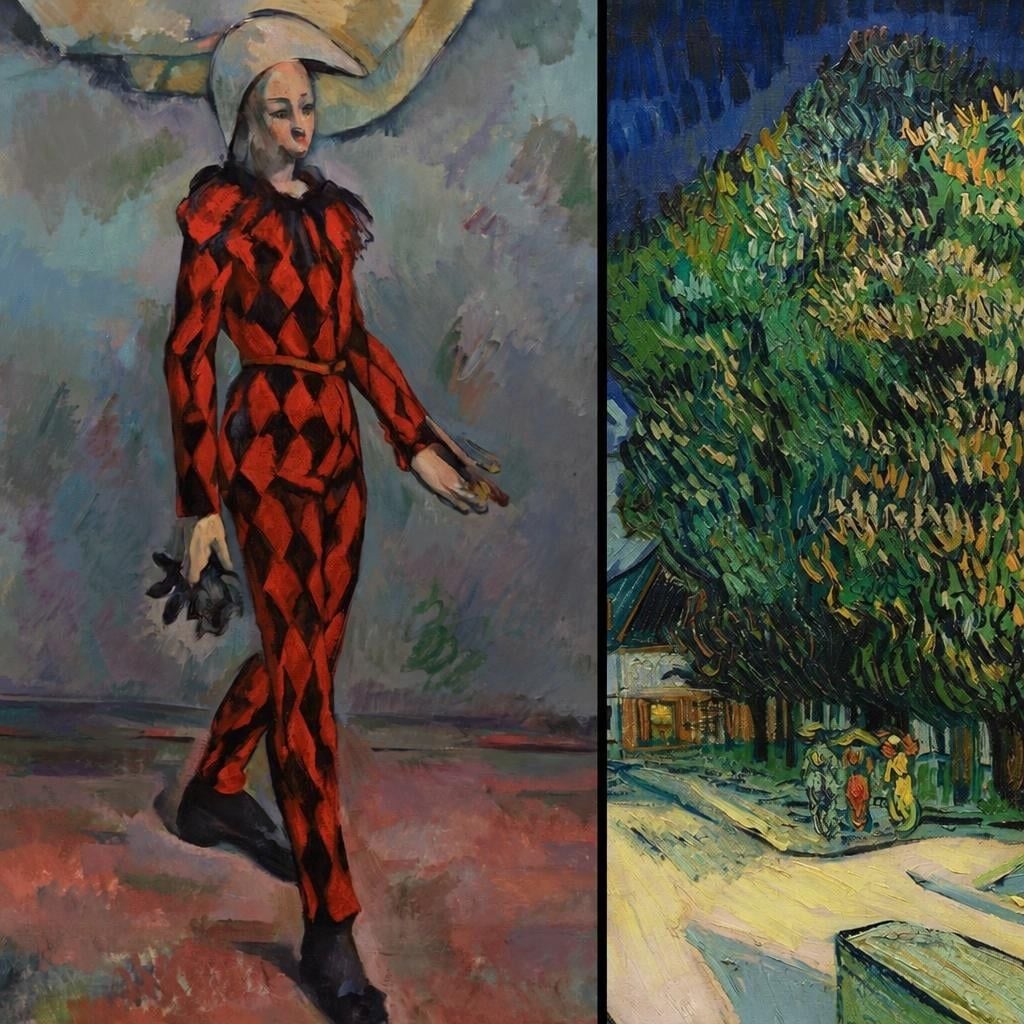
Vincent van Gogh’s Blossoming Chestnut Trees is guaranteed to sell for more than any Van Gogh ever has, and that is only the opening bid in a New York auction week that Sotheby’s, Christie’s, Phillips and Bonhams expect to be worth at least $2.04bn, and possibly more than $2.4bn.
The top of that range sits slightly above last year’s estimates for the same stretch. The houses have reasons for the swagger. An ArtTactic report this year found that global sales at Christie’s, Sotheby’s and Phillips rose 70% year on year in the first half of 2026, helped by the pull of single-owner collections and major estates. New York’s May sales were strong too. November is where the houses are leaning on that formula hardest.
Why a collector’s name moves the market
A single-owner sale does a neat trick. It turns a regular seasonal auction into an event, with a marketing campaign built around the person who hung the pictures as well as the pictures themselves. “The market is very much moved by these collections,” says Allegra Bettini, Sotheby’s head of Modern evening auction. “Collectors today like to understand a narrative and see where works are coming from to understand the taste of how they all hung together.”
Sotheby’s has the most to gain. Its collective estimate tops $1.1bn, which would be a house record for a marquee sale season. About 40% of that rests on one group: the Blaquier-Arrieta collection, 12 Impressionist, Post-Impressionist and Fauvist paintings assembled by the Argentine sugar magnate Carlos Pedro Blaquier and his wife, María Elena “Nelly” Arrieta de Blaquier. Fully guaranteed and expected to bring around $450m, it is the highest-value single-owner collection in the city this season. The couple’s five children are the consignors, and the sale takes place on 18 November, with Sotheby’s multiple-owner Modern evening sale following straight after.
The two nine-figure lots
Two paintings from that collection carry the headline numbers. Van Gogh’s Blossoming Chestnut Trees (1890), one of the last works he painted in Auvers-sur-Oise before his death, is estimated at around $180m. The current Van Gogh record is $117m including fees, set by Orchard with Cypresses (1888) at the Paul Allen sale at Christie’s New York in 2022. With the guarantee in place, that record is going to fall.
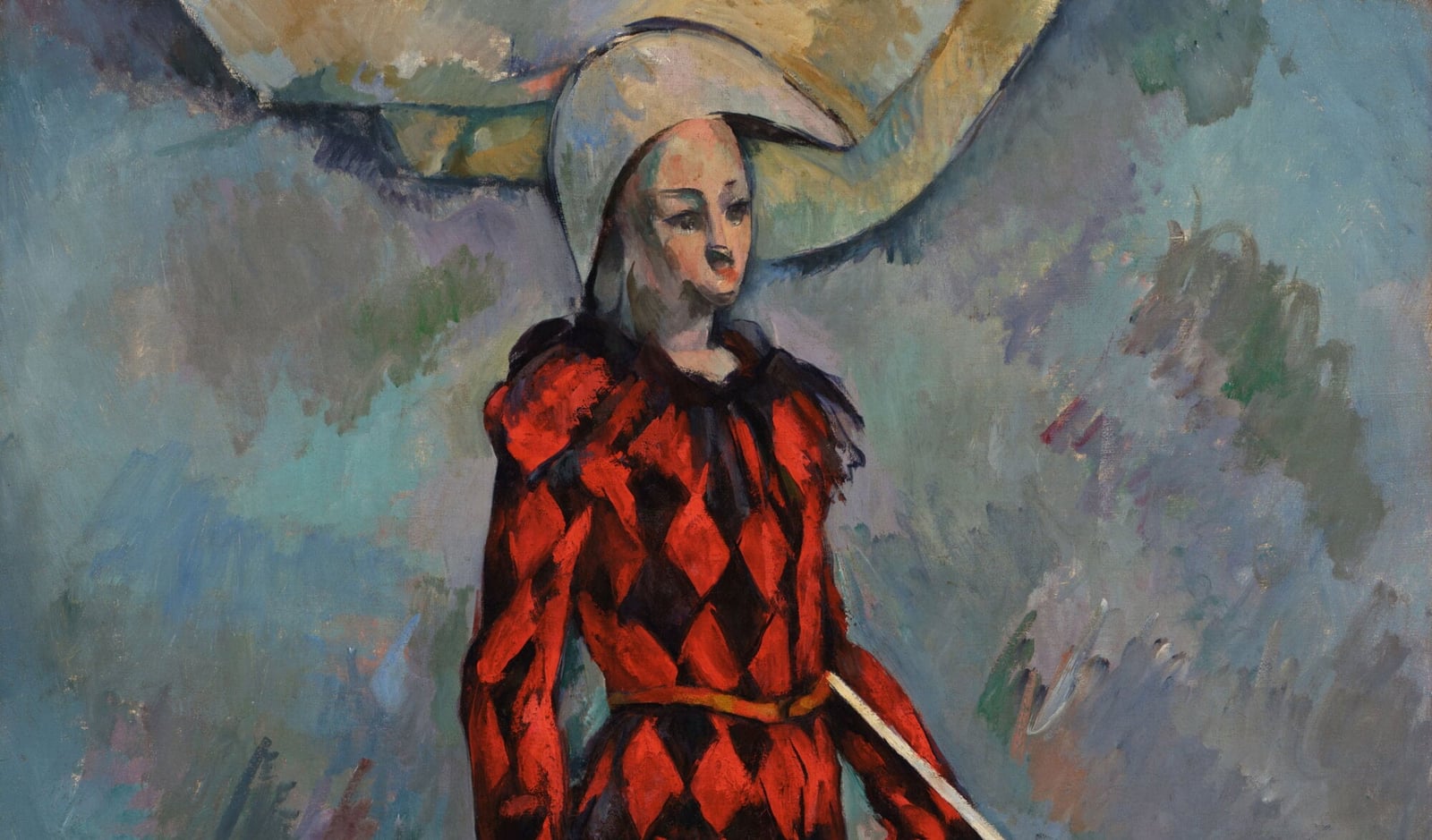
Paul Cezanne’s Arlequin (1888–90) is estimated around $120m. Sotheby’s says it is the only painting from Cezanne’s harlequin series still in private hands. The Cezanne record, $137.79m, also comes from the Allen sales, so that one has a higher bar to clear.
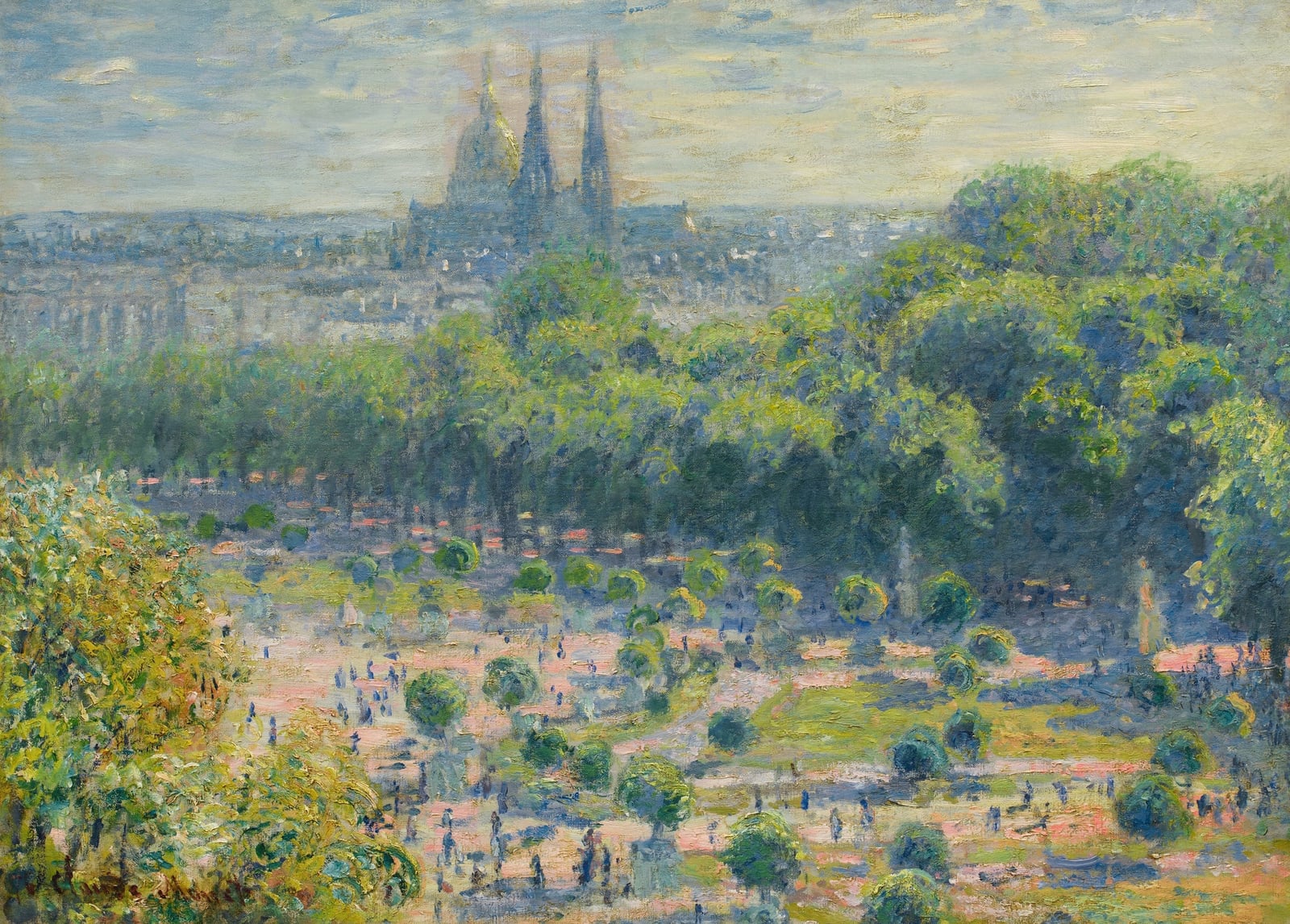
Part of the appeal is scarcity. The works were bought mostly in the 1960s and 70s in Europe, when collectors could still buy museum-quality pieces by Modern masters from commercial galleries. Sotheby’s specialists say that’s no longer possible, even with a seven-figure budget. The family rarely, if ever, lent the works for public display, and few of the 12 had been seen publicly or offered on the market in decades before they went on view at the Breuer Building.
Sotheby’s will also offer works from the collections of oil tycoon Armand Hammer, Seattle developer Richard Hedreen and his wife Elizabeth, and cable television pioneer Theodore Baum and his wife Ruth.
Christie’s, Phillips and Bonhams
Christie’s projects between $823m and $1.1bn. Its top lot is Wassily Kandinsky’s Betonte Ecken (1922–23), from his Bauhaus period, estimated at $60m to $80m in the 20th-century evening sale on 17 November. It once belonged to the Guggenheim collection. The current owners, reportedly the Nahmad family, bought it at Sotheby’s in 1986. Gustav Klimt’s landscape Litzlbergkeller (1915–16) carries the same estimate in the same sale. It was once part of the collection of Serge Sabarsky, the dealer who co-founded the Neue Galerie. The 21st-century evening sale is led by an untitled 1983 Basquiat that references a Leonardo da Vinci drawing, estimated at $30m to $50m.
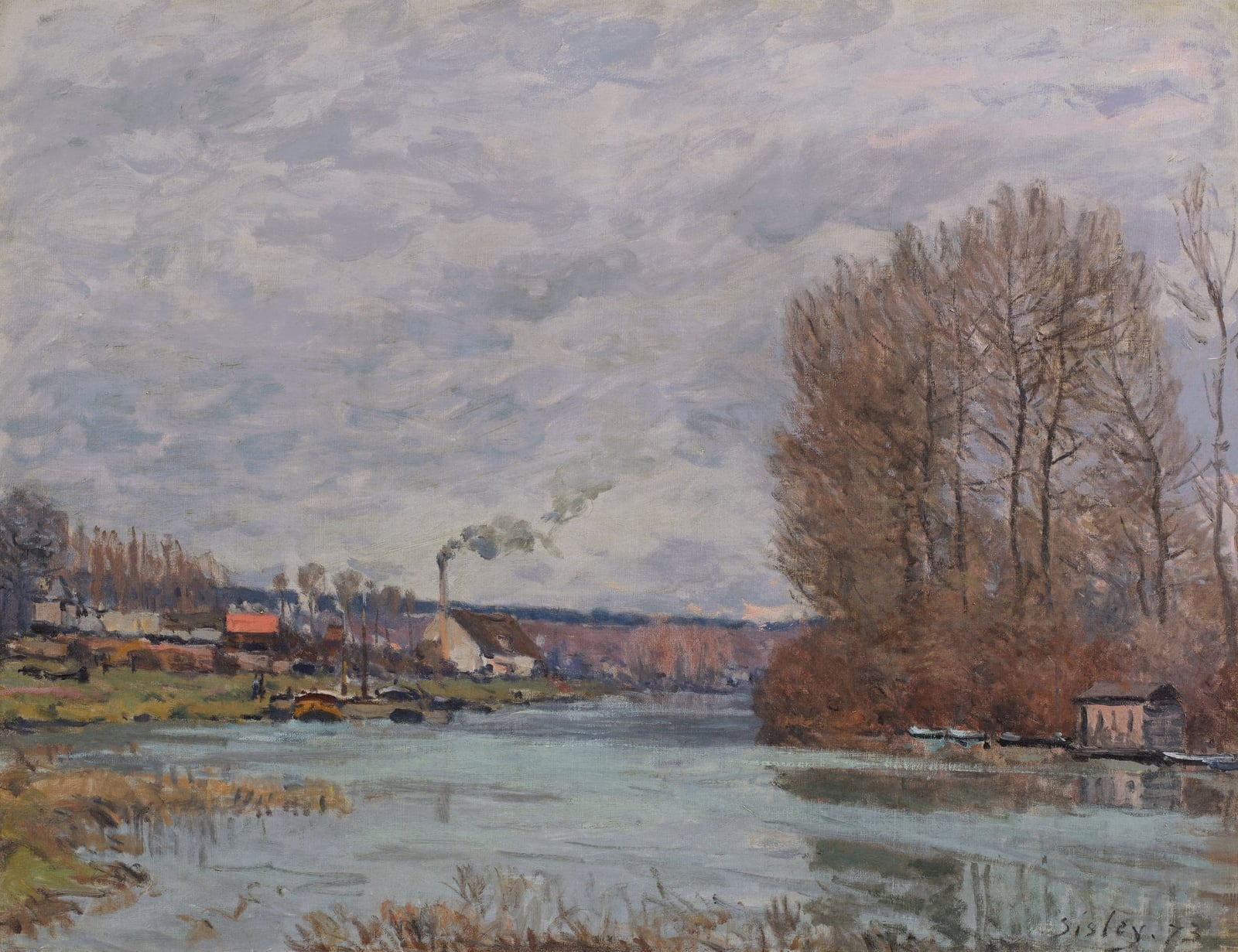
Christie’s collector names are a roll call in themselves: music executive Clive Davis, billionaire William Koch, more works from the late MoMA trustee Agnes Gund to benefit her foundation, and a group of seven works understood to be consigned by Jeff Koons.
Phillips is aiming for $80.4m to $128.7m, led by Amedeo Modigliani’s limestone sculpture Tête (1911–12), estimated at $28m to $35m after more than 50 years in one private collection. Bonhams expects at least $40m, most of it from five fresh-to-market Constantin Brâncuși bronzes, acquired from the artist’s estate and held privately for decades. Together they are estimated at $25m.
What about the stock market?
Equities have been choppy since the US midterms, but the houses aren’t flinching. Stocks are showing early signs of stabilising, and stock swings tend to have limited immediate effect on high-end sales, since evening-sale buyers are often wealthy enough to be insulated from them. Kat Widing, Christie’s senior vice president and head of the 21st-century evening sale, puts it plainly: “People aren’t day-trading Picassos.” Collectors, she adds, are “looking at these works over months, and they’re thinking through these major purchases.”
So the read going in is simple. Guarantees give Sotheby’s a floor under its biggest lots, and provenance gives every house a story to sell. Whether the week lands nearer $2.04bn or $2.4bn will come down to how hard the room chases those few paintings with nine-figure estimates.