
Two paintings from one Argentine collection could join a club of just 29. Around them, Kandinsky, Klimt and a possibly unmasked Jeff Koons make November a serious test.
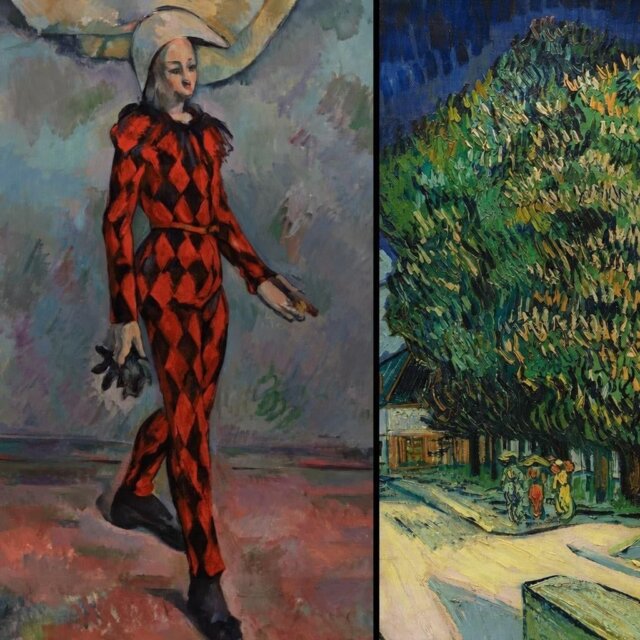
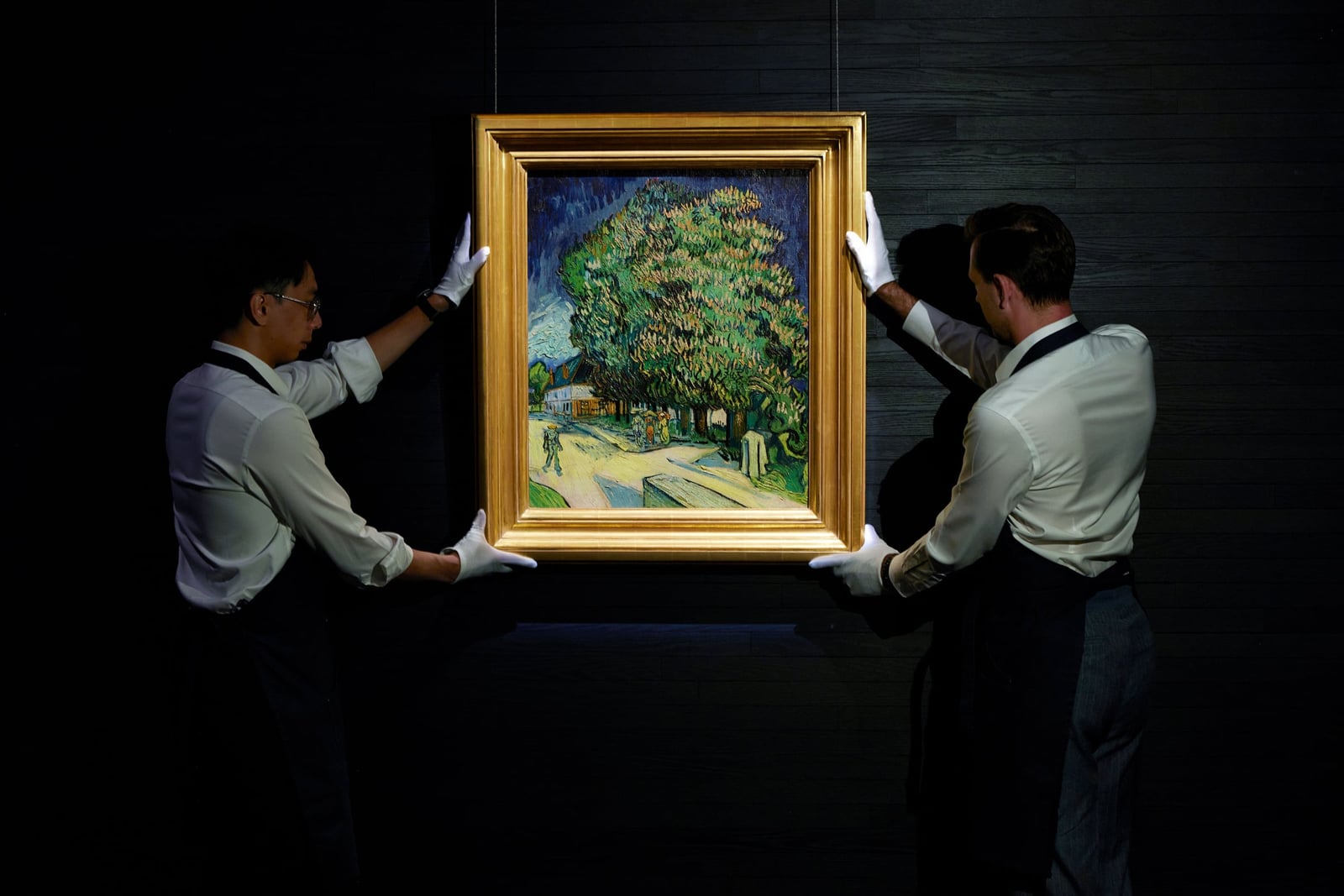
Only 29 works have ever sold at auction for more than $100 million, according to Artprice’s count, and New York is about to try for numbers 30 and 31. Sotheby’s is sending in a Van Gogh estimated at around $180 million and a Cézanne that could approach $120 million. Both are headed for the same $100 million auction club, and both come from one collection.
The Blaquier-Arrieta evening
On 18 November, Sotheby’s offers works from the collection of the late Argentine collectors Nelly Arrieta de Blaquier and Carlos Pedro Blaquier. They built it mainly in the 1970s and 1980s, and it stayed out of public view for decades. Their children are now selling it. The whole group is valued at nearly $450 million.
Van Gogh’s Chestnut Trees in Blossom is the headline. He painted it in May 1890, only weeks before his death, and it hasn’t been shown publicly in decades. His auction record is $117 million, set at Christie’s New York in 2022 for Orchard with Cypresses. If the new picture reaches its reported estimate, it takes the title of his most expensive painting at auction.
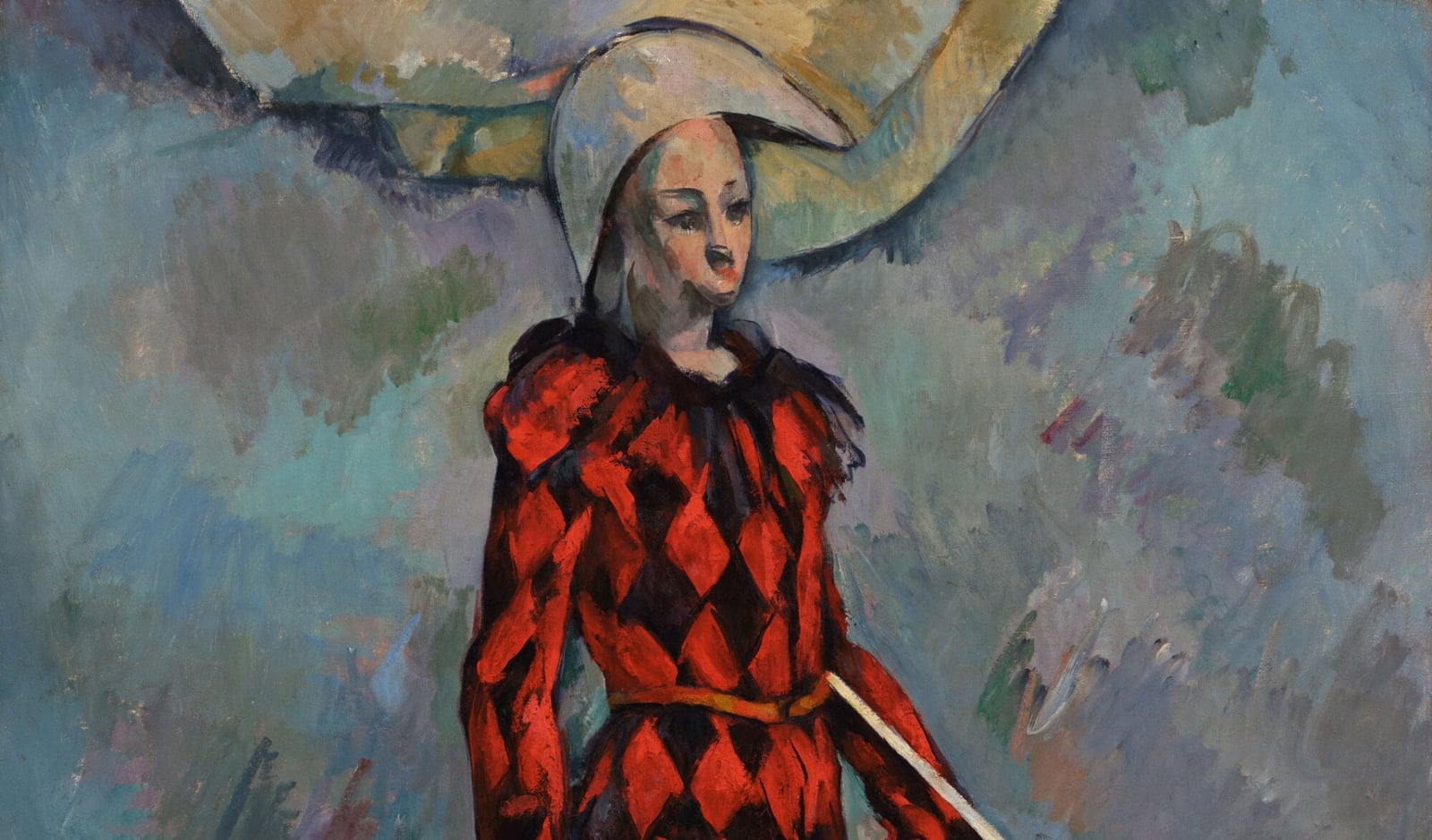
Cézanne’s Harlequin (1888–1890) carries a pre-sale estimate of $120 million. Monet, Pissarro, Degas and Renoir fill out the rest of the group. Artprice sees the strength of the sale in the dialogue between the paintings, a compact history of late 19th-century French painting handed to a new generation of buyers.
Christie’s answers with a mystery and two records
The day before, 17 November, Christie’s offers seven works from a collection estimated at nearly $100 million. The house says only “esteemed private collector”. The New York Times, however, reports that two experts it interviewed believe the owner is Jeff Koons. The sale is titled Heroes & Lovers and includes four Picassos.
The centrepiece is Picasso’s Le Baiser (1969), estimated at about $40 million. Koons reportedly bought it at Sotheby’s in 2008 for $17.4 million. Artprice says the identification should be treated with caution. If it holds, though, it would mean an artist who has long borrowed from art-history icons parting with some of his own pantheon, perhaps to reinvest in his work.
The same evening brings Kandinsky’s Betonte Ecken (1922–1923), estimated at $60 million to $80 million. His record is about $44.8 million, set in London in 2023 by Murnau mit Kirche II, so this could nearly double it. Kandinsky painted it in Weimar soon after joining the Bauhaus. It was the first Kandinsky that Hilla Rebay acquired, and she was an adviser to Solomon R. Guggenheim. The Guggenheim bought it from her in 1941 and let it go in the mid-1960s. It has stayed off the market for roughly 60 years.
Its price history shows how Modern masterpieces have climbed. It sold at Sotheby’s New York in 1986 for $1 million, about $3.07 million in today’s money. At the current estimate, the nominal gain is 60 to 80 times, or roughly 20 to 26 times after inflation. Artprice credits Kandinsky’s place in the history of abstraction, the scarcity of major works and the weight of provenance.
Gustav Klimt’s Litzlbergkeller (1915–1916) shares that evening and that estimate. It is a guaranteed lakeside view of the Attersee, commissioned by the patron Otto Primavesi. It last appeared at auction in 1997, when its $14.7 million set a record for one of Klimt’s landscapes.
Why Paris set the mood
The confidence comes from Paris. Between 19 and 25 October, Christie’s and Sotheby’s together took $306.9 million, about 32.5% of France’s entire 2025 Fine Art auction total, which Artprice put at $945 million. Christie’s logged $153 million, its best Paris result for 20th- and 21st-century art. More than 1,000 bidders from 59 countries took part, and half the lots beat their high estimates.
Collections did the heavy lifting. Sotheby’s Jeanne Schlumberger sale reached $83.7 million and Christie’s Durand-Ruel sale made $46.8 million. Both sold every lot. The star was Monet’s Iris (1924–1925), which went for $56.1 million on 22 October, the most expensive work ever sold at auction in France. Six bidders fought for 45 minutes before an Asian private collector won it by telephone. Art historians had long known the painting mainly from a black-and-white photograph, so seeing its colours again felt like a revelation.
What November will measure
Artprice’s reading is that a record needs three things: a rare work, impeccable provenance and several determined buyers. Estimates alone prove nothing. These sales will show whether the world’s wealthiest collectors are ready to compete at the top. They will also show where the pictures go next. After decades in American or French hands, some may cross continents, possibly into Asian collections. Artprice calls it a redistribution of artistic treasures that reflects the shifting balance of power in the global art market.
The first hammer falls on 17 November, and the paddles will tell the rest.
Via Artprice


