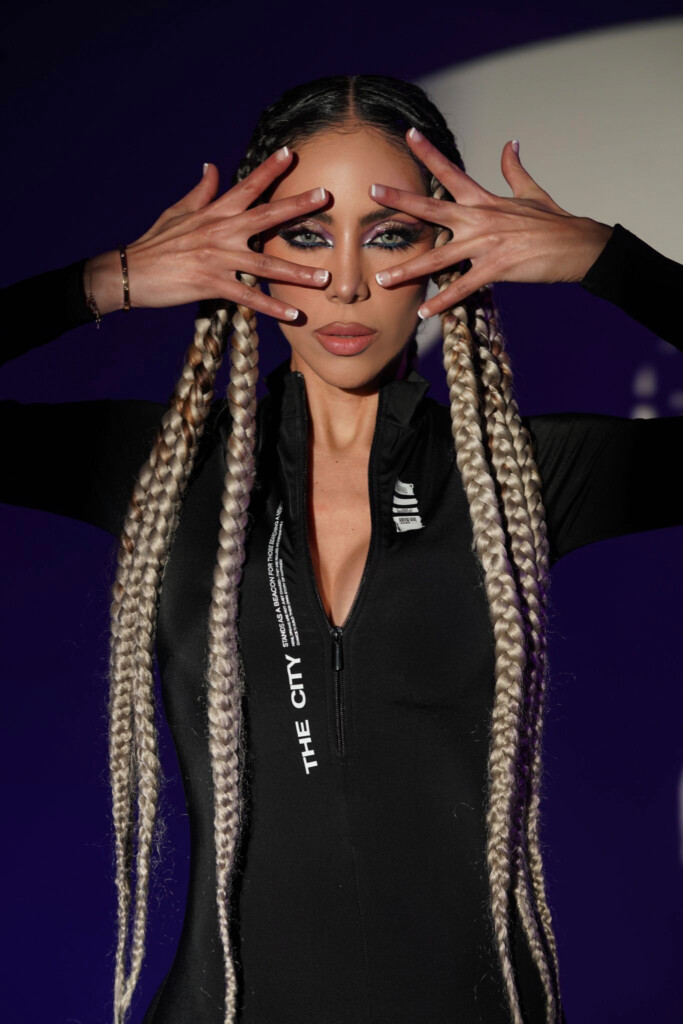
Our most recent feature is no stranger to Vulkan readers. We have followed the multitalented artist known as ANAYA for quite some time now and we always wonder how she has time in her busy scheduled to continue to entertain us all with her music and many talents. Blending powerhouse vocals, live electric violin, and high-energy DJ sets, the Colombian-born artist has become known for performances that fuse classical musicianship with the electrifying atmosphere of the world’s biggest stages. We were lucky enough to catch up with her this summer as we celebrate her latest single latest single, “DEJA,” a collaboration with acclaimed producer Brian Matrix, ahead of her many upcoming endeavors including her most recent performance at Tomorrowland.
In our Vulkan conversation, ANAYA opened up about the creative process behind “DEJA,” the inspiration she draws from artists pushing the boundaries of electronic music, and the journey that has taken her from studying classical violin at the age of seven to performing for audiences around the globe. She also reflects on the discipline required behind the scenes, the advice she has for aspiring female producers and DJs, and why she believes her biggest career milestone is still ahead. Enjoy what ANAYAhas to say below!
Ciao!
“DEJA” fits perfectly with the energy of this year’s festival season. What emotions or experiences are you hoping fans would feel the moment they hear and experience the track?
I want people to feel completely unstoppable. “DEJA” was created for those moments when thousands of people become one energy on the dance floor. It’s powerful, emotional, and explosive at the same time. I hope listeners forget everything else for a few minutes, lose themselves in the music, and leave feeling more confident, more alive, and connected with everyone around them. That’s what dance music has always meant to me.
You’ve collaborated with Brian Matrix on this release. How was it collaborating and what made the creative chemistry between the two of you work so well on “DEJA”?
Brian and I share a similar vision when it comes to creating music that works both emotionally and on a massive festival stage. He’s incredibly talented at building energy and tension, while I naturally focus on melody, musicality, and creating memorable moments. We challenged each other creatively throughout the process, and neither of us settled until the record felt right. I think that mutual respect and shared attention to detail is what made the collaboration work so well.
What artists do you hope to collaborate with in the future and why? Have certain sounds or a musical style caught your ear?
There are so many artists I admire. Martin Garrix has always inspired me because his records combine emotion with huge festival energy. I’d also love to collaborate with John Summit, Anyma, MEDUZA, or Alesso because they’ve each developed such distinct sonic identities while continuing to evolve. Right now I’m really inspired by melodic, cinematic dance music mixed with driving bass lines and powerful vocals. I love records that can make you dance while still telling an emotional story.
If you could describe “DEJA” in just three words, what would they be—and why?
Powerful. Hypnotic. Euphoric.
Powerful because the energy never lets up. Hypnotic because it pulls you deeper every time the groove develops. Euphoric because that’s ultimately the feeling I want people to walk away with after hearing it live.
Tomorrowland is one of the world’s most iconic music festivals. What does performing there represent for you personally and professionally?
Tomorrowland represents years of believing in a dream that sometimes felt impossible. Growing up playing classical violin in Colombia, I never imagined one day I’d perform at a festival I’ve admired for so many years. Professionally, it’s one of the biggest milestones of my career. Personally, it’s a reminder that every sacrifice, every challenge, and every moment of uncertainty has been worth it. It’s also just the beginning of where I want to go.
You’re known for blending live electric violin performances with vocals during your DJ sets. How has creating that signature performance style helped define your identity as an artist?
I’ve never wanted to fit into one category. My classical background is part of who I am, but I also love producing, DJing, writing songs, and performing live. Bringing the electric violin into dance music allowed me to create something that feels authentic instead of following what everyone else is doing. It’s become a signature because it isn’t just an instrument, it’s another voice within the performance. My goal has always been to create an experience people remember, not just another DJ set.
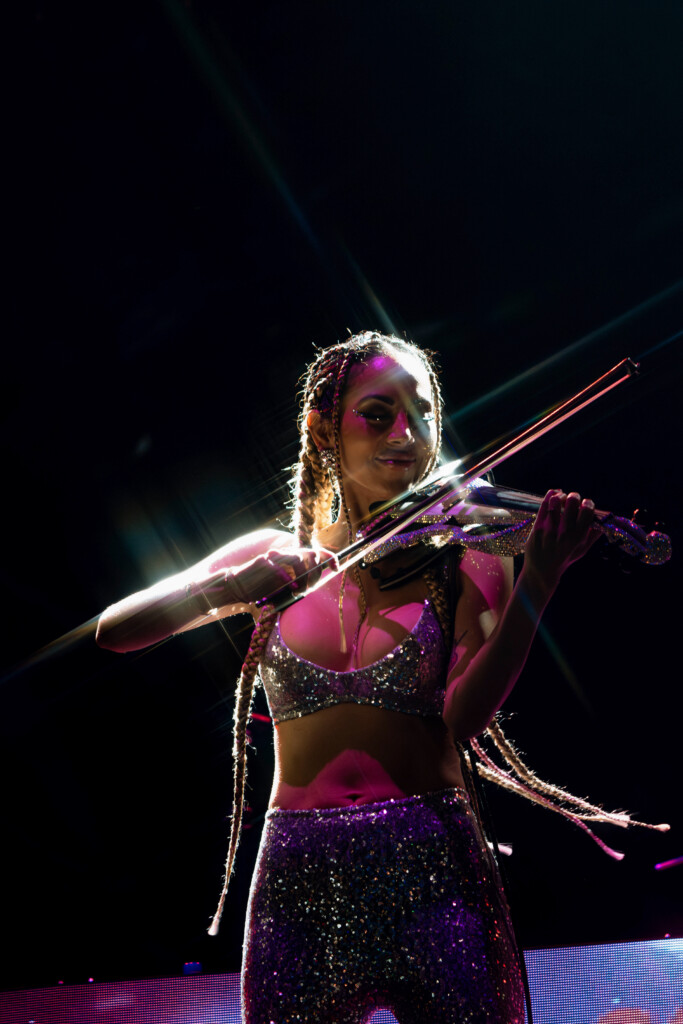
When did you start playing the violin, and what inspired you to eventually fuse playing a traditionally classical instrument into your performances?
I started playing violin when I was seven years old. Classical music taught me discipline, emotion, and how to tell stories through music. As I grew older, I became fascinated by electronic music and realized there was no reason those two worlds couldn’t exist together. Instead of leaving my classical background behind, I wanted to reinvent it. The violin became a bridge between where I started and where I wanted to go creatively.
As mentioned, Tomorrowland is iconic. How are you mentally preparing for it?
Preparation starts long before I step on stage. I’m constantly refining my set, practicing transitions, producing edits that people haven’t heard before, and making sure every moment serves a purpose. Physically, I train consistently because my performances are incredibly demanding. Mentally, I remind myself why I started making music in the first place. At the end of the day, it’s about connecting with people through music, and that mindset helps keep me grounded regardless of the size of the stage.
Between performing at official FIFA World Cup events and now Tomorrowland, you’ve put a great list of performances on your resume. How have those performances changed you?
They’ve taught me to trust myself more. Every major stage comes with higher expectations, but I’ve learned that the fundamentals never change. Whether you’re performing for thousands of people at a stadium or on one of the world’s biggest festival stages, your job is still to create a genuine connection with the audience. Experiences like the FIFA World Cup and Tomorrowland have given me more confidence, but they’ve also made me even hungrier to keep growing.
What have been some of the most exciting or memorable places you have visited while touring for your music? Please feel free to share as much detail with your readers.
Every place leaves its own impression. Mexico has some of the most passionate dance music fans I’ve ever experienced, the energy is incredible from the first song until the last. Performing in Europe has been unforgettable because electronic music is so deeply woven into the culture. Japan has always inspired me creatively because of its attention to detail and innovation. And honestly, every time I perform at SoFi Stadium for the Chargers or at international sporting events, it’s a different kind of excitement because you’re bringing music into moments that unite people beyond just a concert.
Every artist has a defining “I made it” moment. Have you had one yet, and if not, what do you think it will be?
I’ve had moments where I’ve stopped and felt incredibly grateful, performing the Super Bowl, Tomorrowland, EDC and major international events are experiences I’ll never forget. But I honestly don’t think I’ve had my “I made it” moment yet because my goals keep evolving. For me, it will be reaching a point where my music consistently impacts people around the world, headlining the biggest festivals, and knowing I’ve built something that lasts far beyond any single performance.
Social media often shows the highlights of an artist’s life, but what is something about you that fans don’t always get to see?
People usually see the performances, the travel, and the exciting moments. What they don’t see are the long hours in the studio, constantly learning production, writing music, rehearsing violin, working out to stay performance-ready, or the countless revisions that go into every release. I think people would probably be surprised by how much of my life is spent quietly creating and improving rather than being on stage.
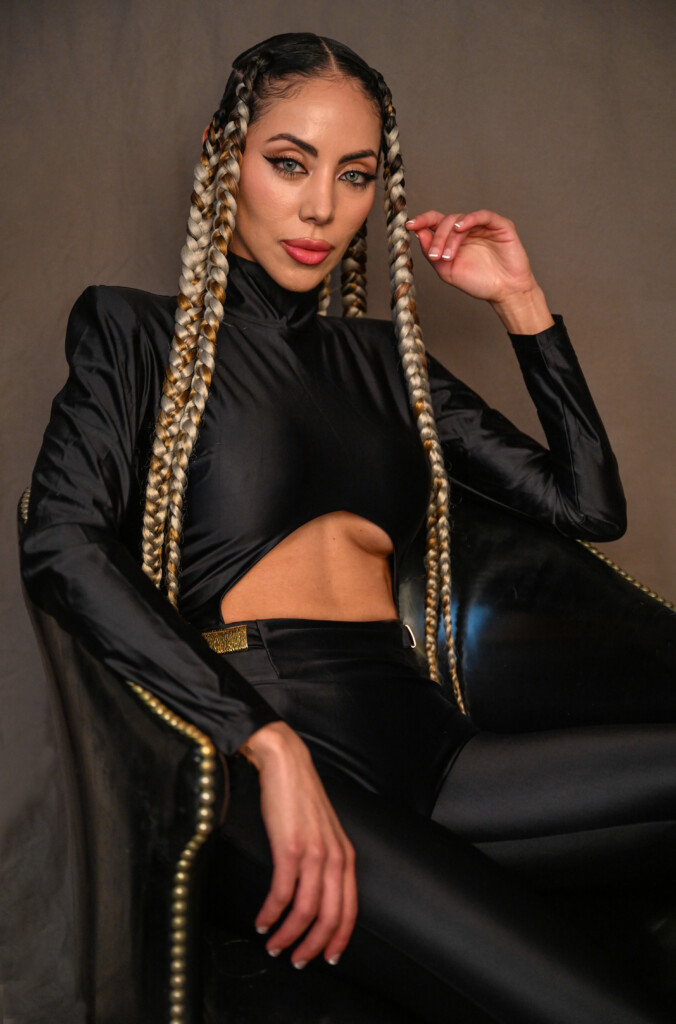
Many aspiring female DJs and producers look up to artists who are breaking barriers. What advice would you give young women hoping to build careers in electronic music?
Believe that your perspective is your greatest strength. Don’t spend your career trying to sound like someone else because that’s already been done. Learn the technical side of music, understand production, keep improving your craft, and don’t let anyone convince you that you don’t belong. There will always be challenges, but consistency, resilience, and authenticity will always outlast trends.
Looking back at where you started, what would today’s ANAYA tell the younger version of yourself who was just beginning this journey?
I’d tell her to trust the timing of her life. Every setback, every rejection, and every unexpected detour is preparing you for something bigger. Don’t rush the process or compare yourself to anyone else. Stay curious, keep learning, and never lose the joy that made you fall in love with music in the first place.
As you look toward the rest of 2026, what goals are you most excited to accomplish, and what can fans expect next from ANAYA?
This year feels like the beginning of an exciting new chapter. Fans can expect a lot of new music that reflects the evolution of my sound, records built for both festival stages and personal listening. I’m continuing to develop my live show, combining DJing, vocals, and electric violin in ways that push it even further. Beyond that, I want to keep performing around the world, collaborate with incredible artists, and continue building ANAYAinto a global brand that inspires people through music. The vision has never been bigger, and I’m excited for everyone to experience what’s coming next.
By Ed Solorzano