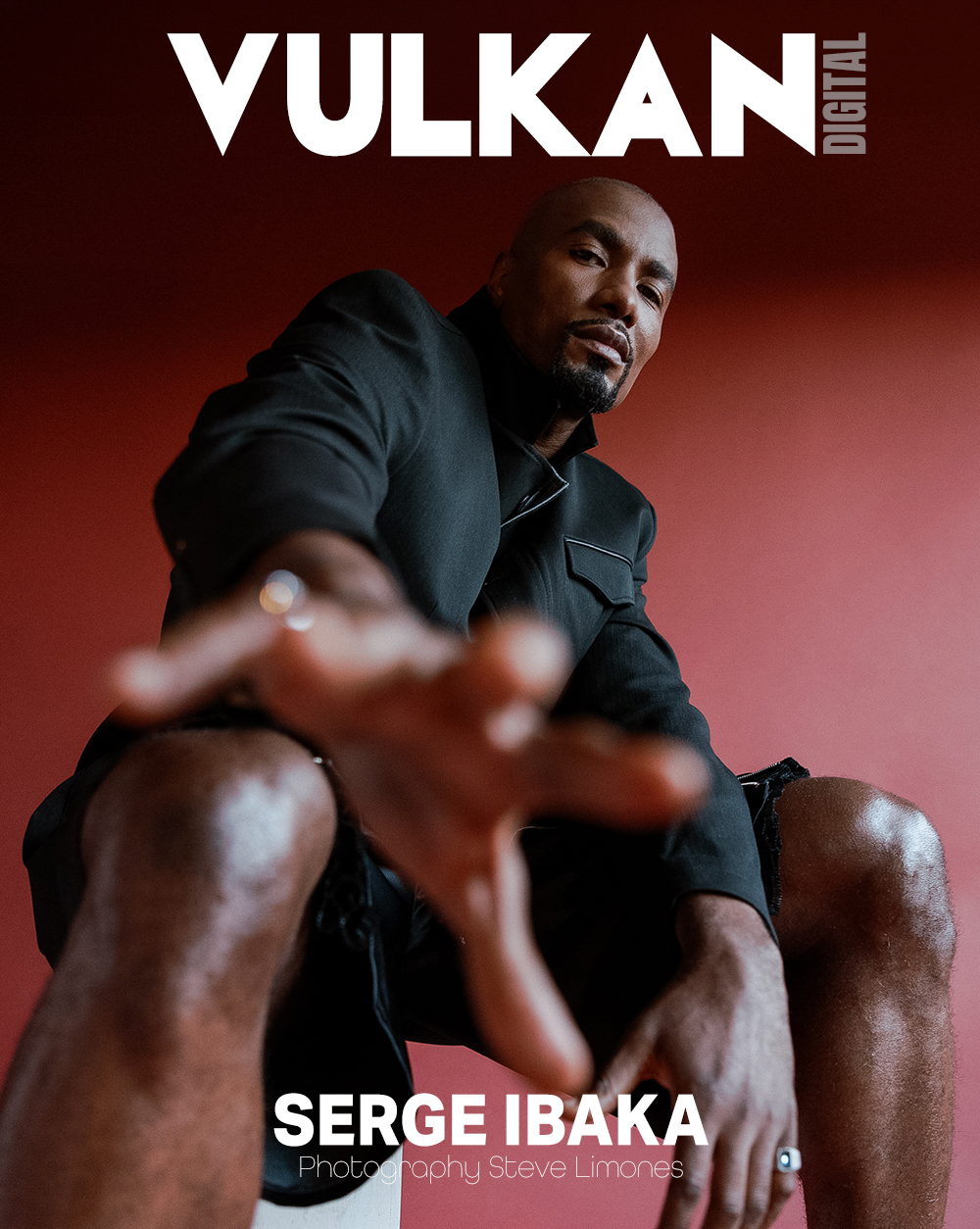
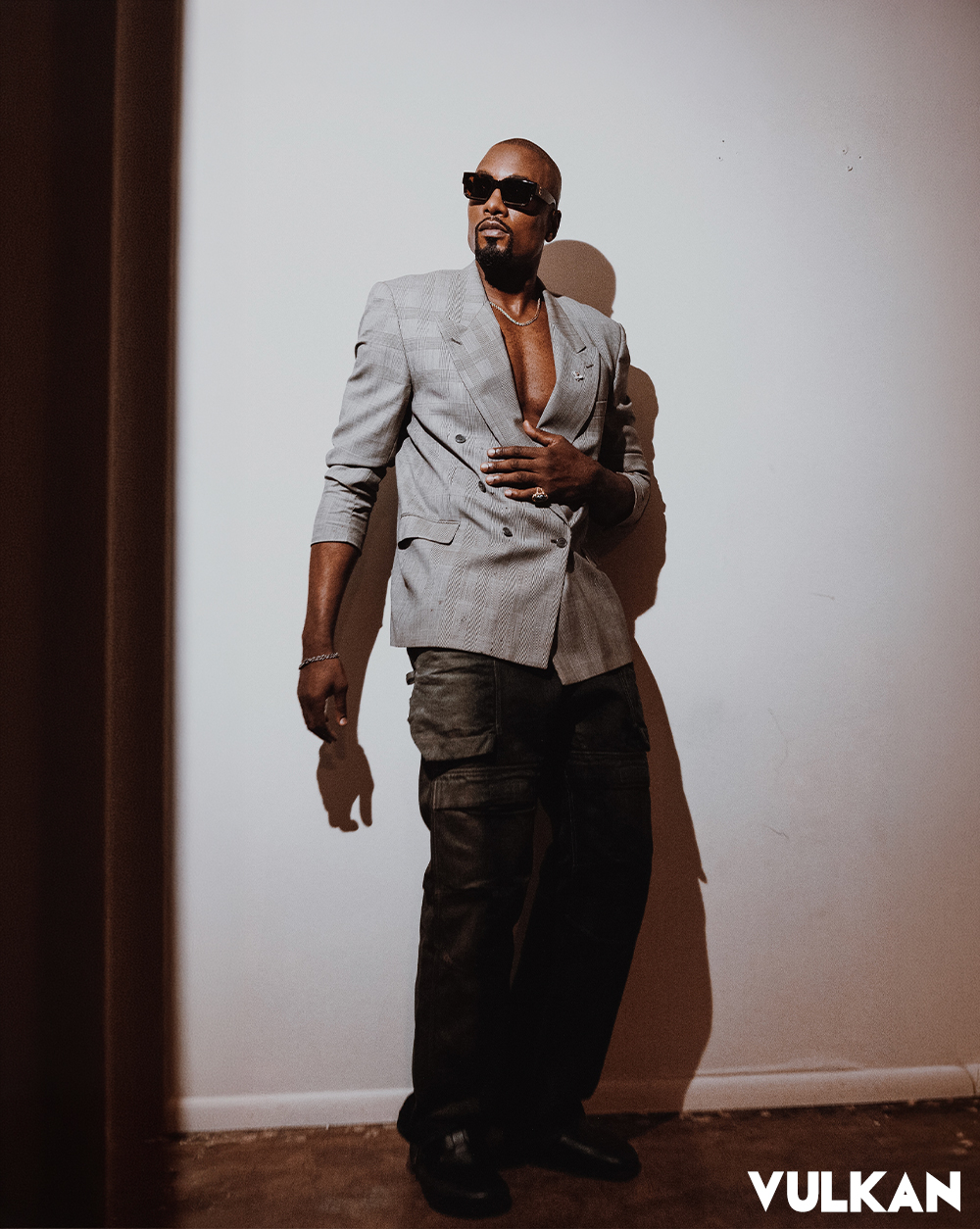
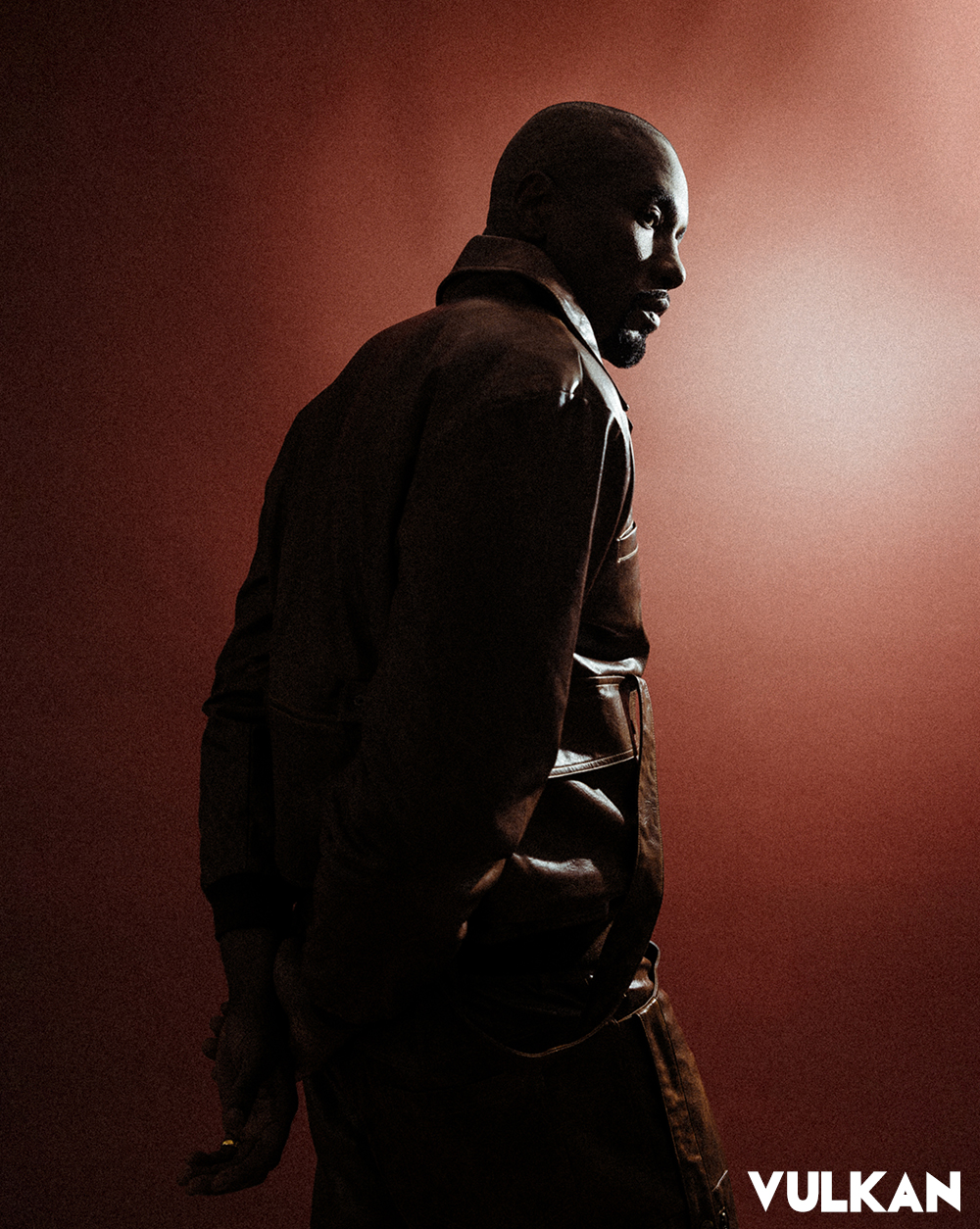
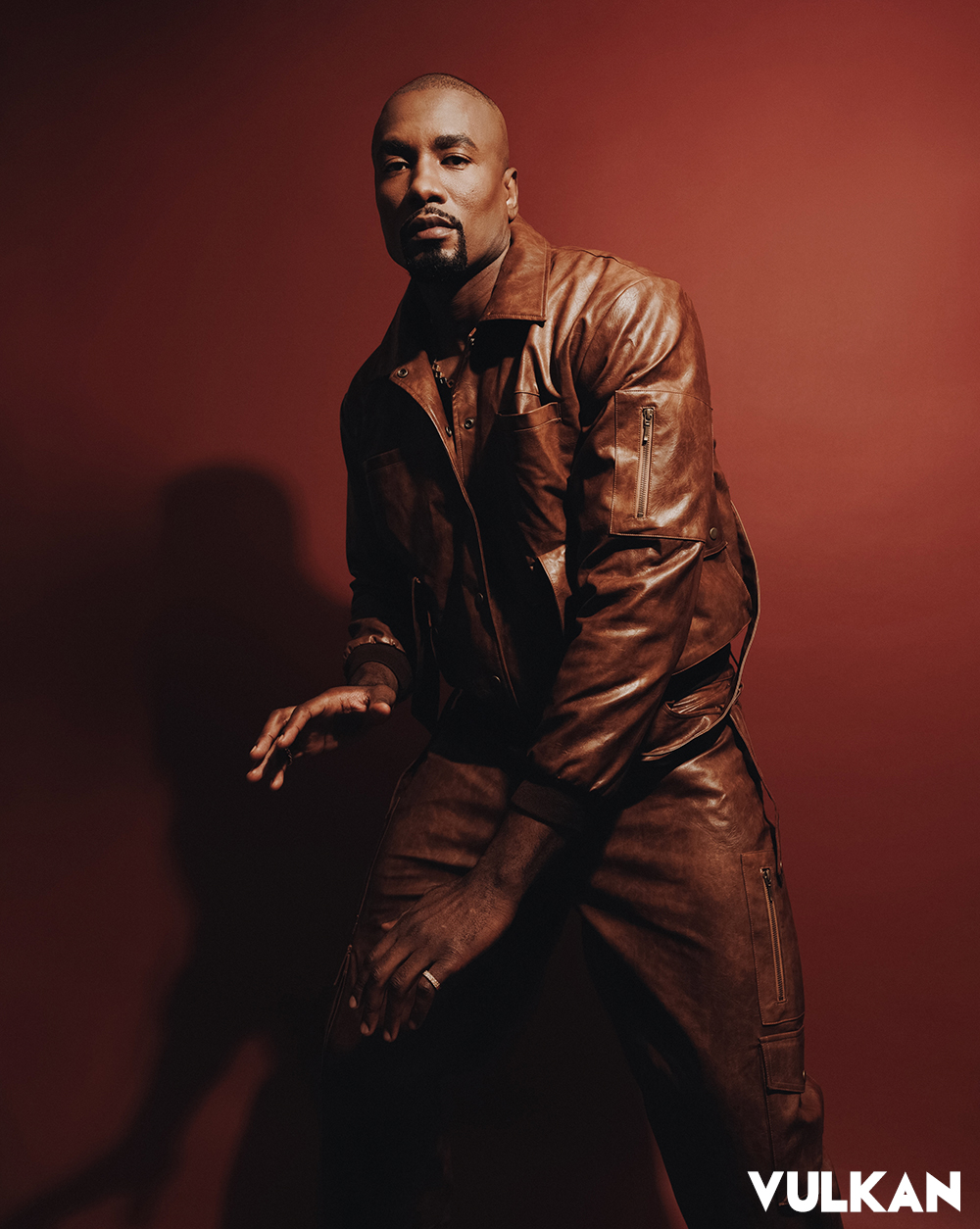
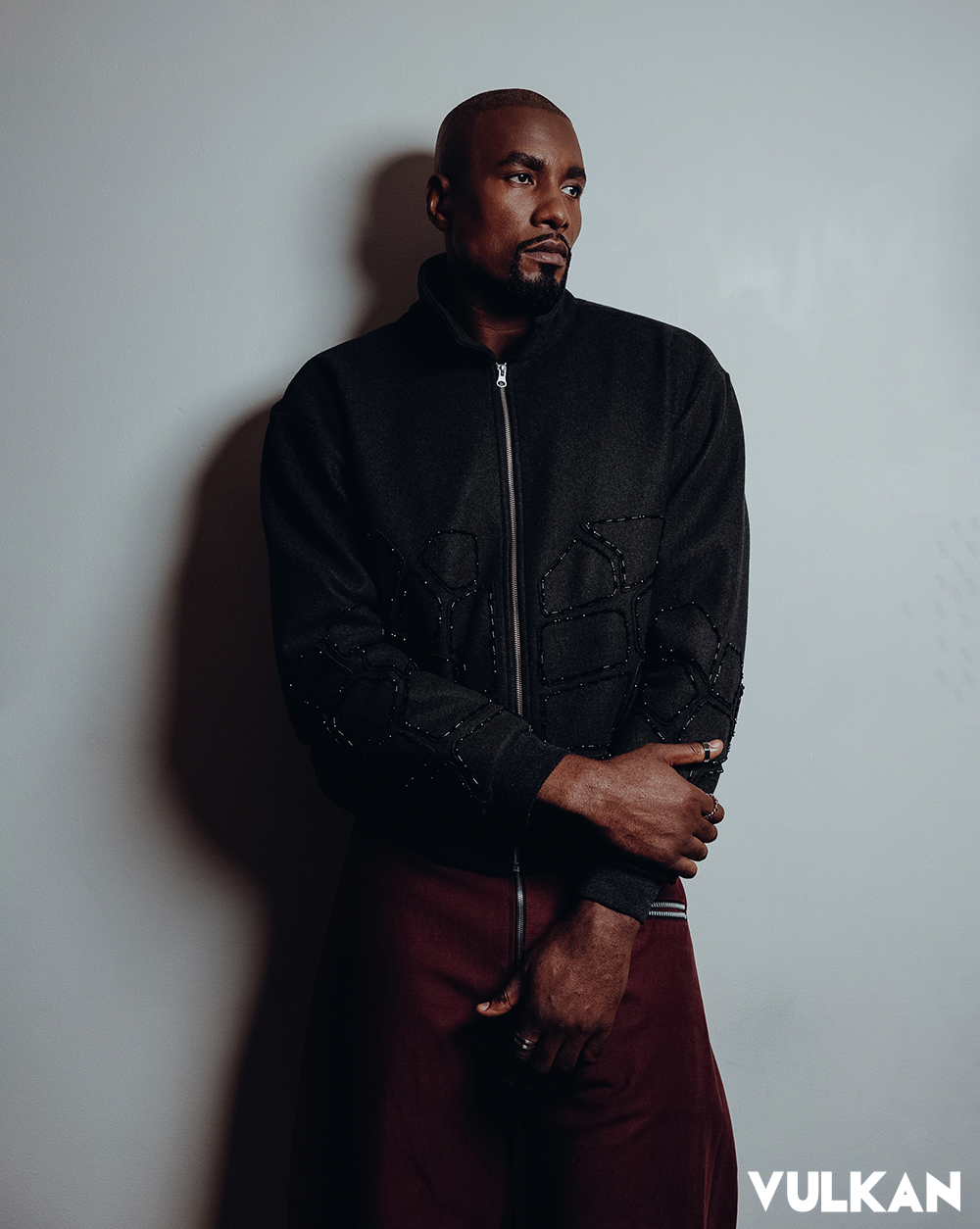
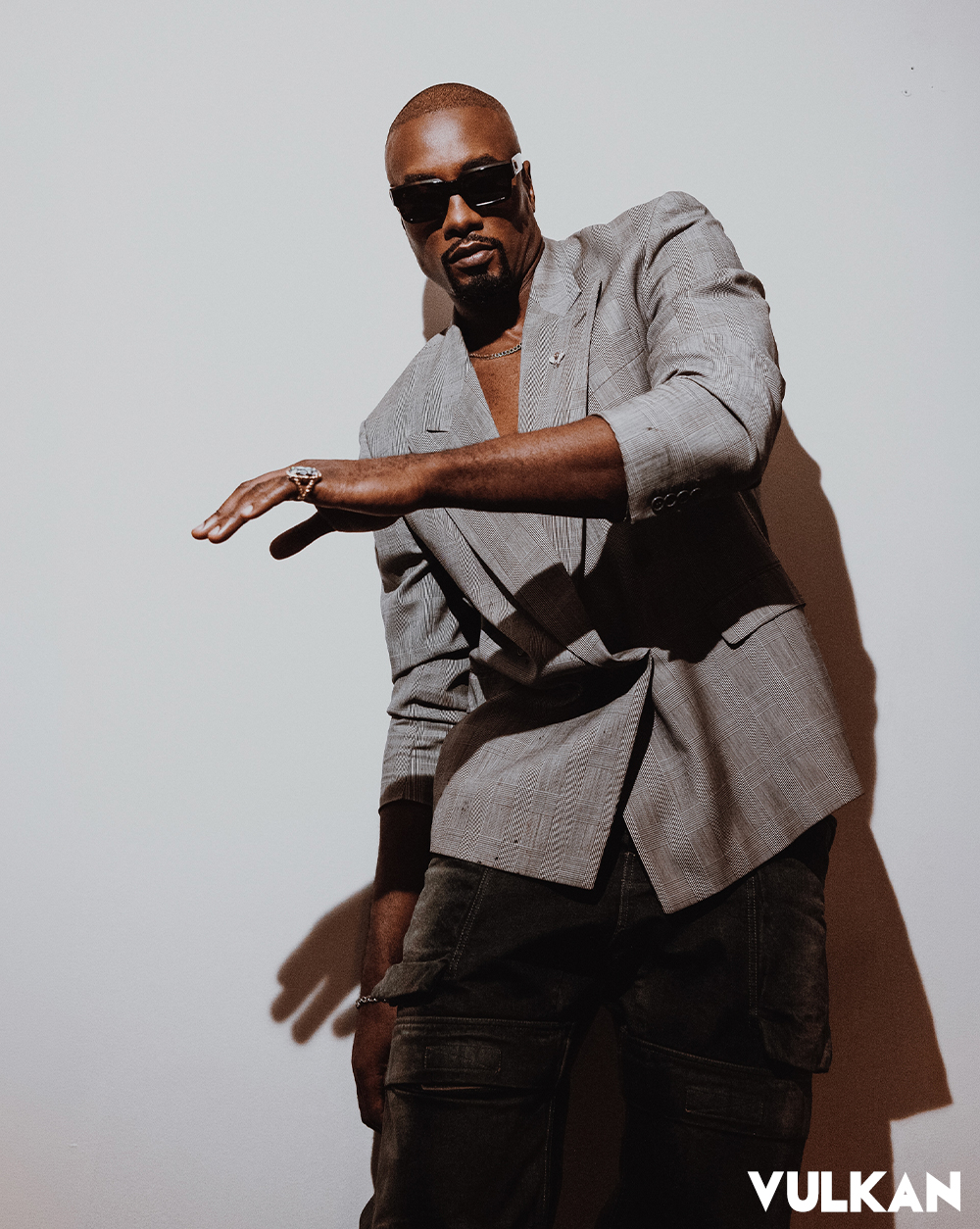
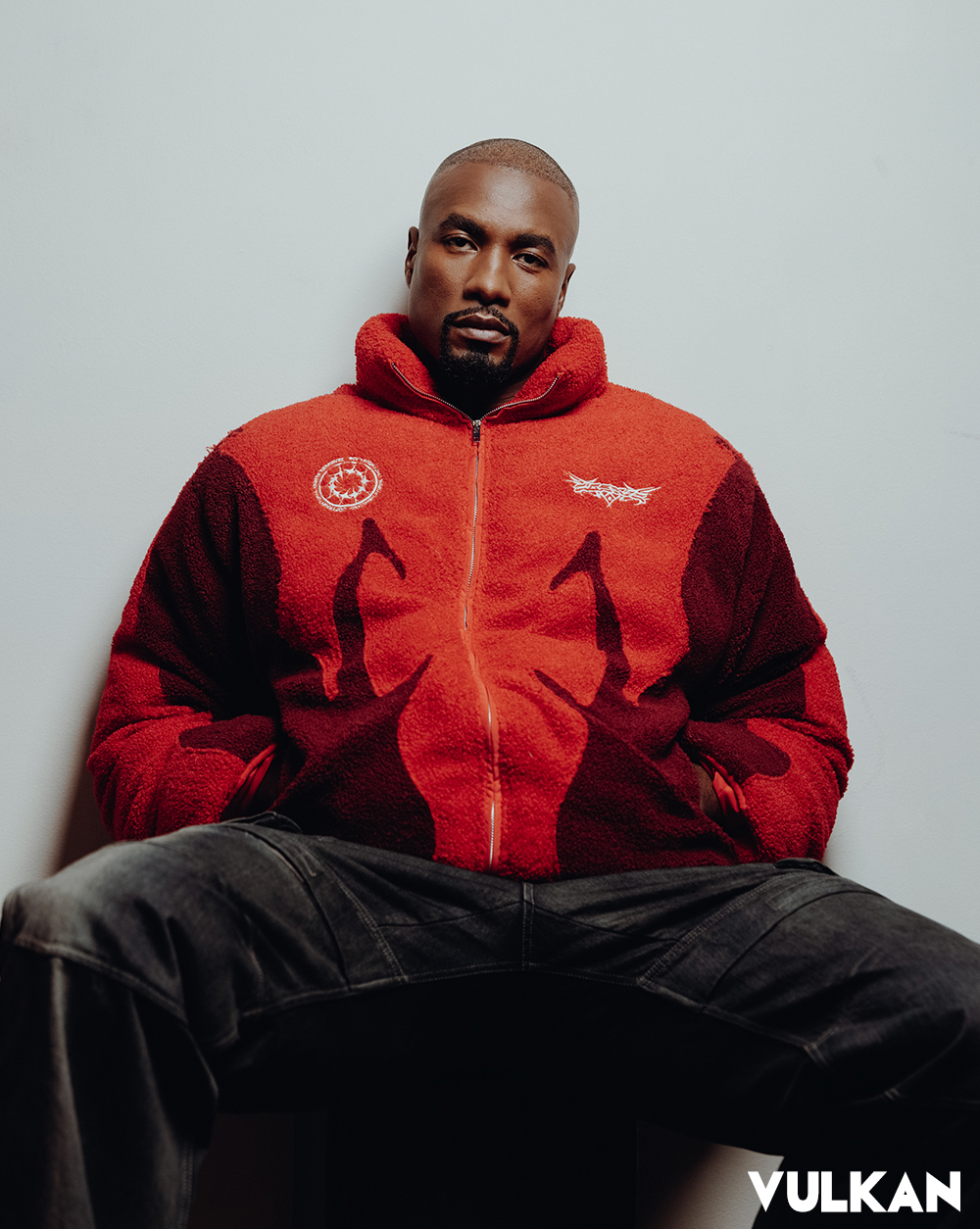
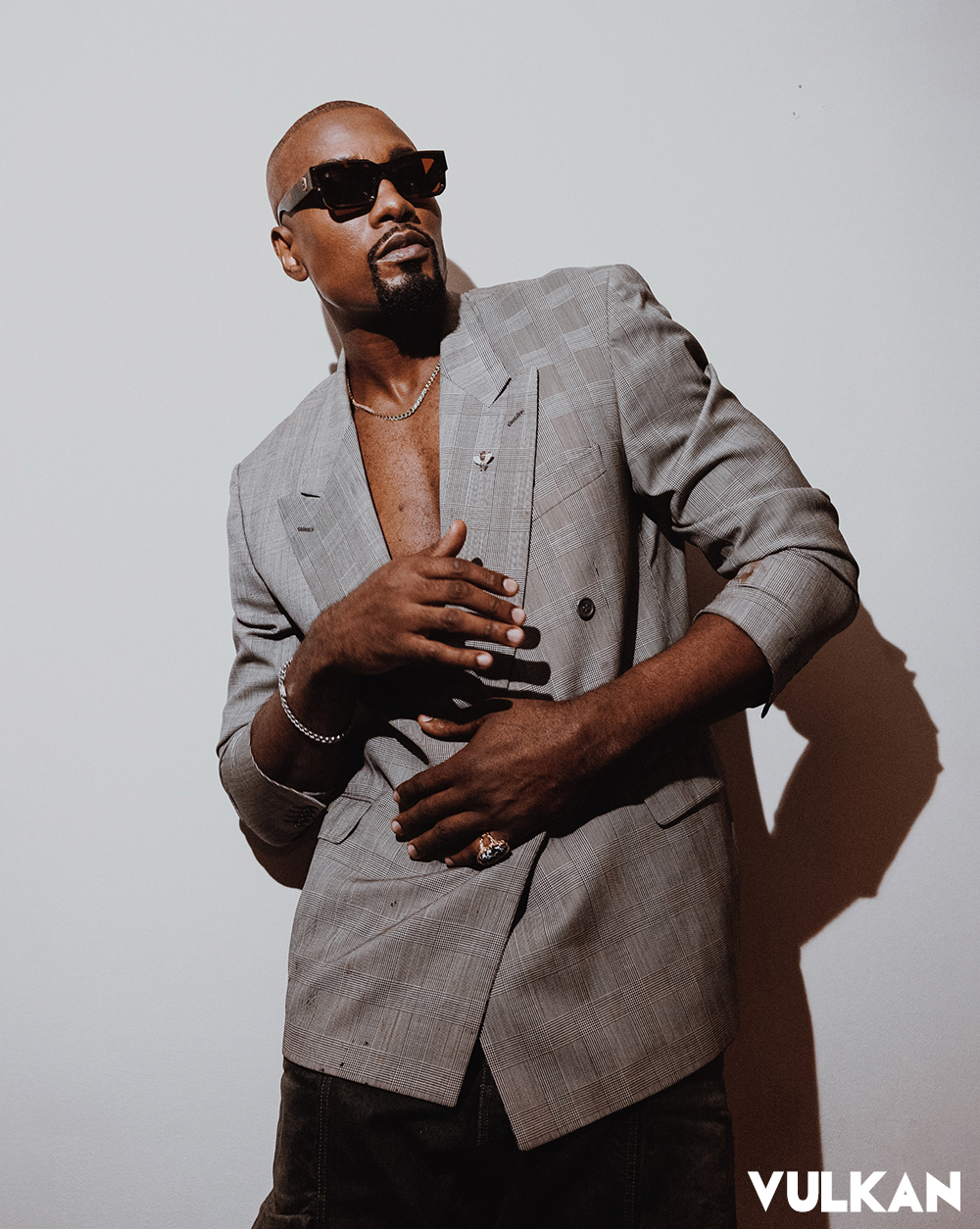
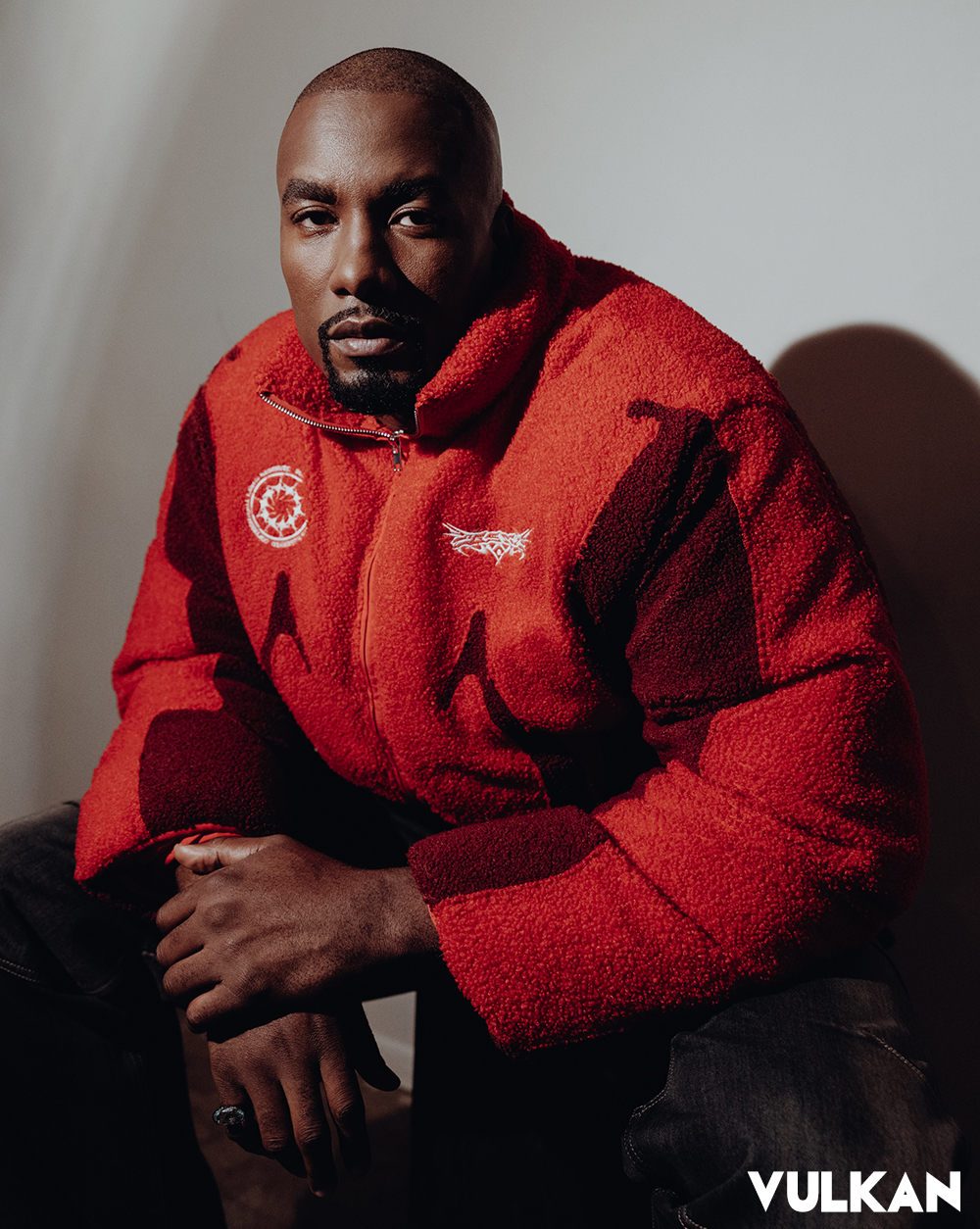
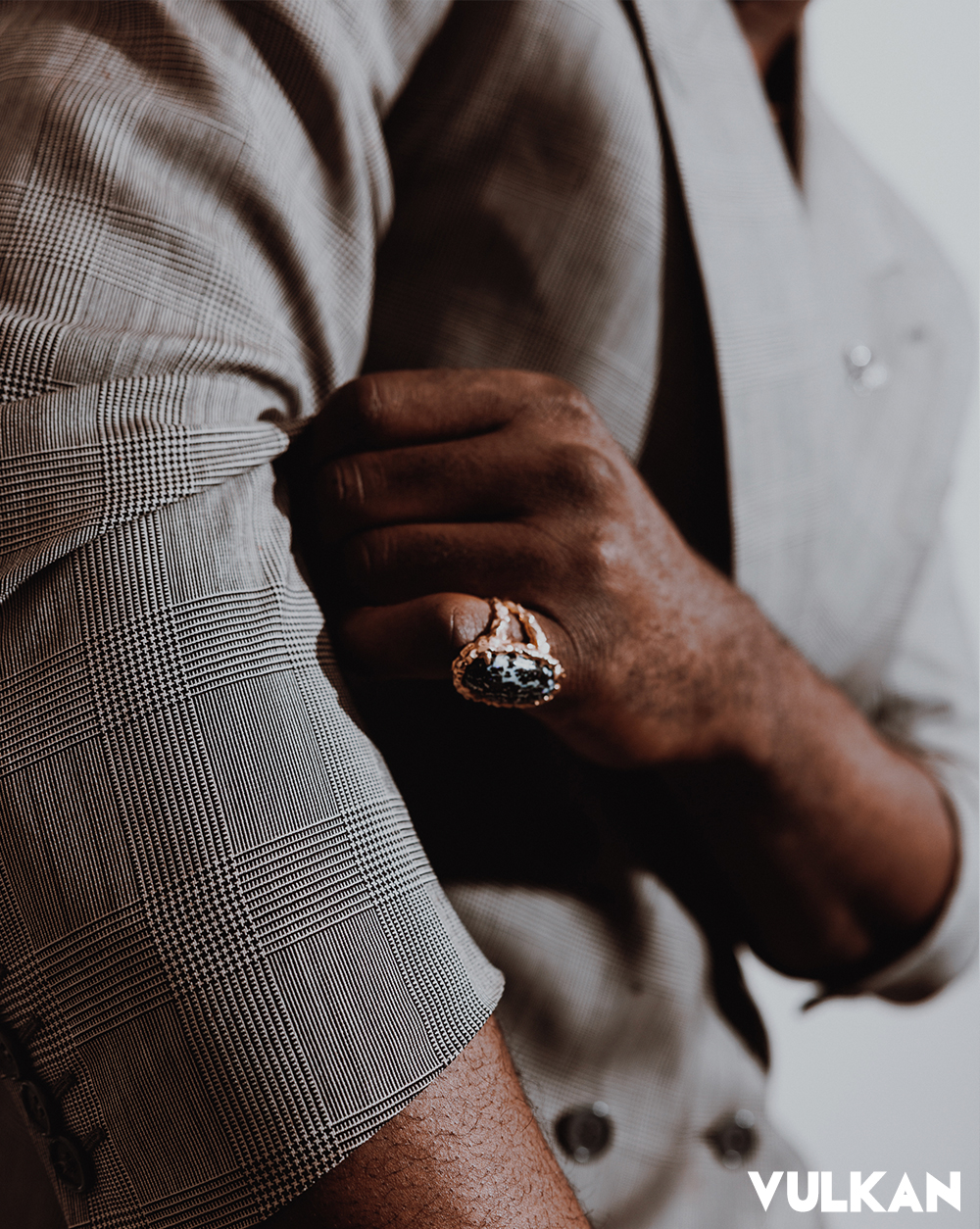
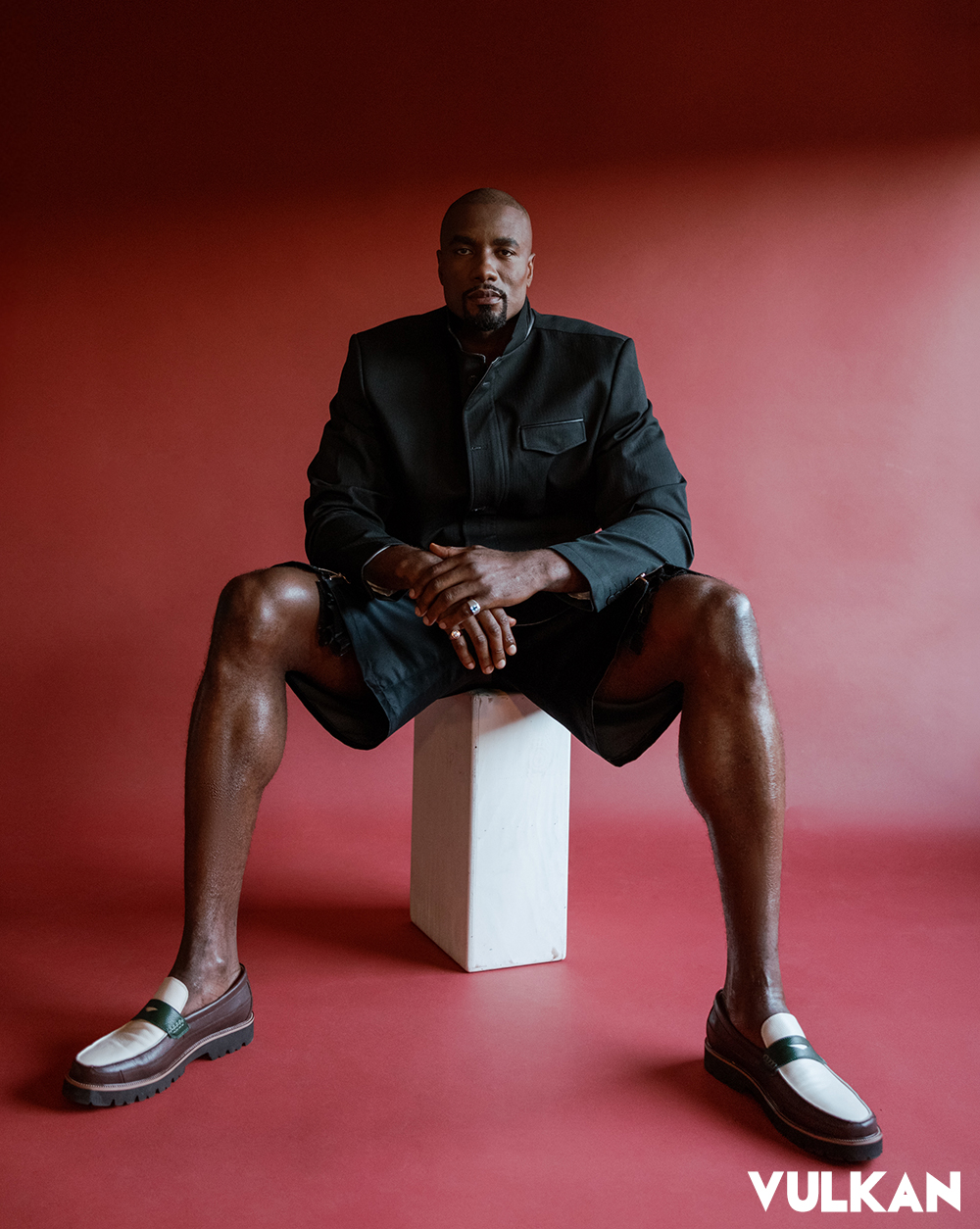
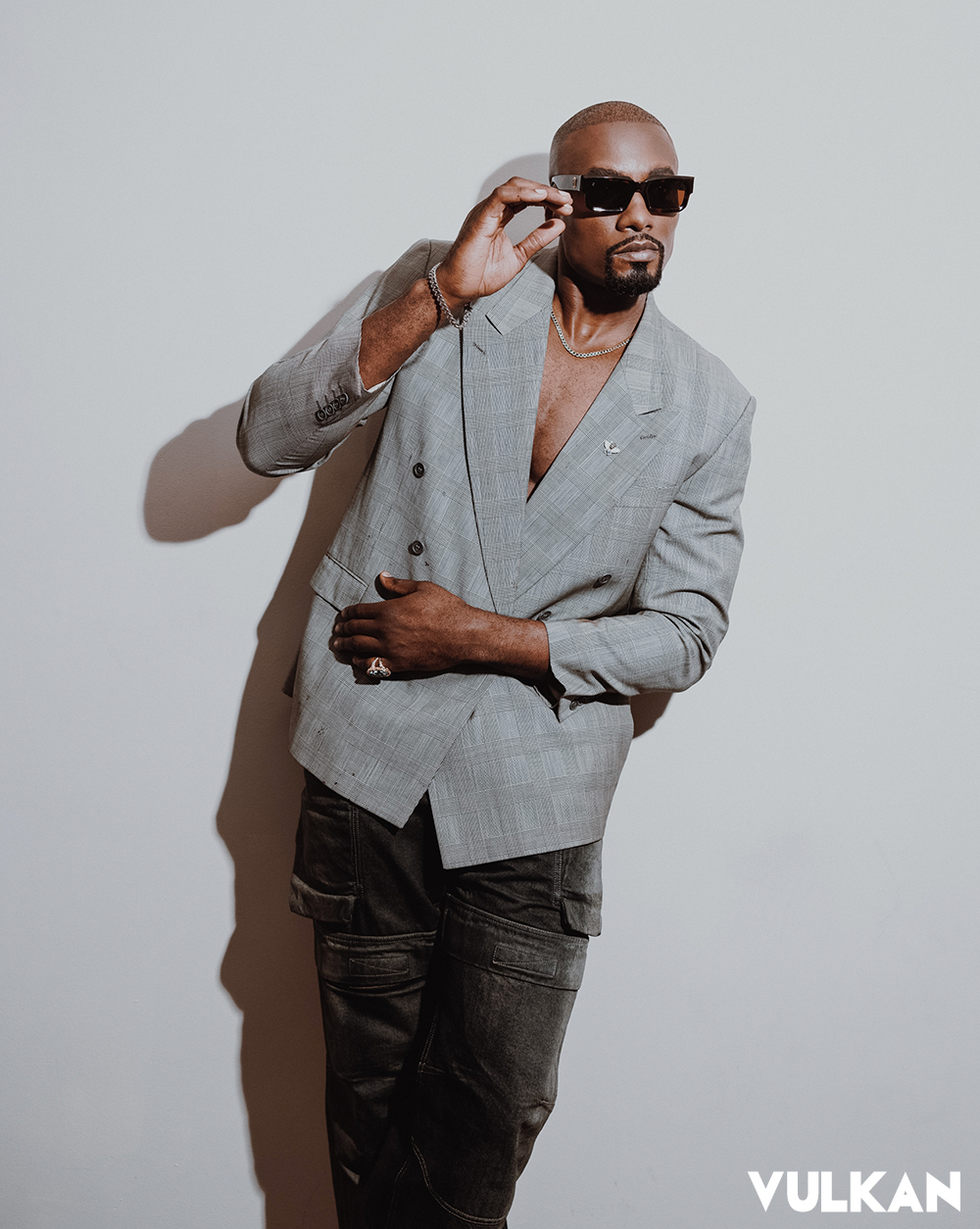
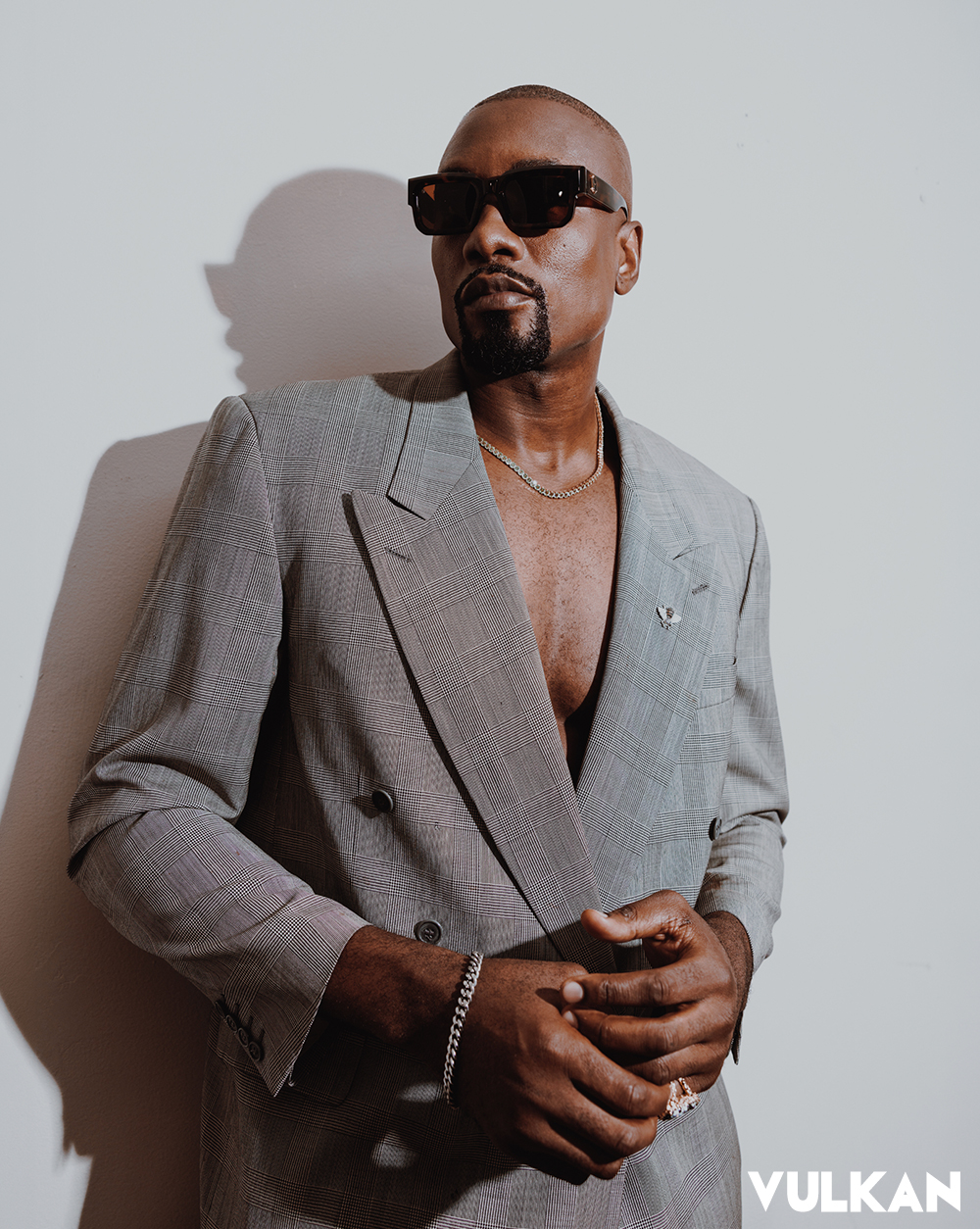
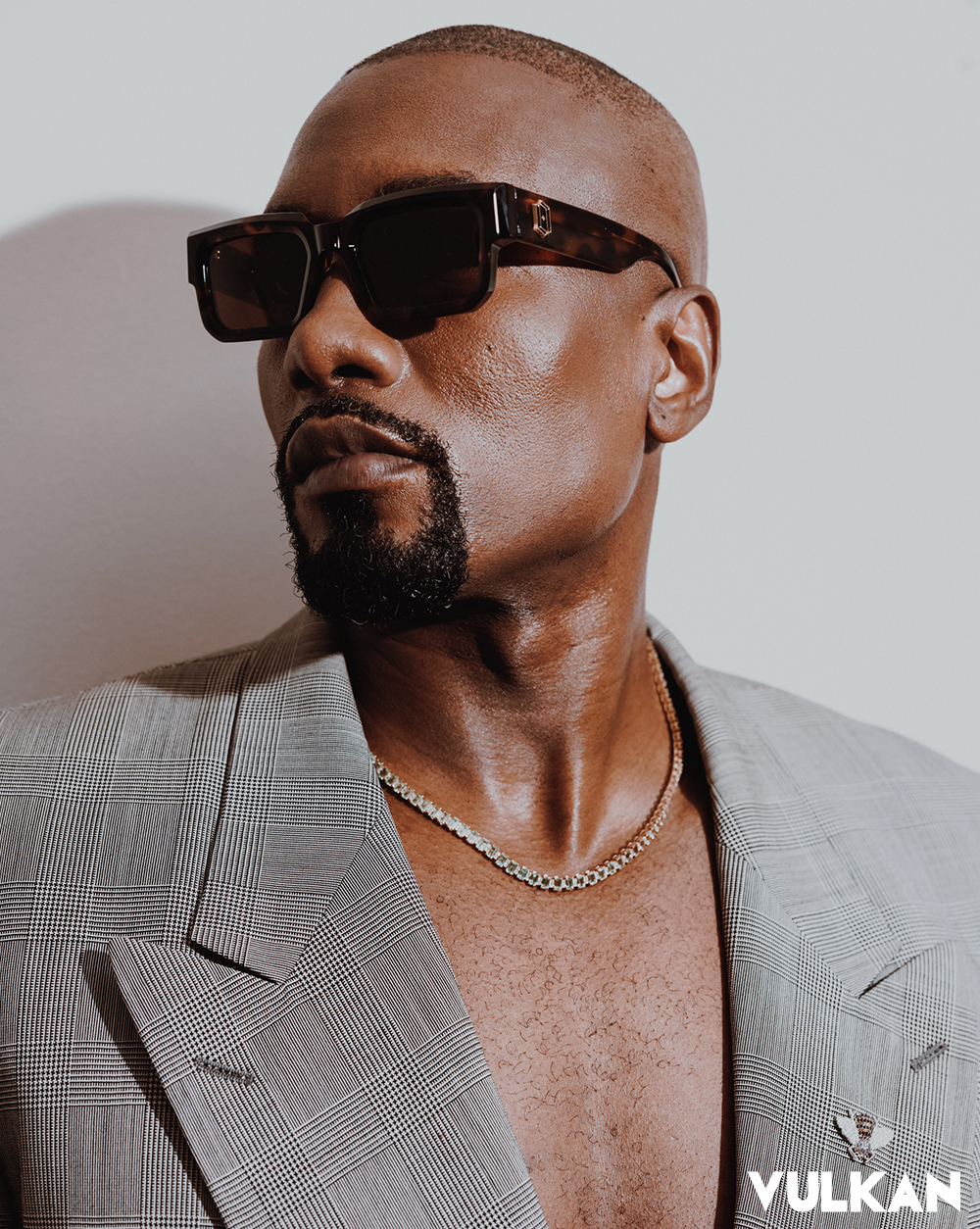
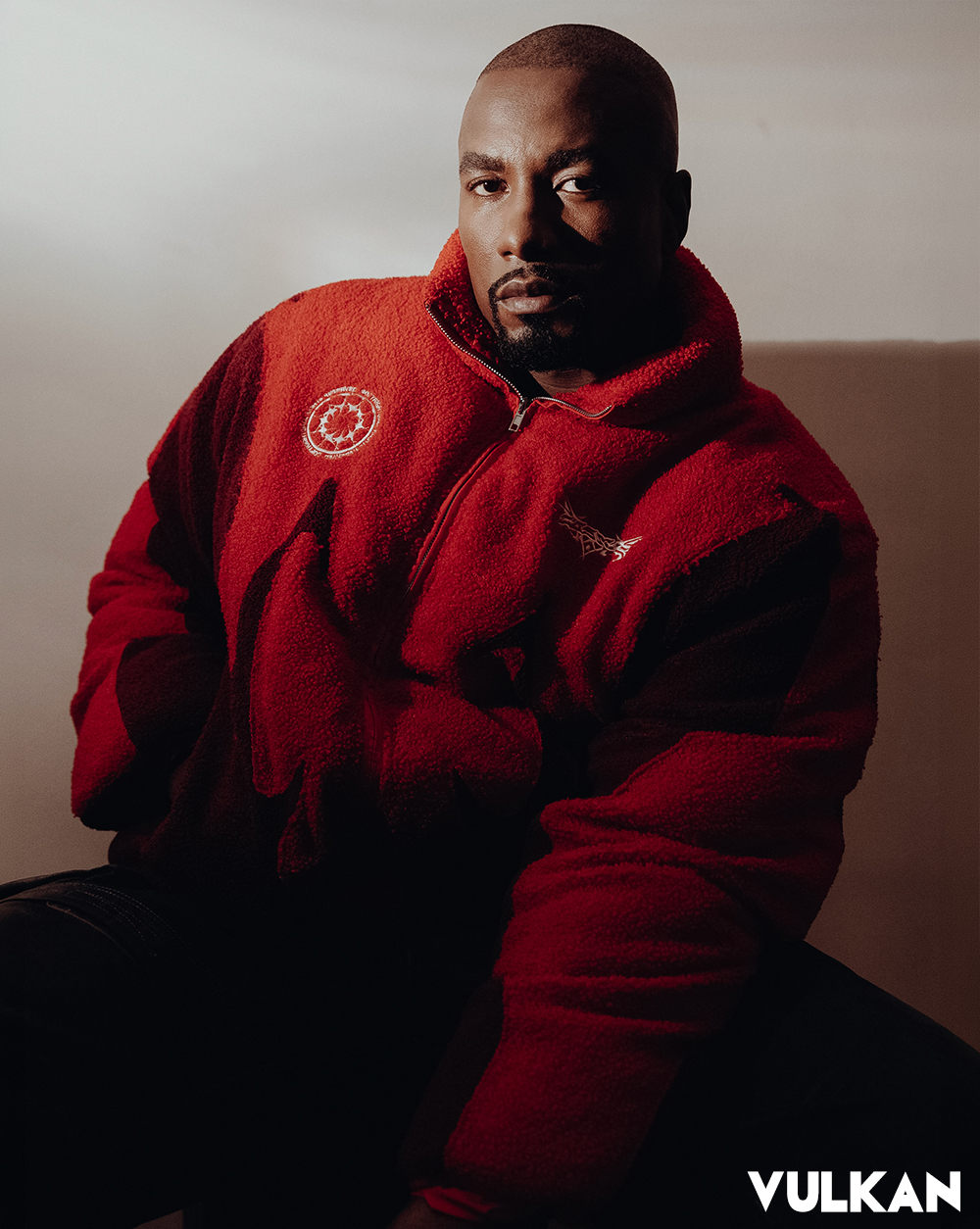
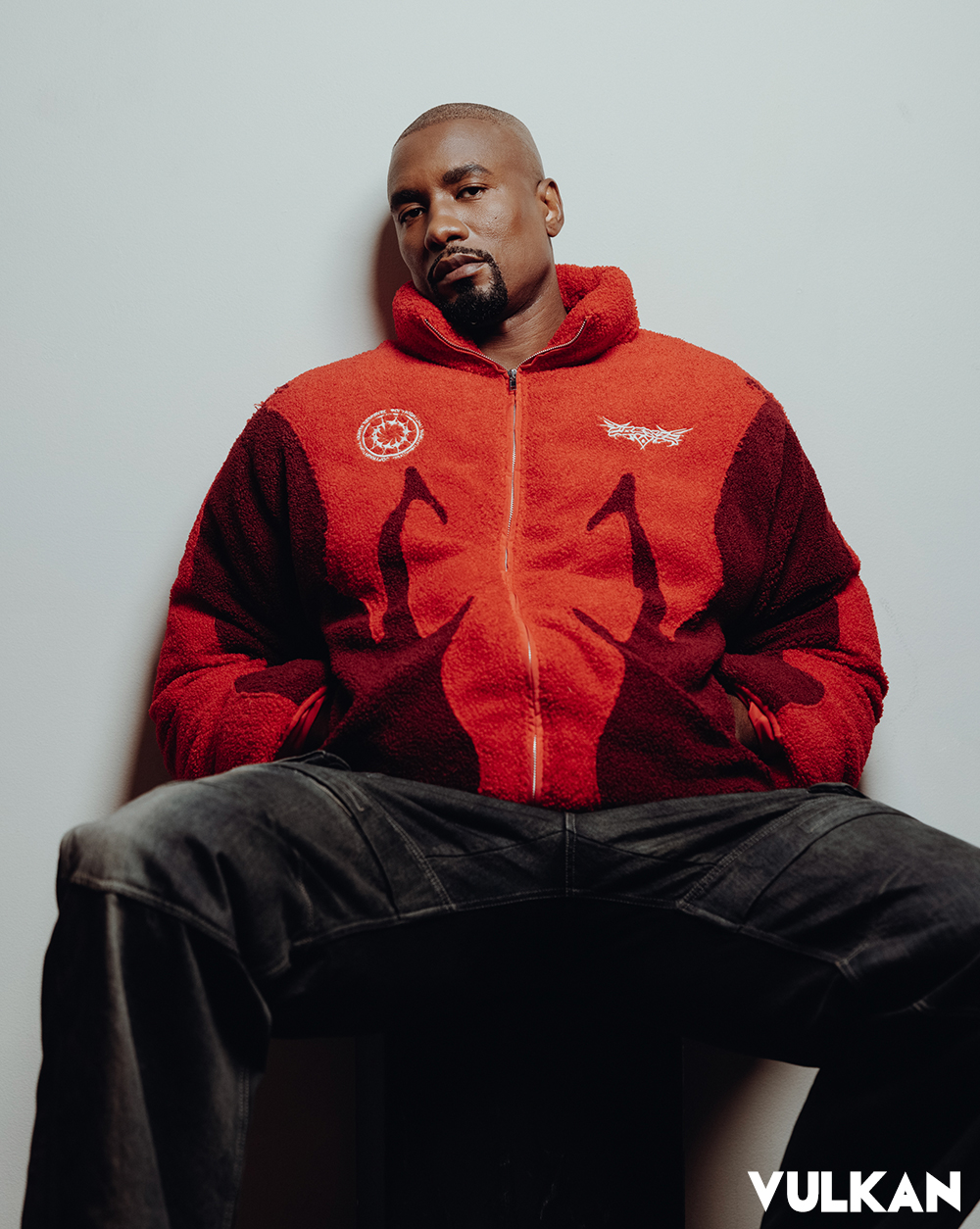
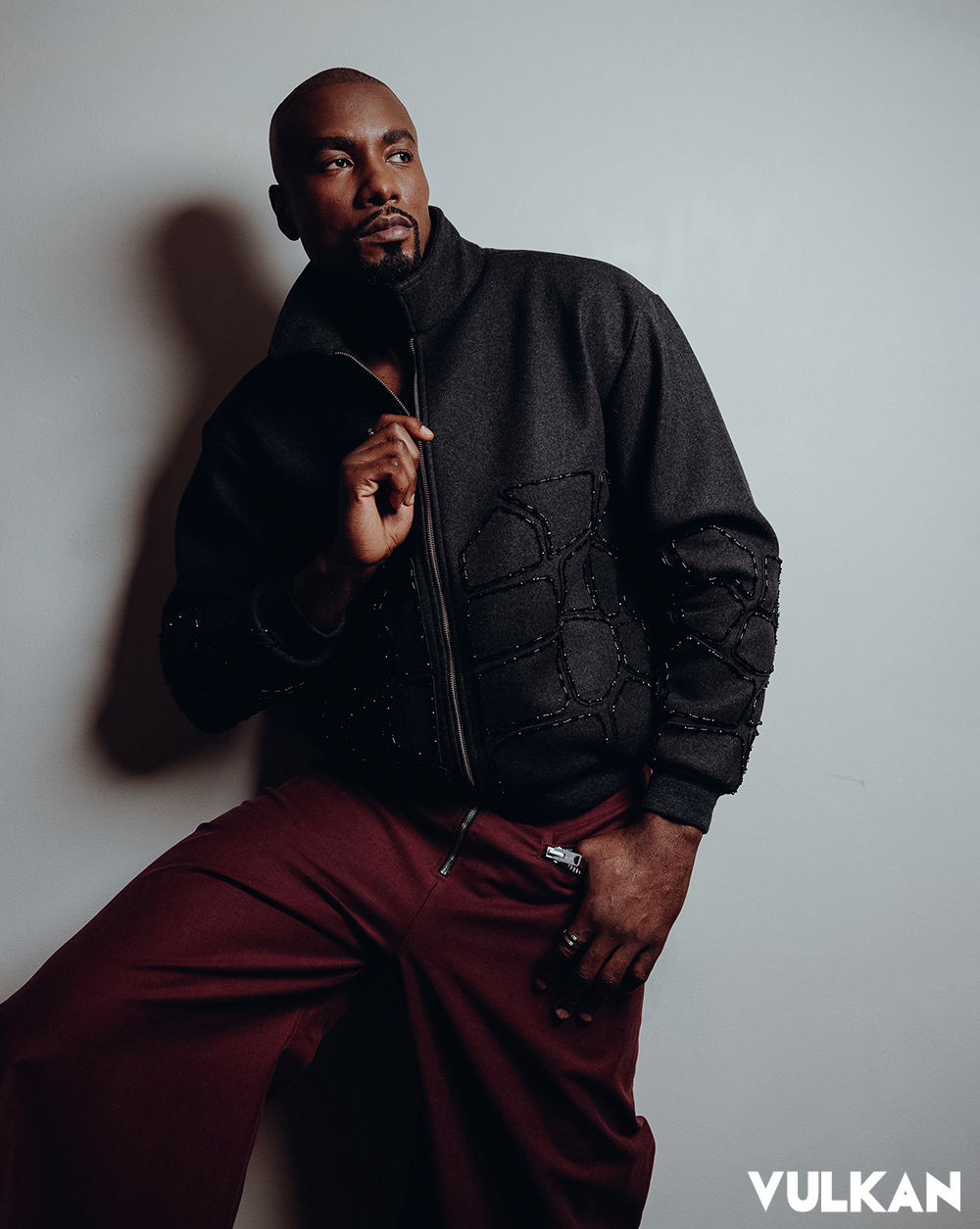
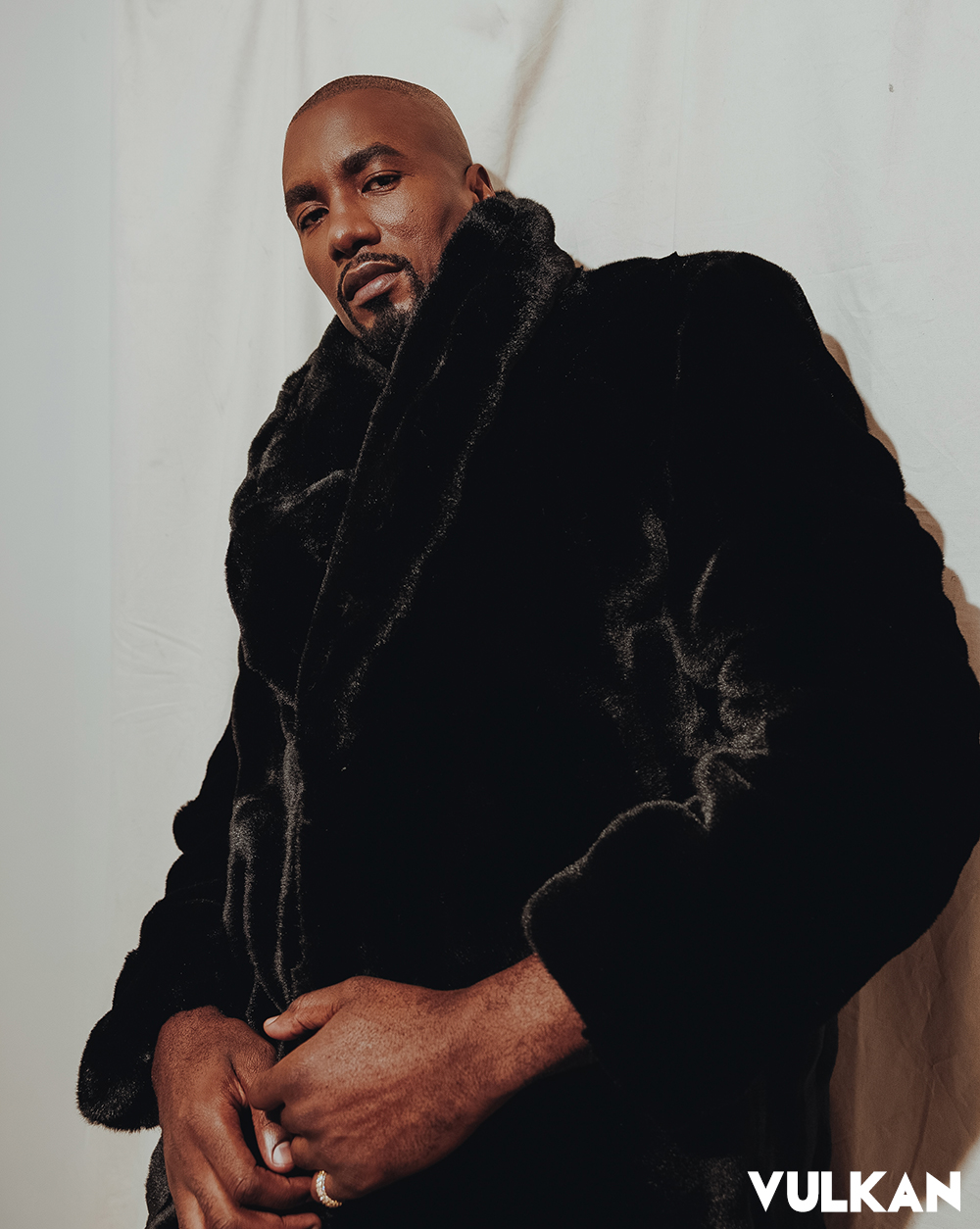
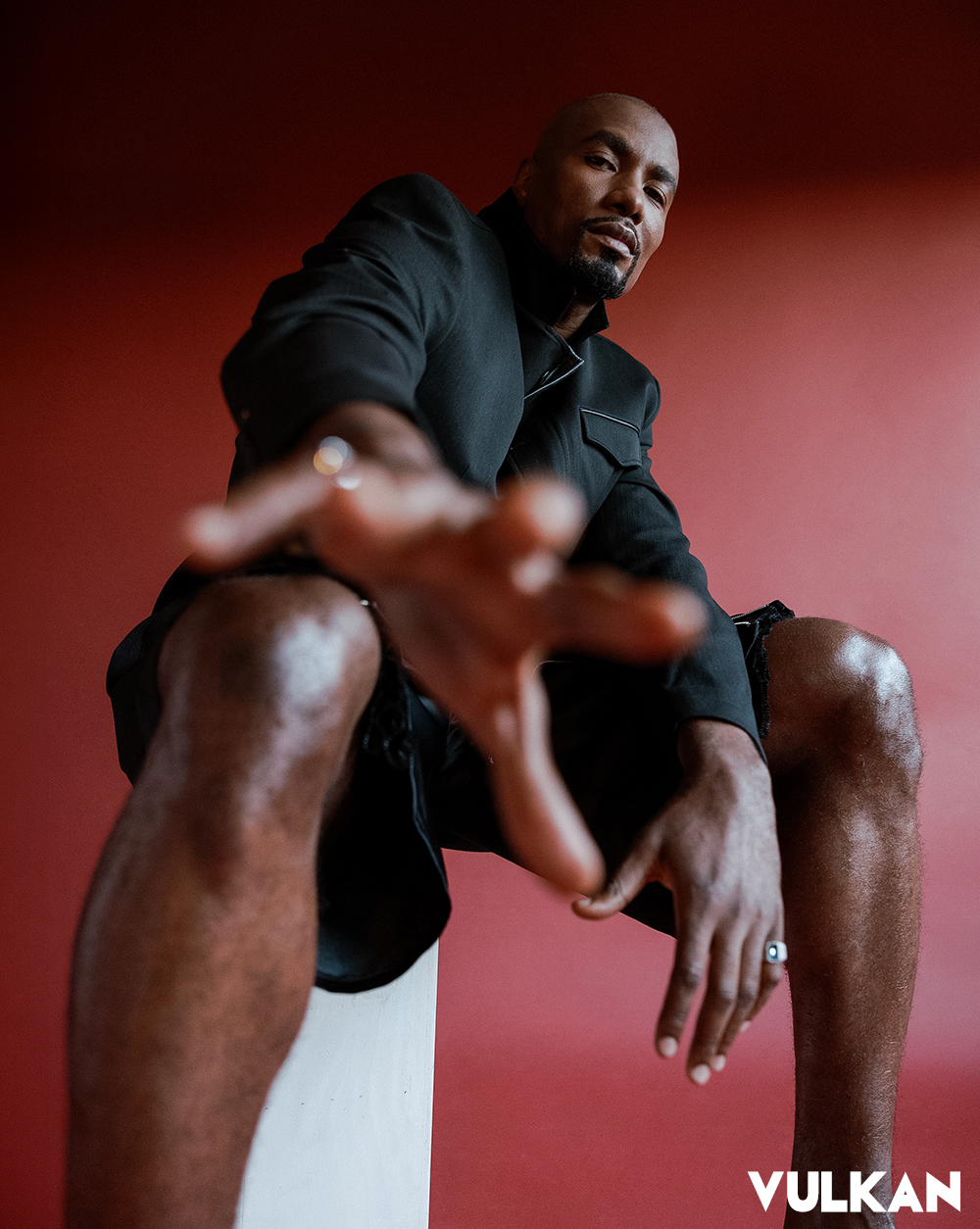
From the NBA to music, fashion, and philanthropy, Serge Ibaka’s world is fueled by more than just success, it’s about origin, discipline, and meaningful impact. We had an incredible time shooting with him for Vulkan Magazine, capturing not just his presence, but his energy, style, and charisma. Currently, Serge is keeping busy on multiple fronts: he just dropped a new music video and single, “Remise en Question” with L2B and Dany Synthé (watch here), he’s back filming his cooking show “How Hungry Are You?”, continuing his fashion projects, and training daily as he focuses on returning to the NBA. Sitting down with Serge gave us a glimpse into the drive behind it all, his routines, his creative pursuits, and the mindset that keeps him moving forward.
Photography: Steve Limones @stevelimonesphotography assistant Nick Ahmet @nick_Ahmet
Styling: AmbiKa “B” Sanjana @styledbyambika
Grooming: Nikki Lin @_shiqing_ @kellyzhangagency assistant Natalie Langford @natalielangfordartistry
Special thanks to Spicer PR @spicerpr
Production + Location: @bellomediagroup @maisonprivéepr_la
For Ibaka, it all begins long before the spotlight. His relationship to basketball was never accidental, it was inherited, almost inevitable.
“I started playing because my mom and dad used to play. I was born and grew up in a basketball family. Since I was seven, my dad really pushed me, making sure I had sneakers, motivating me. And then… when it’s your destiny, it’s going to happen. I feel like it was God’s plan.”
That sense of destiny is matched by discipline. Behind the ease he projects on and off the court lies a structure built on consistency and control, a routine that anchors him no matter where he is in the world.
“Yeah, I have a routine. I always eat the same meal, go to bed at a set time the day before, drink a certain amount of water. And music, I listen to something that motivates me. My song ‘Champion’, it reminds me where I come from and how hard I worked.”
Yet success, in his world, is not defined by visibility. What matters most exists beyond public recognition, in the quiet impact he creates for others.
“For me, the biggest achievement is not what people see. It’s about giving opportunities to others, changing people’s lives. Basketball gave me access, and now I can use that to help others. That’s bigger than anything.”
His identity moves fluidly across cultures, something that reveals itself even in the smallest, most instinctive moments. Language, for Ibaka, is not fixed, it shifts with emotion and environment.
“It depends. Sometimes Lingala, sometimes French, Spanish, English… it just comes out. If I’m frustrated, it can come out in Lingala without me even knowing.”
Even his dreams follow that same rhythm, shaped by memory and place.
“It depends where I am in the dream. If I’m with my family in Congo, it’s Lingala. If I’m in Spain, it’s Spanish. In Paris, French. It really depends on the moment.”
Paris, in particular, remains a meaningful anchor, not just culturally but personally.
“Paris for sure. There’s a big Congolese community. My favorite dish is Saka saka, it’s cassava leaves. So good.”
Style is another extension of his identity, practical yet intentional. For someone of his stature, fashion is not always straightforward, but certain cities offer the freedom to explore it fully.
“New York and LA. Because of my height, it’s not easy to find things, but in those cities I know I’ll find something.”
His references are clear, rooted in precision and understated confidence.
“When it comes to suits, David Beckham. I like how he puts everything together. For everyday style, I just like people who know how to dress well, casual but clean.”
Beneath the surface, however, everything circles back to something deeper. His foundation, his drive, his sense of purpose are all tied to personal experience, to loss, and to the need to transform that into something meaningful.
“It was always my dream to give back. I lost my mom when I was seven, so I know how hard it is for kids without parents. When I give back, that’s when I feel peace. That’s real power, changing someone’s life.”
Music, like basketball, feels less like a pivot and more like a natural extension of who he is, shaped by culture and instinct.
“Where I come from, Congo, music is part of the culture. I always had ideas. I started by giving ideas to artists, and the songs became big. Then I said, why not do it myself? Now I have my own label and I’m creating my own music.”
Now, as his world continues to expand, his focus shifts outward once again, toward building platforms for others.
“Now it’s about helping young talent. I just signed my first artist, she’s 22 and amazing. I want to give opportunities to others and help them achieve their dreams.”
At the center of it all, beyond the careers, the ventures, and the visibility, his message remains grounded in something simple and unwavering.
“Anything is possible. I always say that because I come from where those kids come from. People told me it was impossible but it’s not true.”