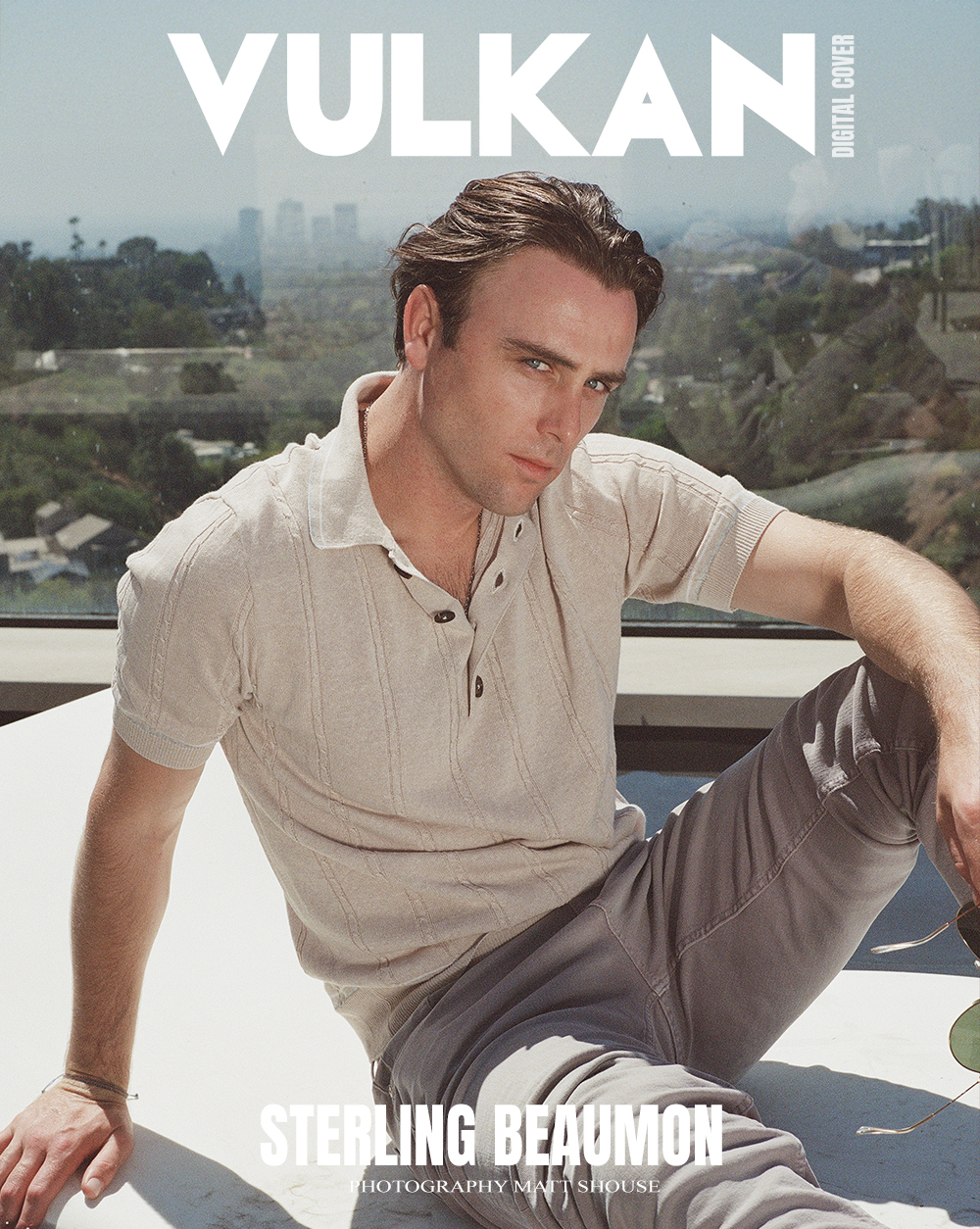
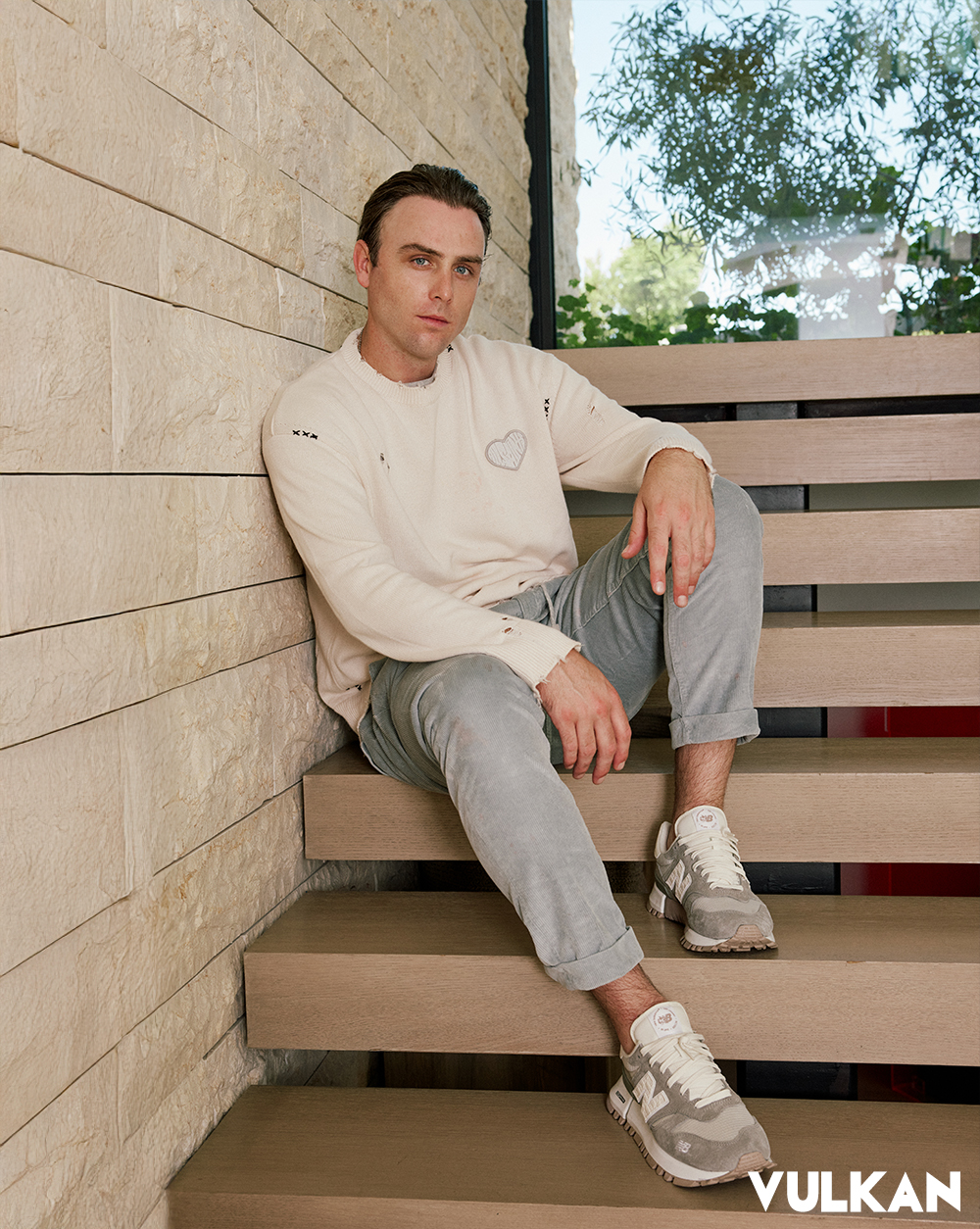
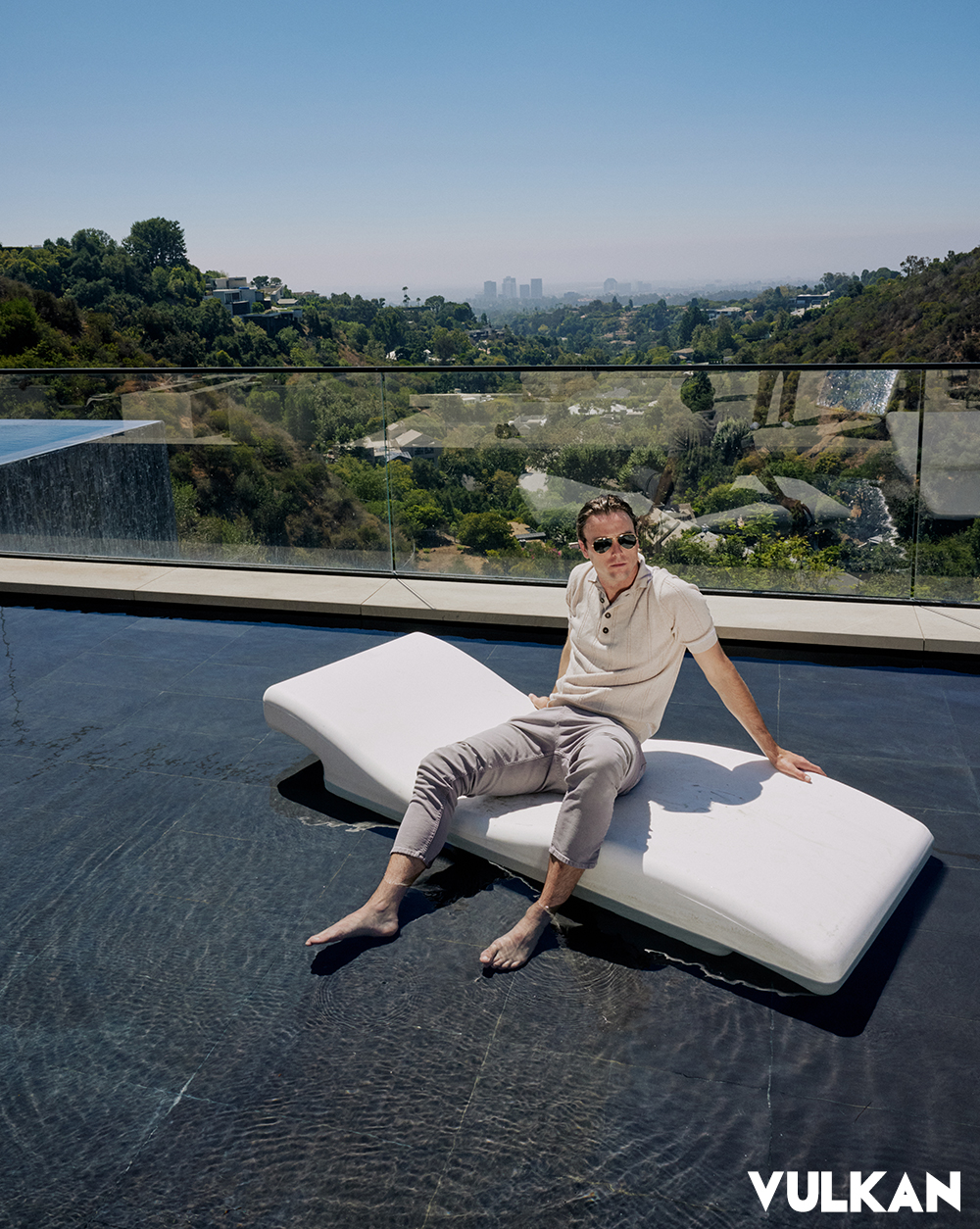
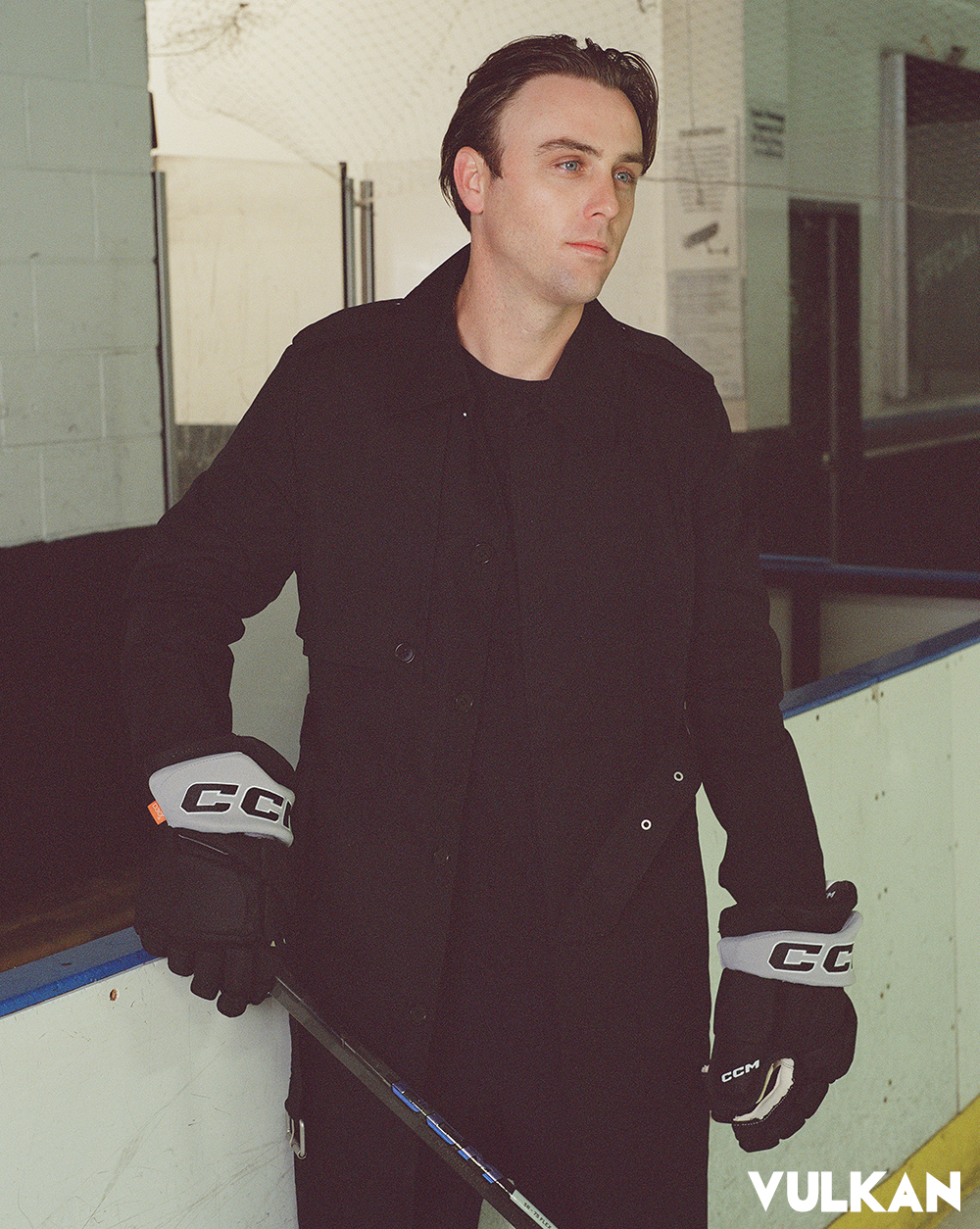
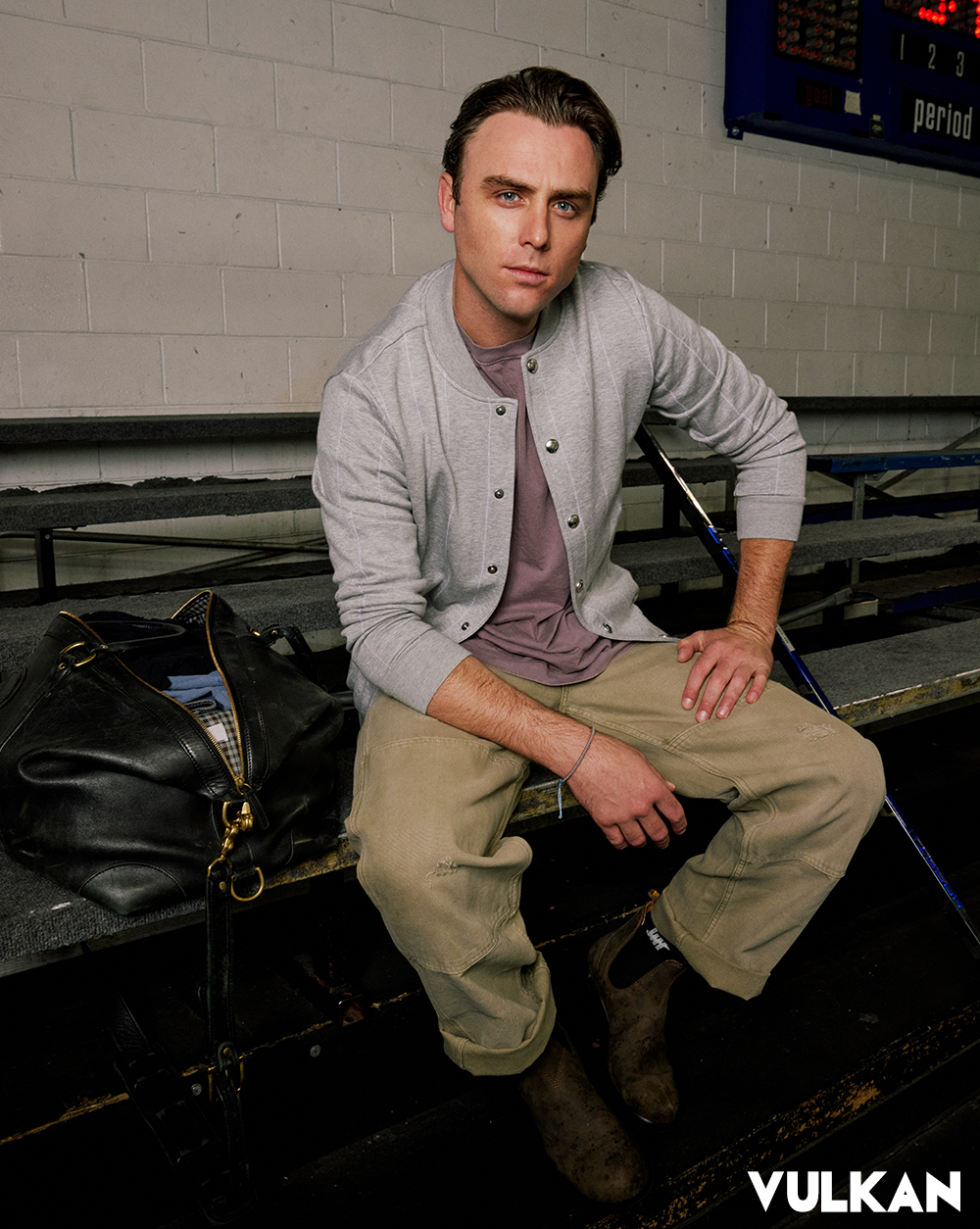
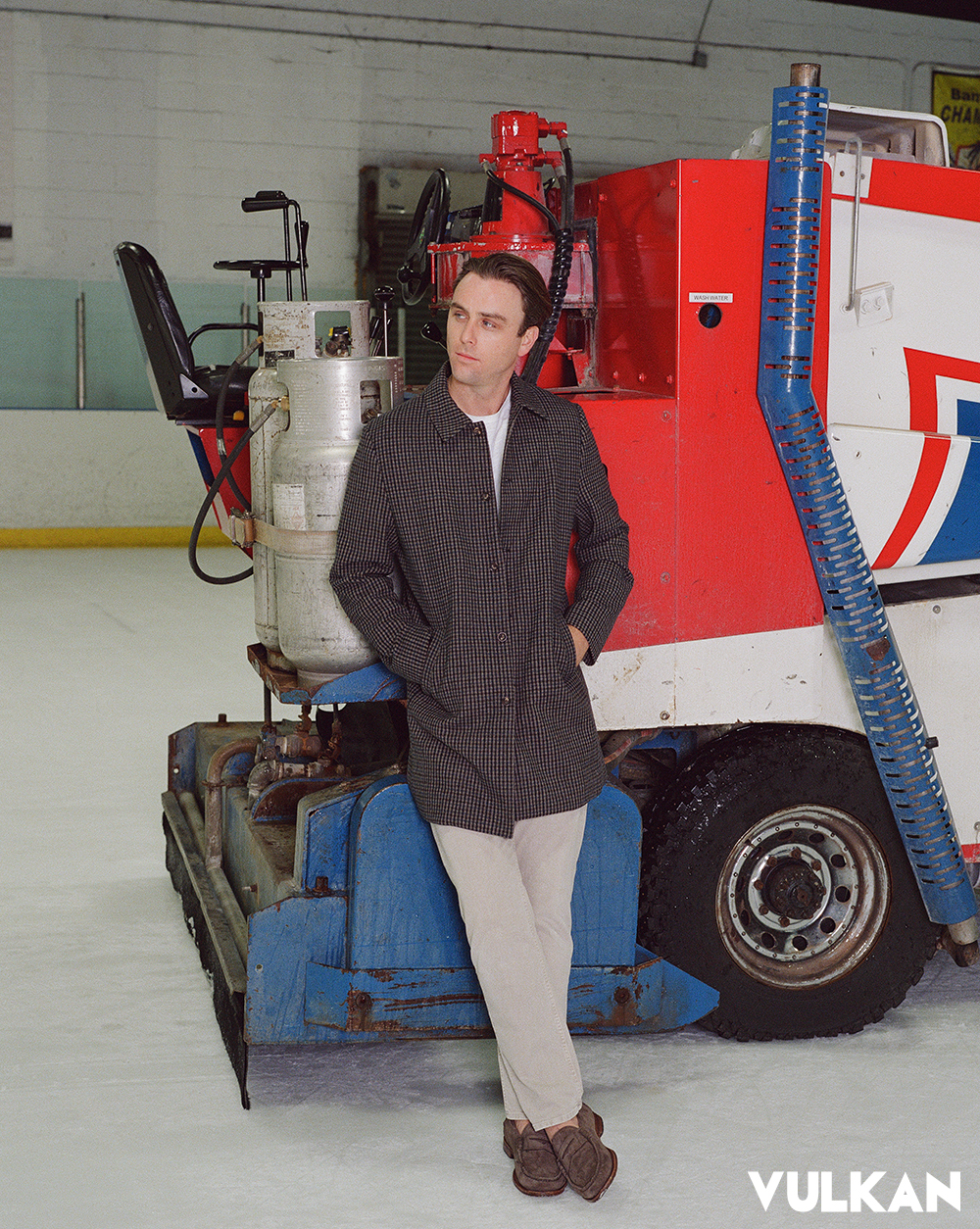
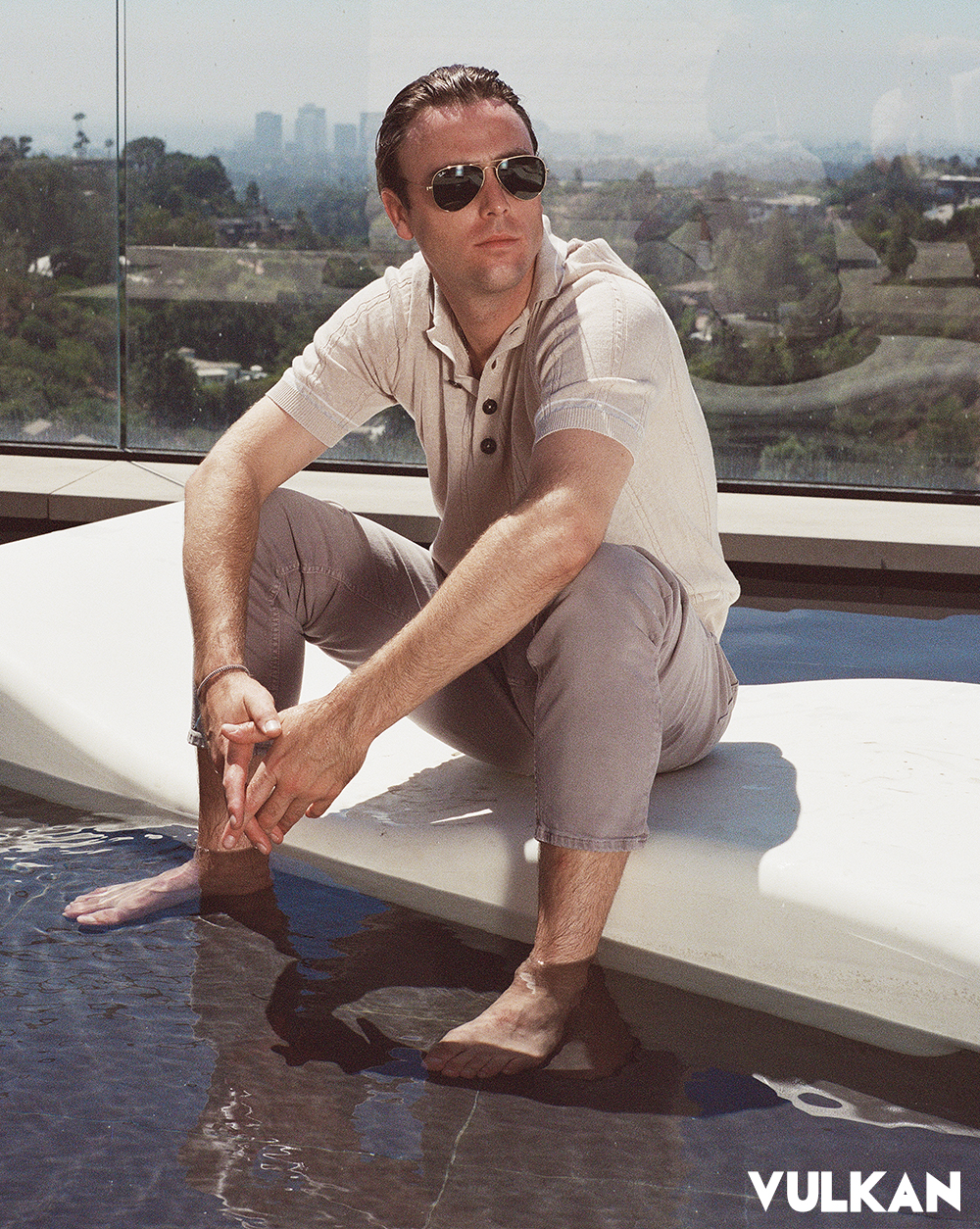
Sterling Beaumon has lived nearly his entire life in front of the camera, but his evolution reaches far beyond the roles that first introduced him to the world. From prestige television to emotionally charged independent films, he has built a career driven by intention, intensity, and craft. Today, he stands at a new crossroads, shaping stories with a clarity that reflects everything he’s learned along the way.
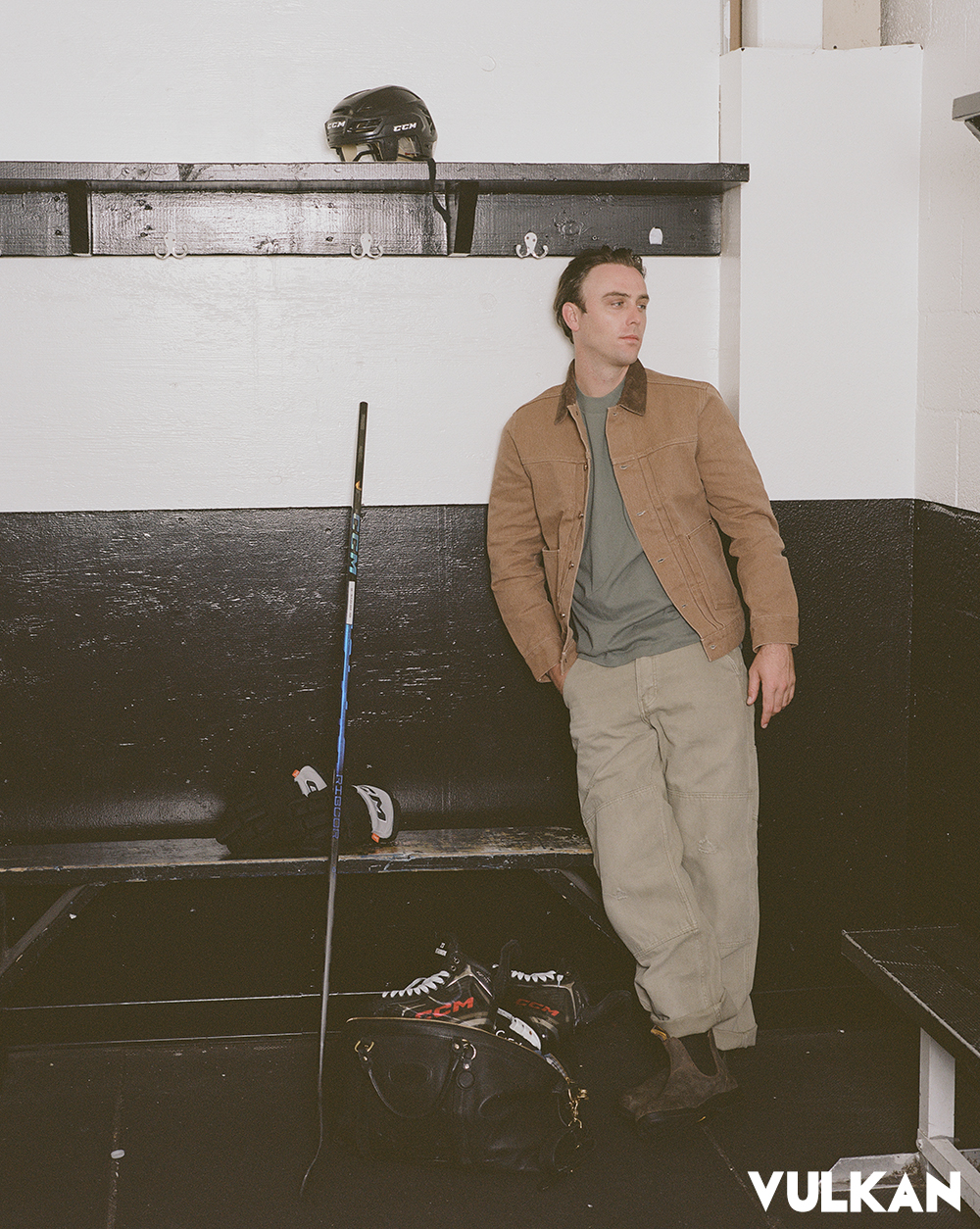
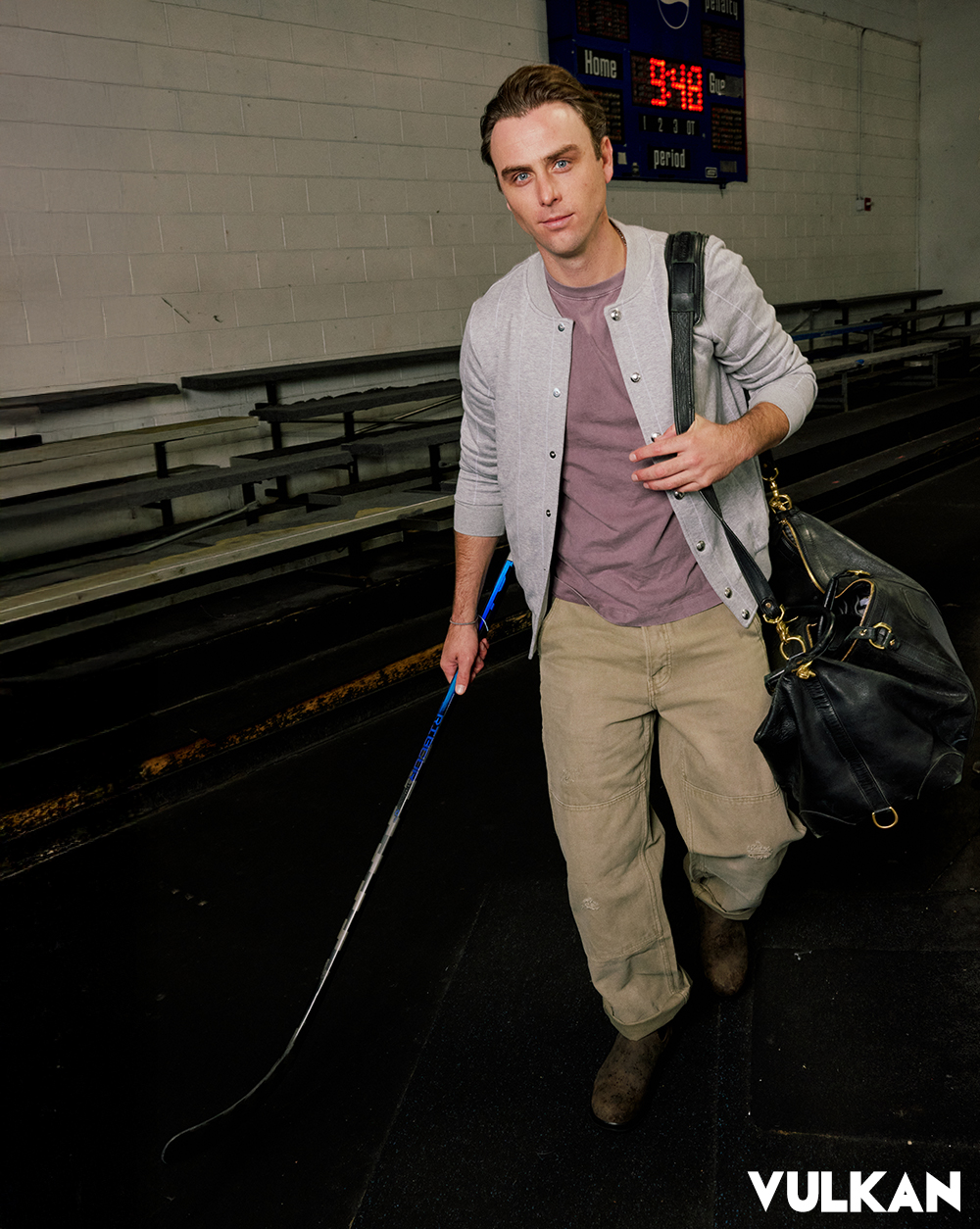
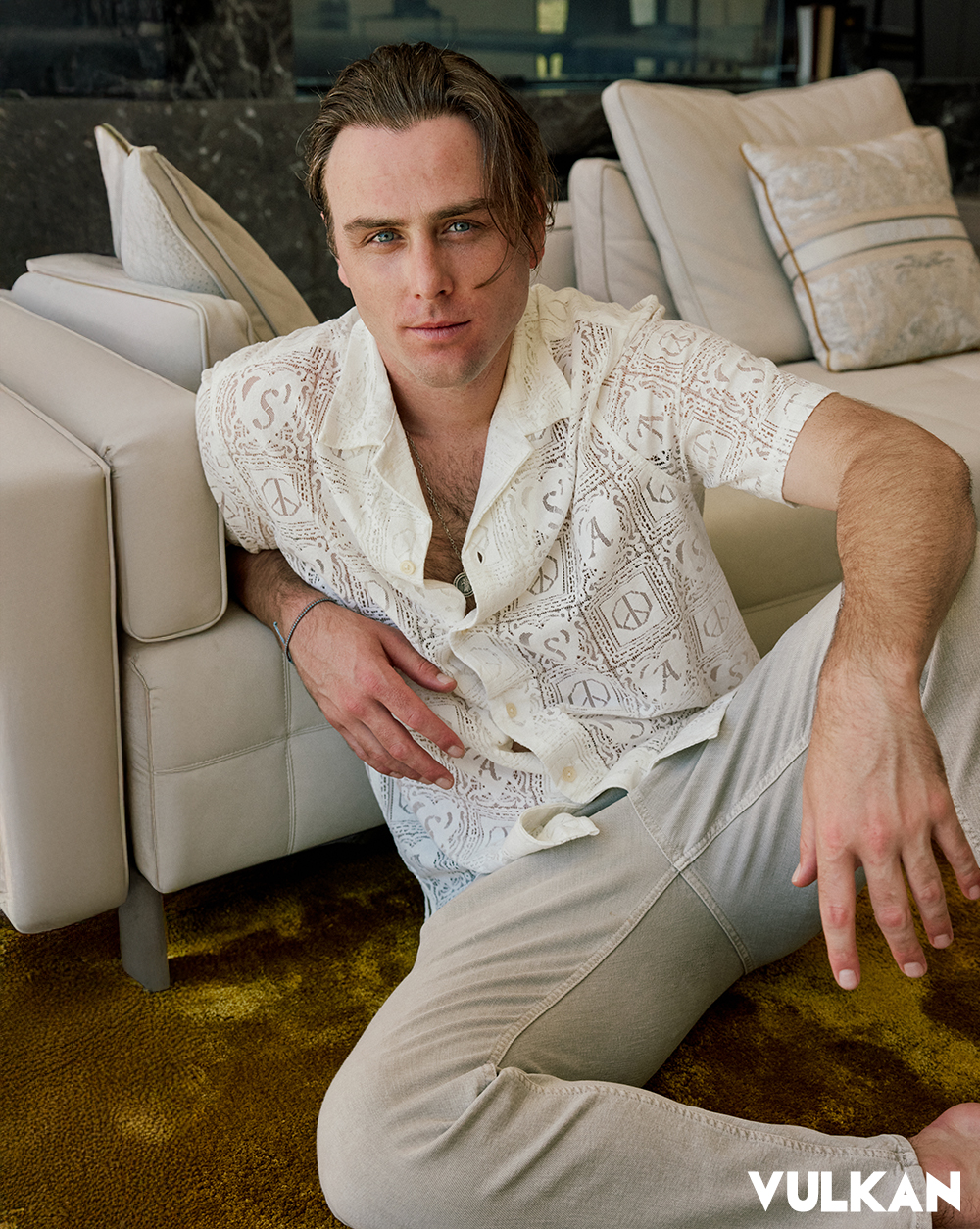
Photographer: Matt Shouse Stylist: Macey Wilkerson Ice Rink Location: LA Kings Valley Ice House Location: Meme House
You started acting at a very young age and quickly became known for your work in ‘Lost’ and ‘The Killing’, two series that defined an entire era of television. When you look back, what do you remember most about those early experiences?
Both Lost and The Killing are some of the projects I’m most proud to have been a part of. Lost changed my life forever. It gave me a career. And The Killing was one of those shows the industry really fell in love with. It kept coming back after getting canceled because it was just that good. Being part of such prestige television so early on allowed me to build my pedigree in this business and have the kind of foundation that keeps me working today.
Many actors struggle to transition from child or teen roles into more mature characters, but you seem to have done it with incredible balance. Was that a conscious decision, or did it happen naturally as you evolved personally and creatively?
It hasn’t always been easy. It’s always a struggle to change the perception of how people see you. Fortunately, I was lucky to land some pretty heavy roles even as a kid, which allowed me to flex more range than most get the chance to at that age. That helped tremendously when it came time to transition into adult roles. I didn’t have to convince people I could handle more difficult material, they had already seen it.
You’ve appeared in fan-favorite episodes of Criminal Minds and Law & Order: SVU. How did those roles come about, and what did they mean for your path as an actor?
Both of those jobs hold a special place for me. Criminal Minds was actually written specifically for me, and SVU came to me as an offer because the producers and writers were fans of Lost. That kind of thing is a great reminder of how this industry works, one project can lead directly to the next. You never know who’s watching your work or where it might land you. I think that’s why I’ve always tried to show up fully prepared, even for a single role, because those are the performances that sometimes open the next door.
In ‘Criminal Minds’ and ‘Law & Order: SVU’ you played psychopathic killers . Do you enjoy exploring darker, psychologically intense characters, or do you prefer roles that challenge you in a more emotional or human way?
Criminal Minds and SVU are rite-of-passage shows for a lot of actors. You see so many massive stars who once did an early guest spot. For me, those episodes gave me a chance to really go deep with a character, even if it was just for one episode. That pressure to deliver something full and human in a short window shaped how I approach every role.
I’ve always been drawn to darker roles because I think there’s usually more meat on the bone. One of my favorite things is finding the humanity in someone who, on the surface, looks like a villain. I love asking the question: why are they the way they are?
Beyond acting, you’ve built a solid path as a producer with projects like ‘Don’t Log Off’, ‘Confession’, and most recently ‘The Third Parent’, starring Crispin Glover and Rob Lowe. What inspired you to move behind the camera, and how has that perspective changed your relationship with storytelling?
As an actor, you’re not in control of your fate. You bounce from audition to audition, hoping you’re the guy. And even when you land the job, your role is to show up, do the work, and let the creative team take it from there. Producing is different. I get to wake up every day and actively build something. I can pick up the phone and actually move a film forward.
When I was younger, I didn’t always understand the bigger picture of how a film gets made or how I fit into it as an actor. Producing gave me that clarity. It’s made me a better actor, a better collaborator, and honestly, a better storyteller overall.
‘The Third Parent’ dives into horror through a psychological and almost mythological lens, inspired by the viral “Tommy Taffy” story. What drew you to that material, and how was it working with such an iconic cast?
The Third Parent being based on the most successful creepypasta out there made it instantly exciting. There’s already a built-in audience hungry for this kind of story. I was fortunate to be brought into the project by Gary Michael Walters, who has been a great mentor.
I had known about the film before I officially came on board, and when Gary called me, I didn’t hesitate. I was all in. It was a chance to be a part of something bold and creepy and to get hands-on with physical production.
You’ve also been working on ‘Shattered Ice,’ a New England hockey drama, and producing ‘Mental Miles,’ a documentary about mental health in sports. What motivated you to take on these two projects that both explore resilience in their own way?Both Shattered Ice and Mental Miles explore mental health within the hockey community, which is something that means a lot to me personally.
In Shattered Ice, I play Danny Campbell, a character who you believe is the man. He’s confident, talented, magnetic, the kind of guy you expect to follow for the rest of the film. Then he takes his life by suicide, and everything changes. The story becomes about the aftermath of that loss, told through his best friend Will, played by Charlie Gillespie. Through flashbacks, you get to see who Danny really was and how good he was at hiding what was wrong. That’s what makes the film so powerful. It forces you to sit with the idea that sometimes the people who seem the most put together are the ones struggling the hardest.
Mental Miles tells the true story of former NHL player Stephen Johns, whose career ended after a concussion. He fell into a deep depression and attempted to take his life more than once before finding a new sense of purpose. He decided to rollerblade across America to raise awareness for mental health, inspired by Mike Posner’s “Live Before I Die” video. His story is about pain, perseverance, and finding light again.
Both projects are about resilience and about how people deal with the unseen battles behind the surface. Hockey has given me so much in my life, and I’ve also seen how the culture around it can make vulnerability feel like weakness. These films are my way of helping change that narrative. I want them to show that real strength comes from being honest about what you’re going through.
‘Mental Miles’ in particular touches on an incredibly important topic — mental health in athletes. What message do you hope audiences take away from this documentary?
That the end of a career doesn’t mean the end of your identity. Athletes spend their whole lives building themselves into something elite, and when that ends suddenly, especially due to injury, it can leave a massive void.
Mental Miles shines a light on what that feels like. My hope is that it encourages people to speak up sooner, to not wait until they’re in the darkest place to ask for help. Awareness is important, but openness is even more powerful.
Did your involvement in both Shattered Ice and Mental Miles come from being part of the hockey community yourself?Absolutely. Hockey has been a huge part of my life for as long as I can remember. It gave me discipline, a support system, and a real escape. So, when these stories came my way, they felt incredibly personal.
For Shattered Ice, my agent at the time sent me the script, and I instantly connected to the material. I reached out to Jake Miskin and worked with him for years to stay attached and help bring the film to life. It took a long time, but I knew it was a story that deserved to be told. I believed in it from the beginning.
With Mental Miles, I met Stephen and just felt this instant drive to help him bring his story to the screen. His experience was raw, honest, and deeply needed in the sports world. I came on as a producer and worked closely with the team on everything from securing NHL licensing and legal clearances to helping Jeff Toates, the director, shape the footage into a full hero’s journey. That story required a lot of care and intention, and I was honored to help craft it.
You’ve built a reputation as a multi-hyphenate creative: actor, producer, writer, even advocate. Do you feel that today’s entertainment industry gives artists more freedom to explore different sides of themselves, or do you think there’s still resistance to that versatility?
Absolutely. The industry has evolved so much in the last 25 years I’ve been in it. Social media has shown that creators are capable of so much more than one job description.
At the same time, the way content is consumed has changed everything. You have to be lean, fast, and sharp. Traditional productions now compete with influencers who can shoot and post a video in a day. That forces everyone, especially multi-hyphenates, to raise the bar and move with intention.
You’ve worked with incredible actors across your career — from Edie Falco to Angus Cloud — and in projects that range from major networks to independent films. What do you value most when choosing a new role or production to get involved in?
Story and creatives. I’ve had amazing opportunities to work with people I deeply respect, and when you’re surrounded by talent that’s hungry and collaborative, it makes you want to level up.
I’m drawn to stories that feel real or risky, and I always pay attention to who’s behind the camera. If the filmmaker is passionate, that energy runs through every department.
Social media has become a powerful tool for promotion, but also a source of pressure for artists. How do you manage your digital presence and mental health in such an exposed industry?Social media is a great tool, and there’s no denying how much it has transformed the entertainment industry. I think it’s completely reshaped the way we view and value content. In many ways, it’s turned content into a commodity.
For me, the biggest toll it takes on my mental health is the way it’s made traditional media feel less valuable. It has pulled back the curtain on some of the magic behind making movies. That sense of mystery and craft that used to surround cinema feels like it’s fading in a world of constant scrolling.
I really hope audiences can start to reconnect with the artistry of well-made, cinematic feature films, and not continue to settle for the brain rot content that dominates the feed.
Looking back at everything you’ve done—from ‘Lost’ to ‘The Third Parent’—what do you think has been the biggest lesson this journey has taught you? There have been too many lessons to count, but patience and humility stand out. I started so young and didn’t always take the advice I was given. I had to learn things the hard way.
Now, I try to soak up all the experience around me. I’ve learned that success isn’t about forcing your way forward, it’s about understanding timing, listening, and being prepared when your moment comes.
What’s one thing people assume about you in this industry that’s totally wrong? And what’s one thing they get right? People often assume I had it easy because I started young, but I’ve had to fight just as hard to keep working, to evolve, to not be boxed into the same roles, and allowed to keep elevating the level of projects I get the opportunity to be a part of. What they get right, is that I care. I really care about the work. I put my heart into every project I touch.
You’ve taken on complex themes like suicide, identity loss, and generational trauma. How do you personally decompress between roles or projects that go to such dark places?
It’s tough. You don’t just clock out and forget the work. It does stay with you when you go home, and for days, weeks, even years after. You dive so deep to have a personal connection to a character and be able to live in their shoes. You can’t just turn that off. For me, hockey is a huge release. Being on the ice clears my head. Balance is everything.
What story do you still feel scared to tell but know you will one day?
There are a few. The one I’m most scared to tell is probably the one that hits closest to my own story. Something that weaves together childhood, dreams, loss, and love. It’s still forming in my head, but I know it’s coming.
And finally, as you step into this new phase of your career, what kind of stories do you still dream of telling, whether in front of or behind the camera?
I just want to keep working with the best talent out there. I’m open to any genre, any format. What matters most is the team. When you’re surrounded by people who care, who want to say something, that’s when the project becomes something worth remembering.