
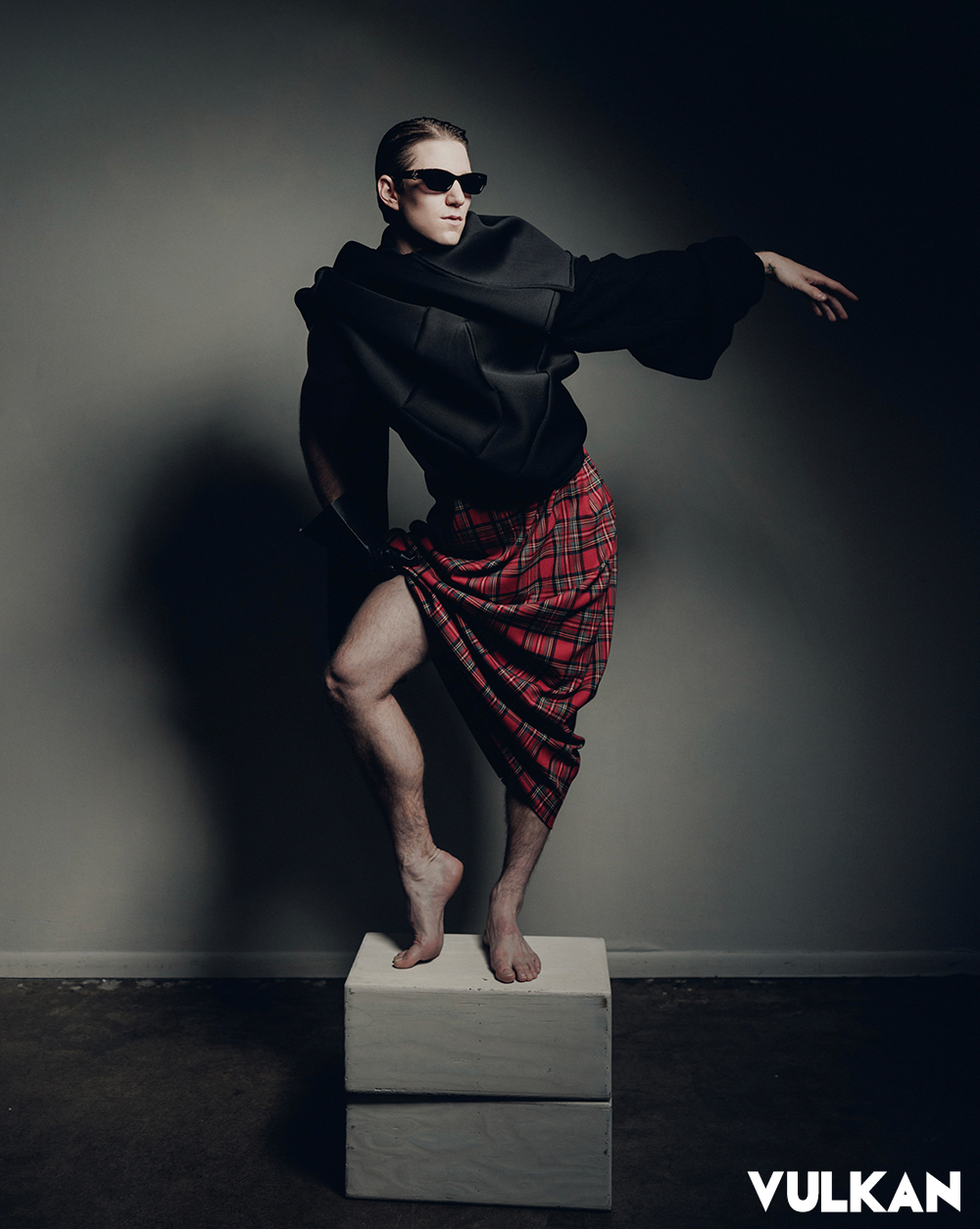
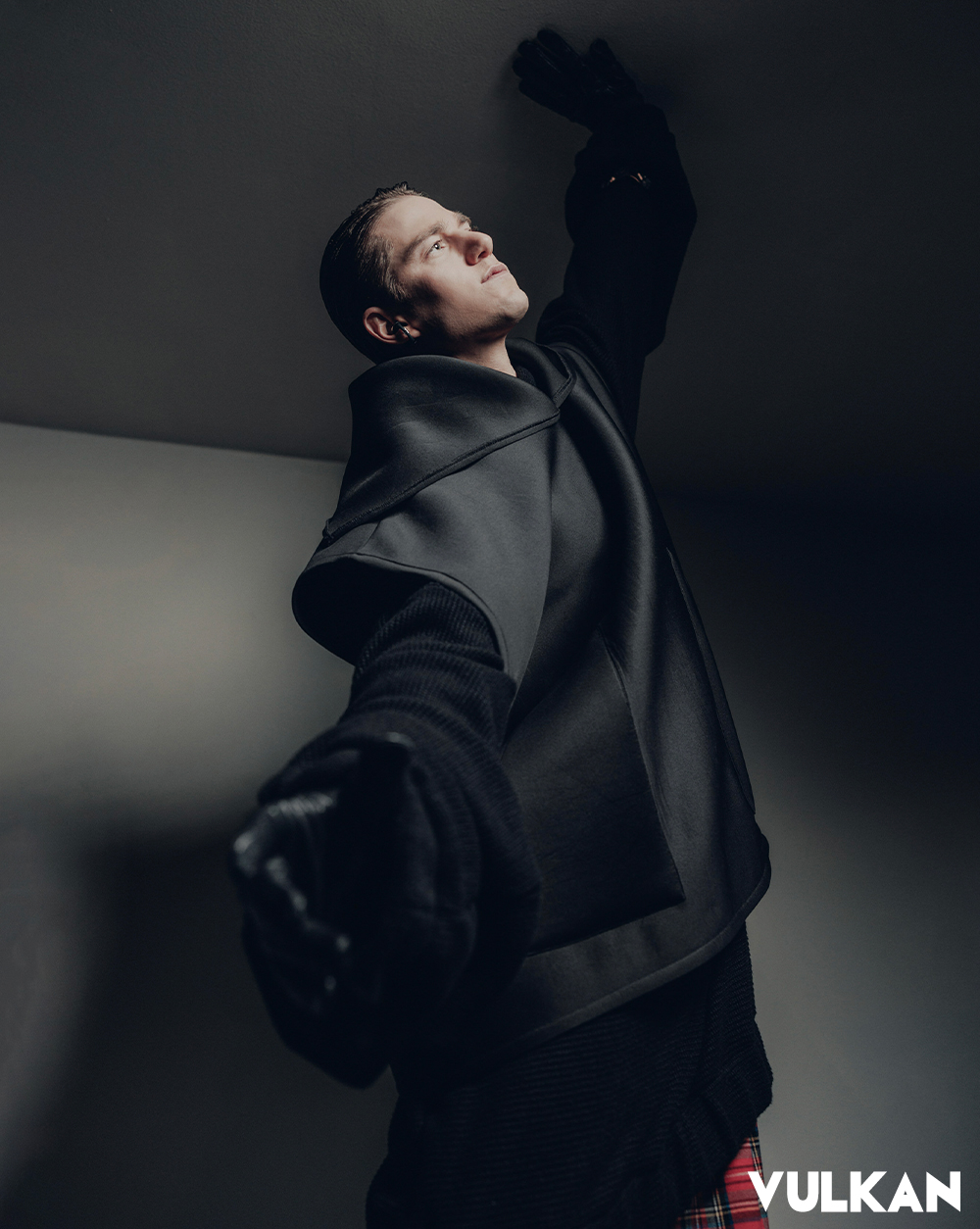
Photography Steve Limones @stevelimonesphotography Photo Assist Nick Ahmet @nick_ahmet Styling Kassandra Bialkowski @kasandrawithak & Kayla Rose @forgottenballerina, Grooming Joanna Faivre @joanna.faivre
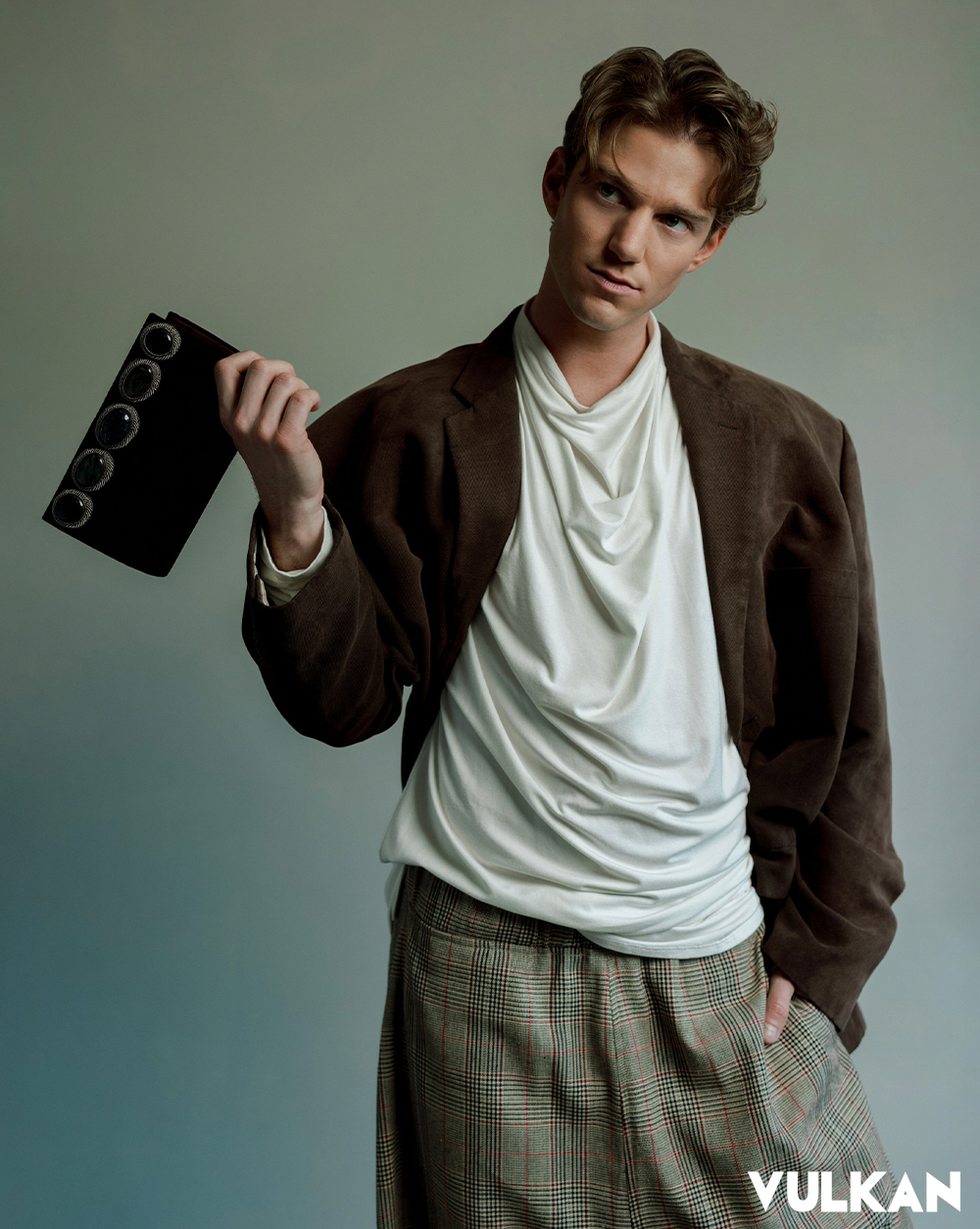
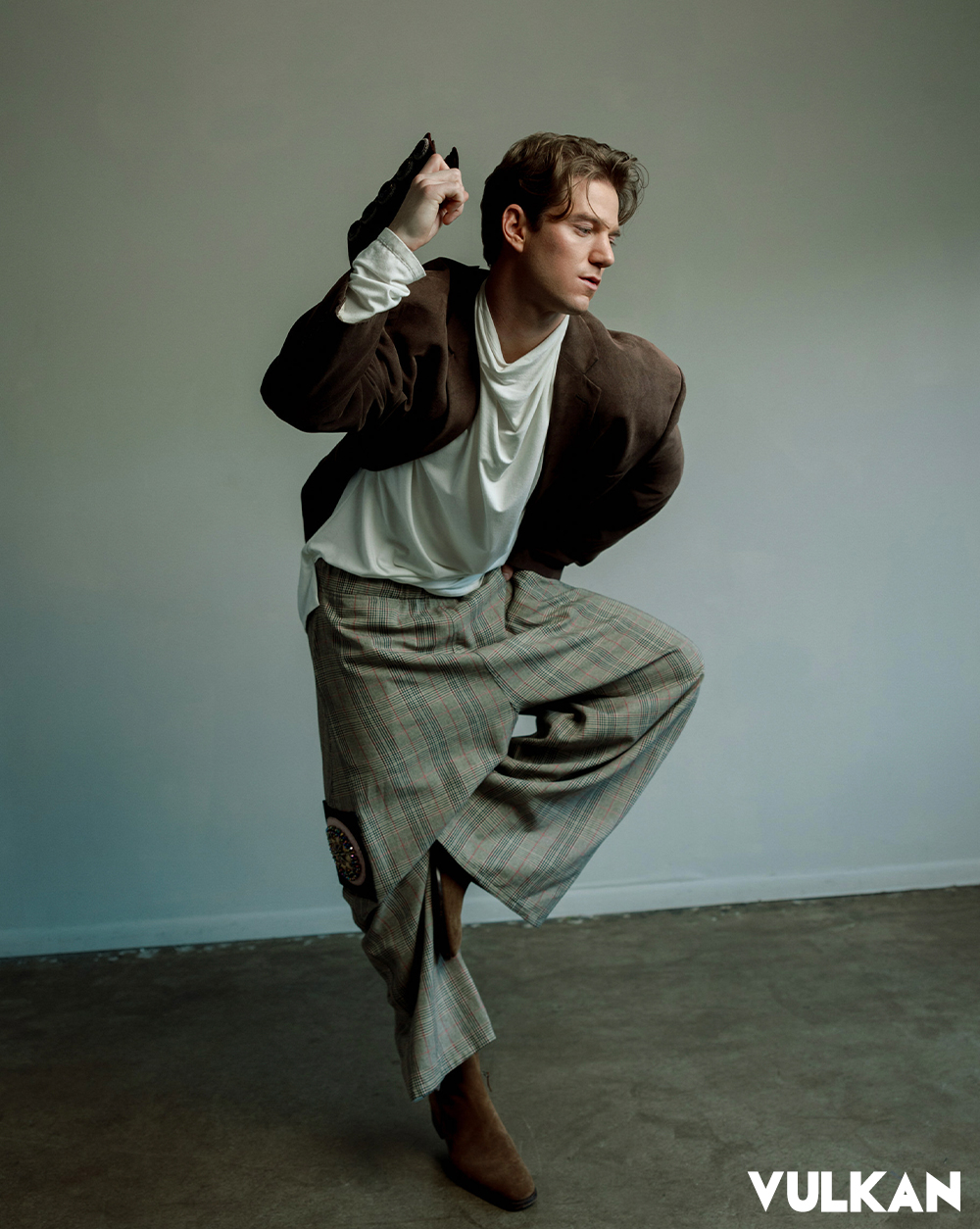
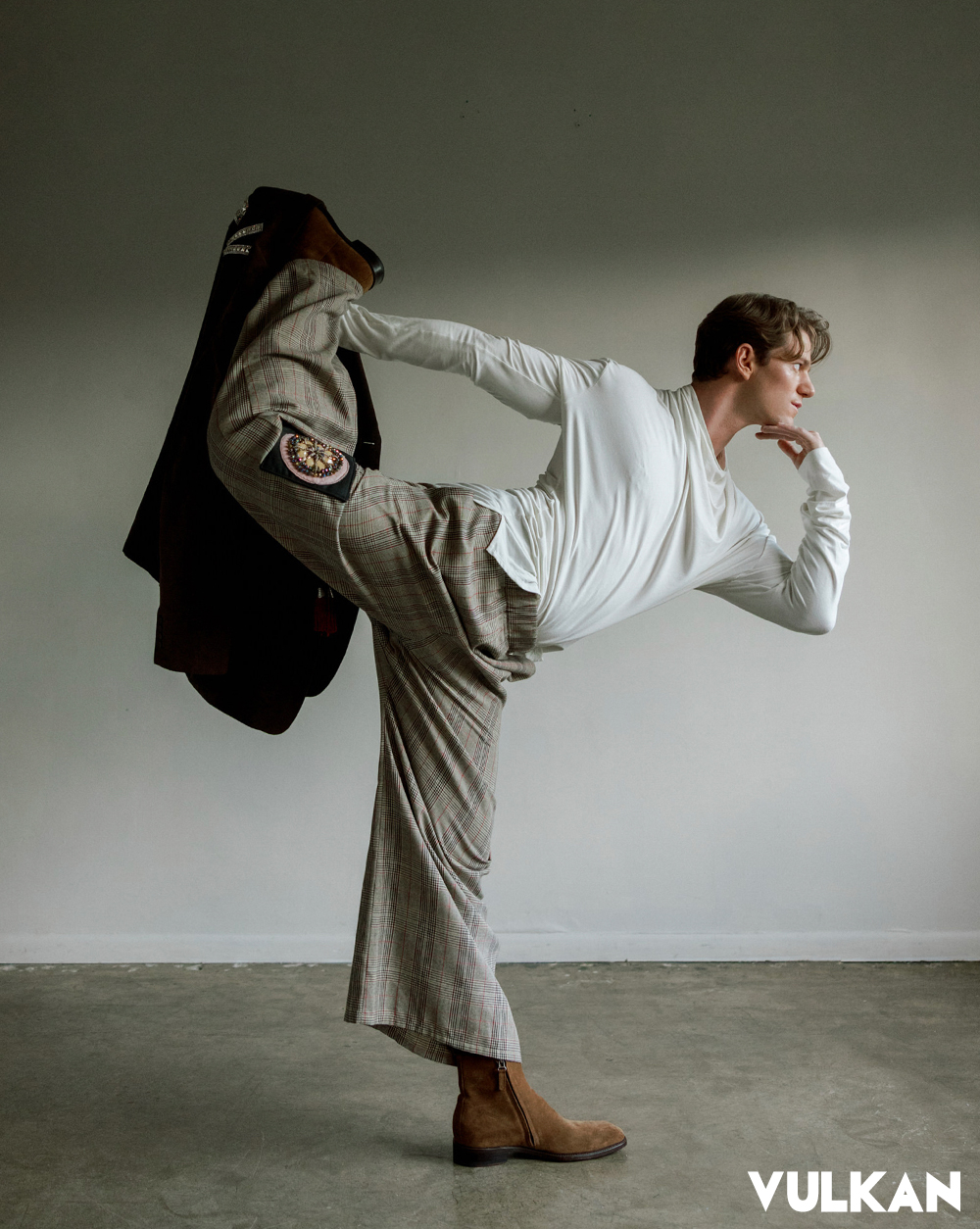
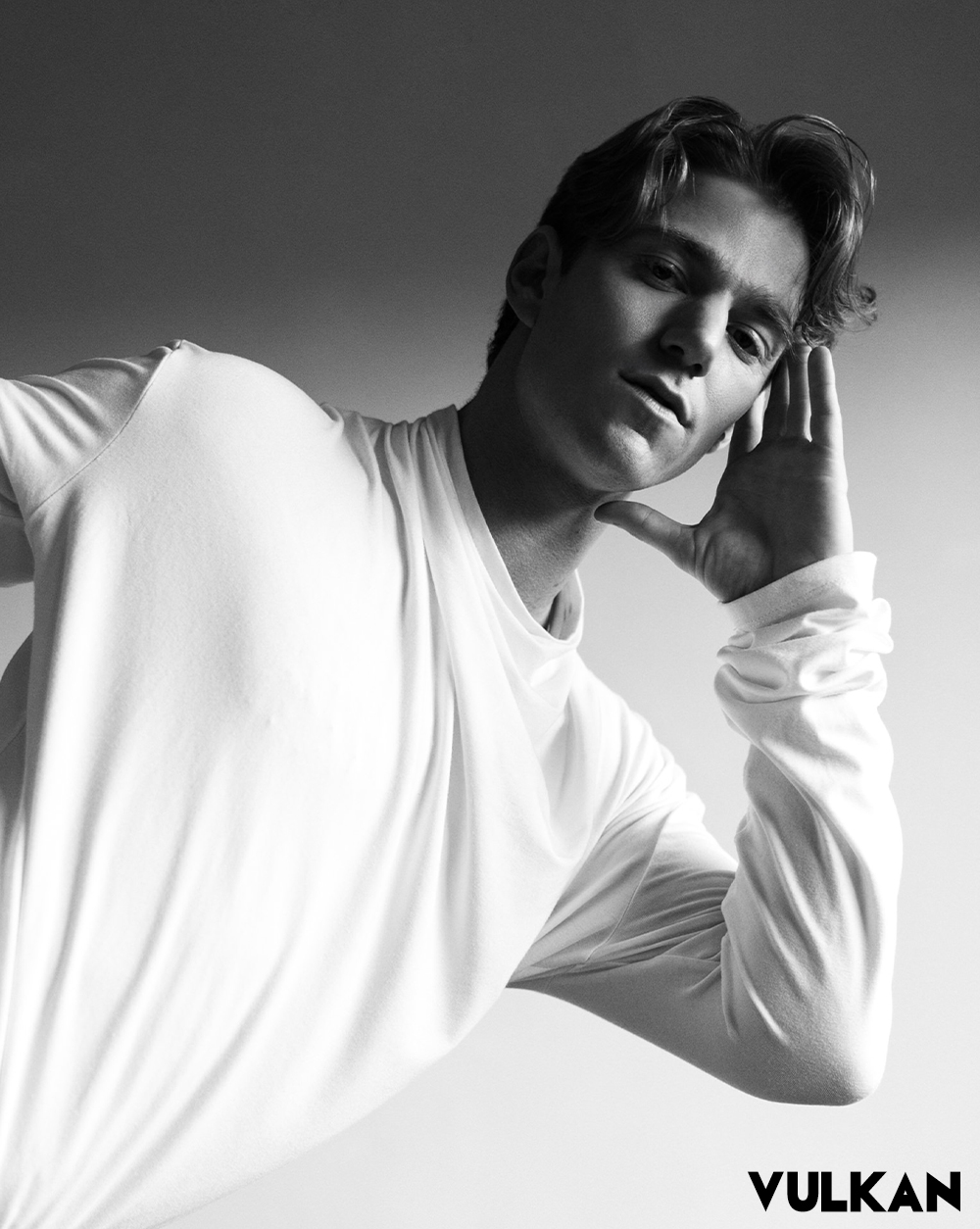
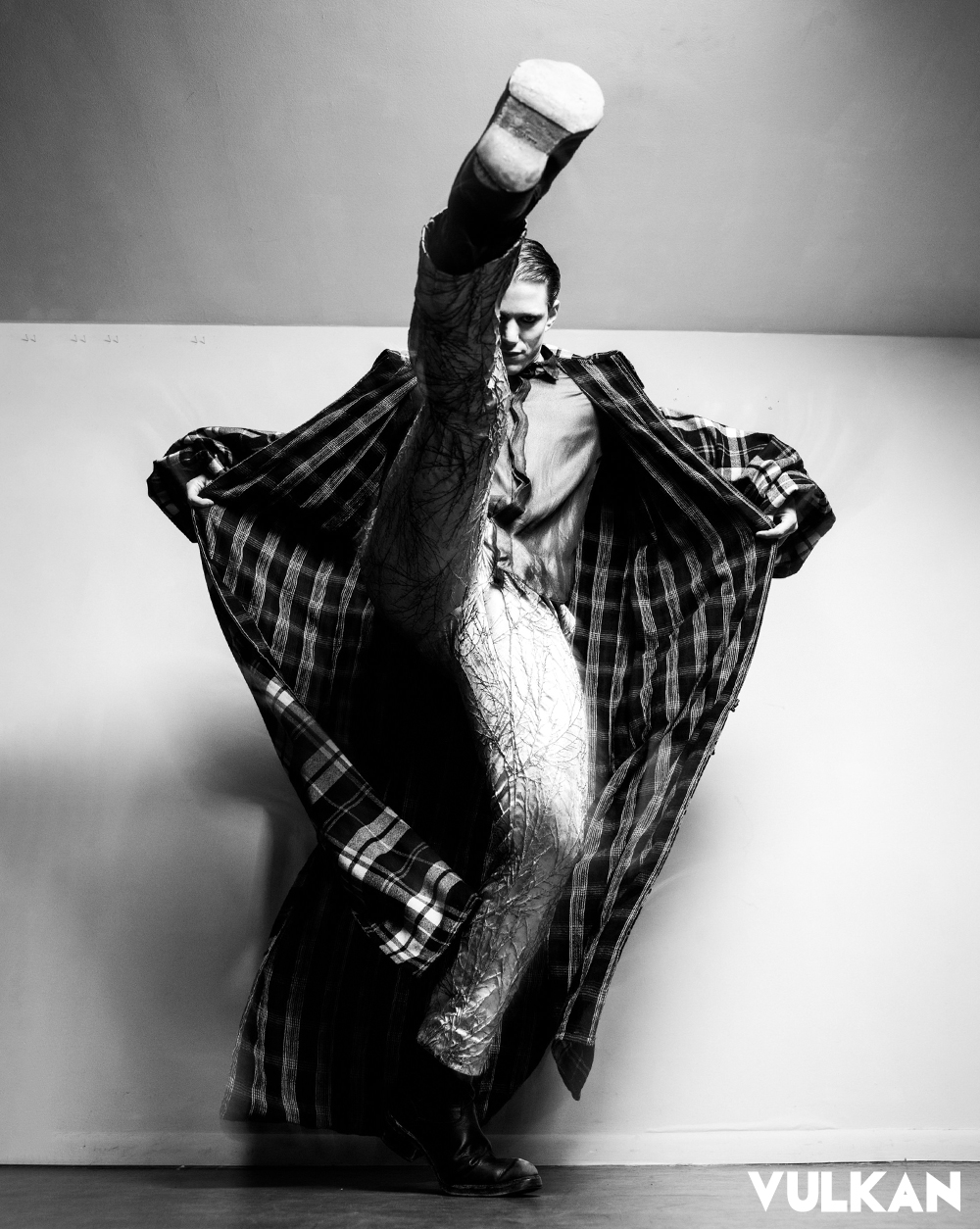
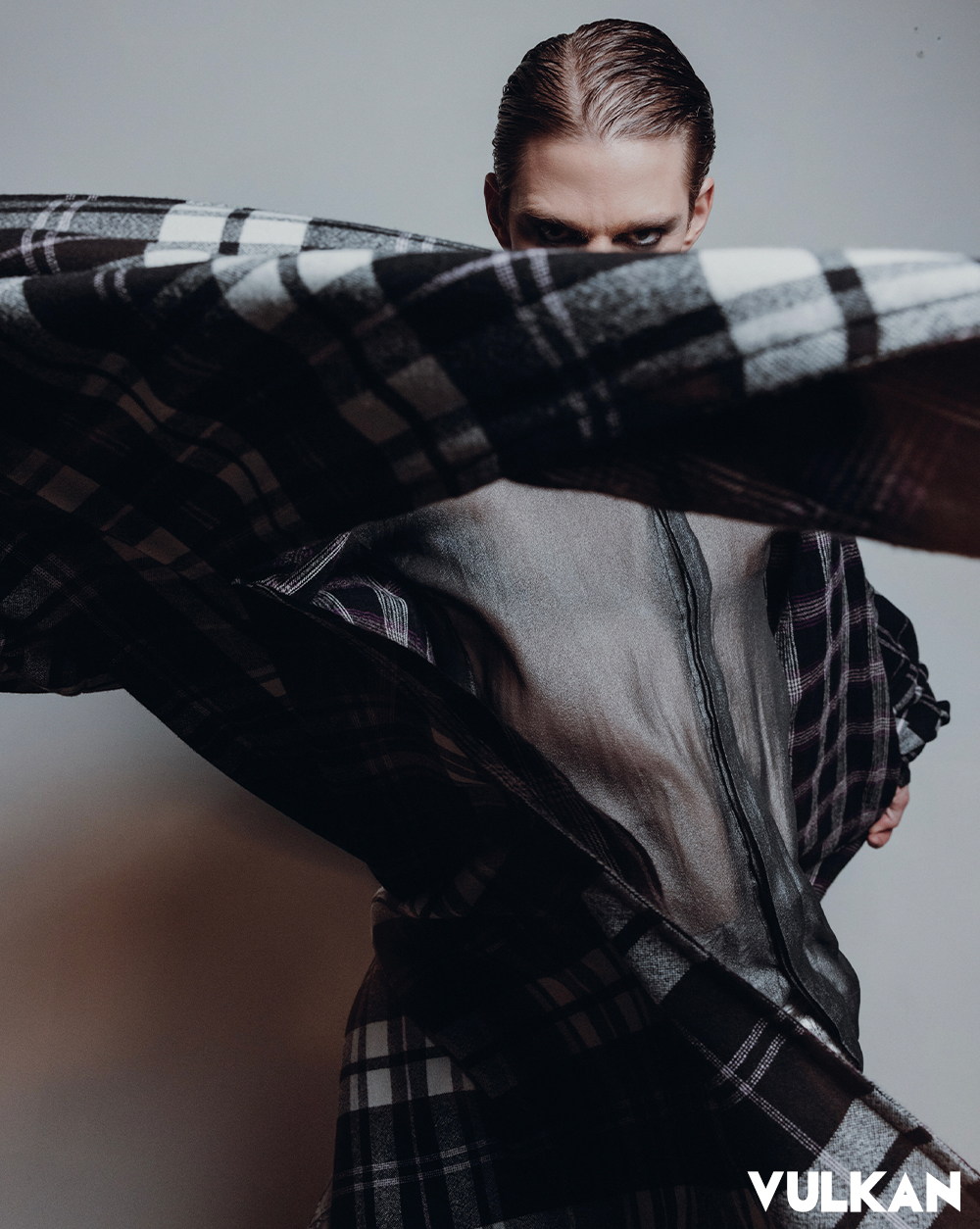
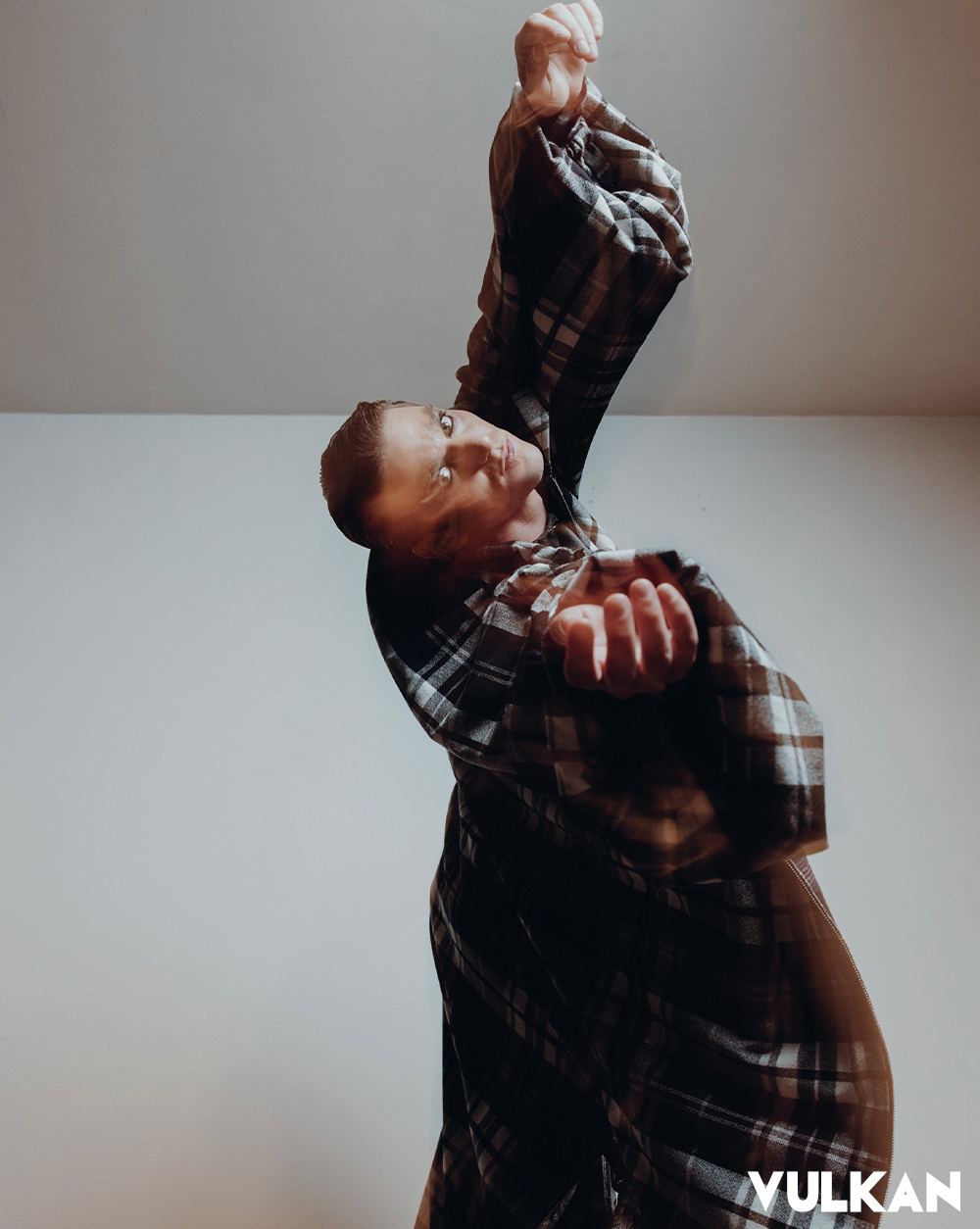
There are performers who move, and performers who mean movement. Nico Greetham lives in that second category, where the body is not decoration, it is storytelling. Before the camera, before the call sheet, before the first take, he belonged to rhythm and impact. The kind of discipline you cannot fake, because it shows up in the tiniest choices: a pause that lands, a glance that hits like choreography, a turn of the shoulders that reads like subtext.
Most audiences first met him through the pressure-cooker clarity of So You Think You Can Dance, where he competed as a contemporary dancer and fought his way into the season’s upper tier while still barely out of his teens. That experience tends to brand people as “dancer first.” Nico did not resist the label. He sharpened it, then used it like a key.
Because the thing about dancers who become actors is this: they already understand stakes. Dancers train inside consequence. You miss a beat, you drop someone, you land wrong, you pay for it instantly. Acting, at its best, carries that same edge. Nico’s work keeps that electricity.
Long before streaming made everyone feel close, Nico earned his first serious credibility the old-school way: live theatre, eight shows a week, no safety net. He made his Broadway debut in Disney’s Newsies, stepping into the machine of a show built on athleticism and precision. A dancer entering that world does not just “fit in.” He either becomes part of the engine, or he gets left behind. Nico became part of the engine.
That early stage training is more than a résumé line. It is a philosophy. In a conversation about the overlap between dance and acting, he’s talked about the impulse to please, to say yes, to keep the whole piece working. It is a revealing detail, because it points to how he operates: collaborative, alert, tuned to the temperature of the room.
If you want to watch Nico’s range expand in real time, you look at the roles where he plays against his own instincts. Ryan Murphy’s The Prom gave him exactly that. On paper, Nick Boomer is the high school antagonist, the clean-cut cruelty that shows up when a town turns fear into a sport. Nico leaned into the challenge of embodying someone “opposite in morals,” precisely because it demanded a different kind of courage.
He has spoken more than once about the pull of Murphy’s world, the sheer magnetism of being invited into it. But what matters is what he does once he’s there. In The Prom, the performance does not rely on cartoon villainy. It’s tighter than that, more uncomfortable. It understands that the most believable antagonists do not feel like villains in their own heads.
And then there is the fun part: the physical confidence. The Prom is a musical, and when a performer who has lived inside choreography steps into a film like that, the screen feels wider.
Nico’s screen journey keeps circling back to roles that demand physical storytelling, even when the genre shifts. In Power Rangers Ninja Steel, he entered a franchise built on movement, timing, and the kind of heightened performance that must still read as sincere. It is a deceptively difficult lane: too small and it looks flat, too big and it collapses into parody. He found the balance.
Then came the darker turns. In American Horror Story: Double Feature, he played Cal Cambon, a character placed inside a world of paranoia, intimacy, and dread. Horror does not forgive falseness, and Nico’s work in that space shows a performer willing to look unguarded on camera. The emotional temperature is higher, the vulnerability more exposed, and the craft has to hold.
Most recently, audiences found him again through the emotional circuitry of Love, Victor, where he played Nick in the show’s final season and stepped into a story that lives in glances, text messages, and the quiet humiliation of wanting someone who may not choose you back. In interviews around the show, he’s spoken with warmth about the experience and the way a character can keep surprising you as the story unfolds.
What makes Nico compelling is not simply that he can do multiple things well. Plenty of people can. It is that his skills speak to each other.
Dance gave him musicality, timing, control. Acting gave him contradiction, fracture, silence. Theatre gave him stamina. Camera work taught him restraint.
Put it together and you get something rare: a performer who can fill a frame without pushing at it. A performer who can move beautifully, then choose stillness at exactly the right moment. A performer who understands that charisma is not about insisting you look at him. It is about making it impossible not to.
Born in Los Angeles, with Colombian and Scottish roots often mentioned in profiles, Nico has always carried that feeling of being made from more than one place. And his career is starting to look the same way: not one lane, but a wide map.
The story is still unfolding, but the direction is clear. Nico Greetham is not “transitioning from dancer to actor.” He is building a single, connected craft where movement becomes emotion, and emotion becomes movement again.
And if you watch closely, you can see it in the smallest thing.
In the moment right before he speaks.
In the breath that sets the scene.
In the body that learned to tell the truth.
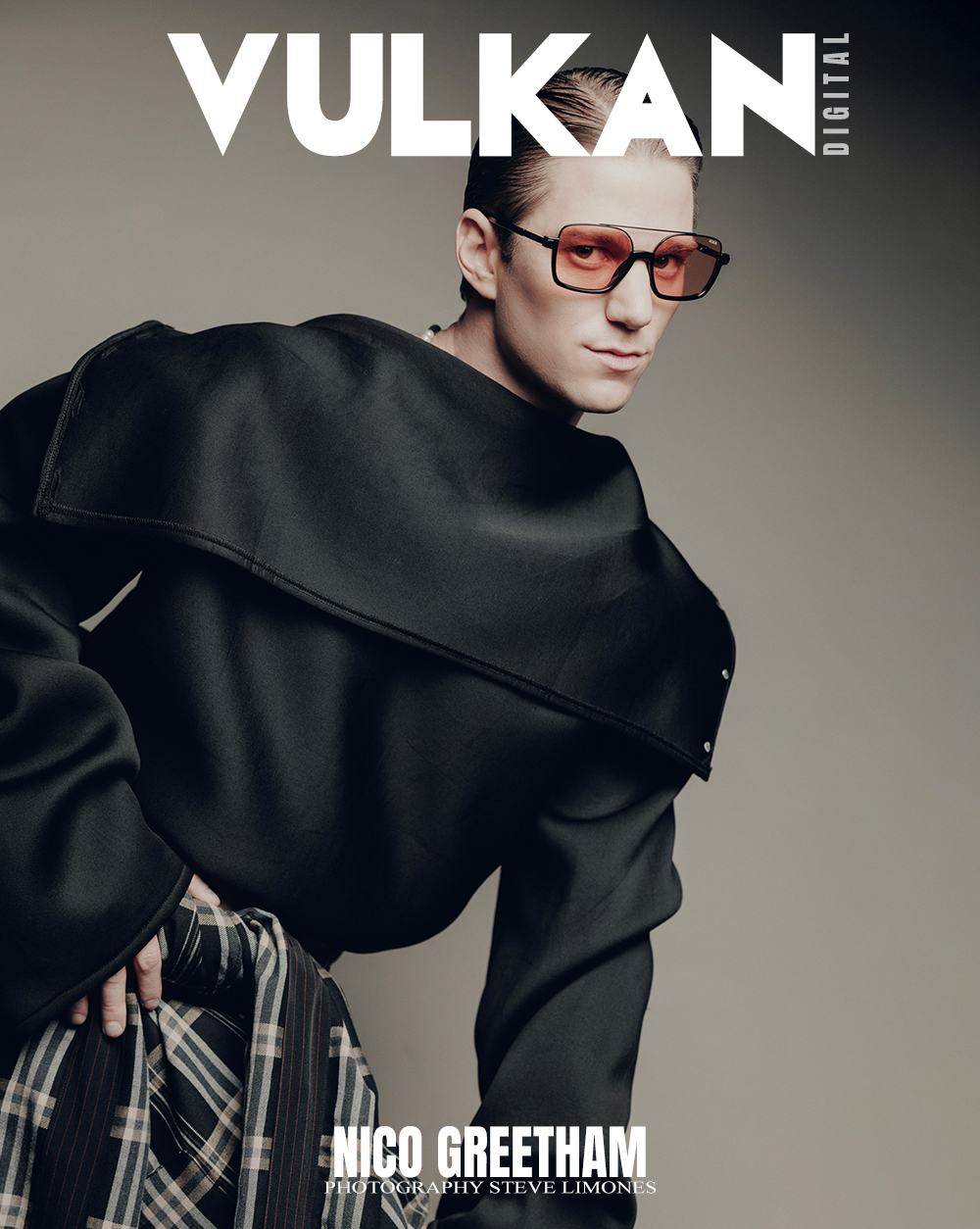
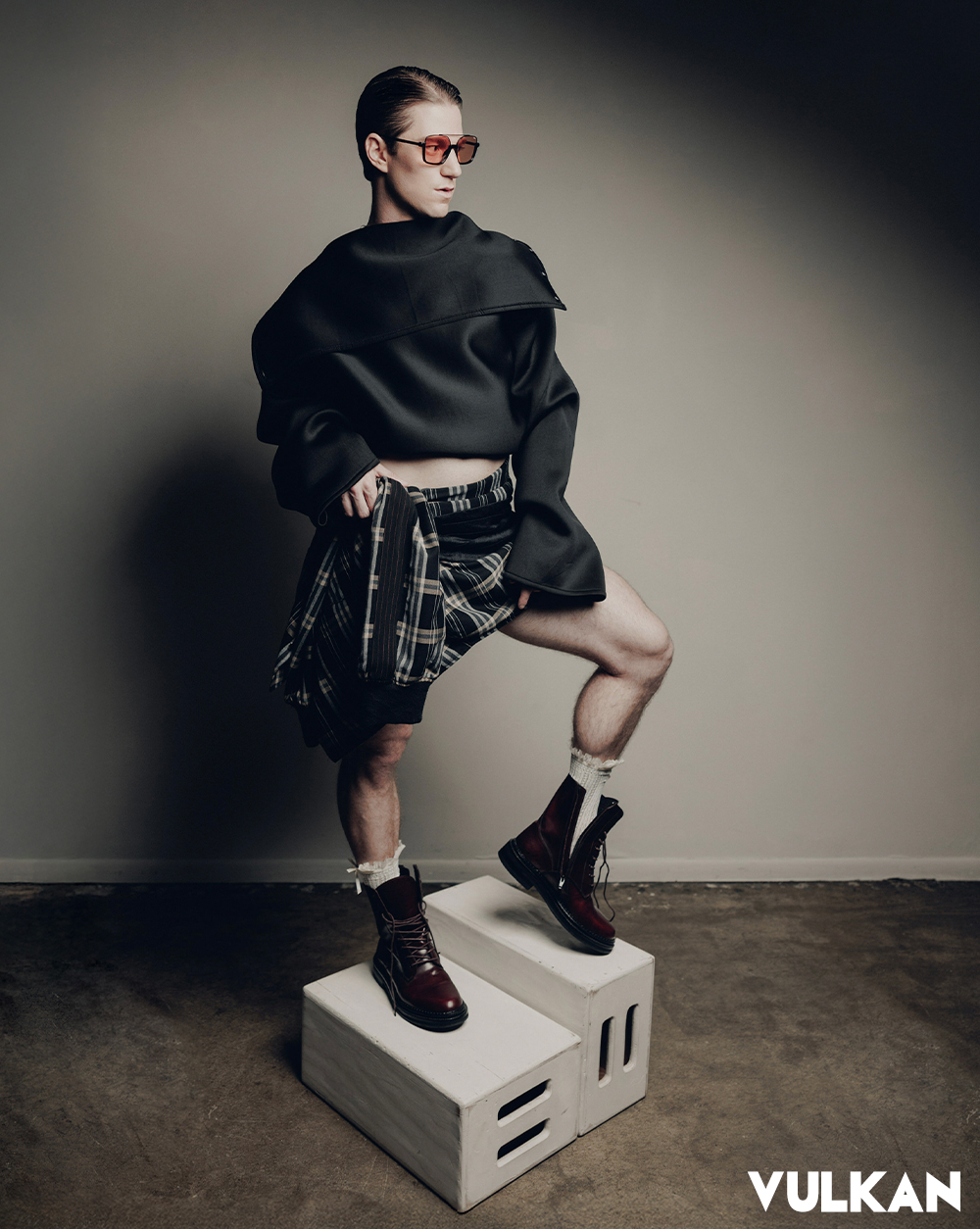

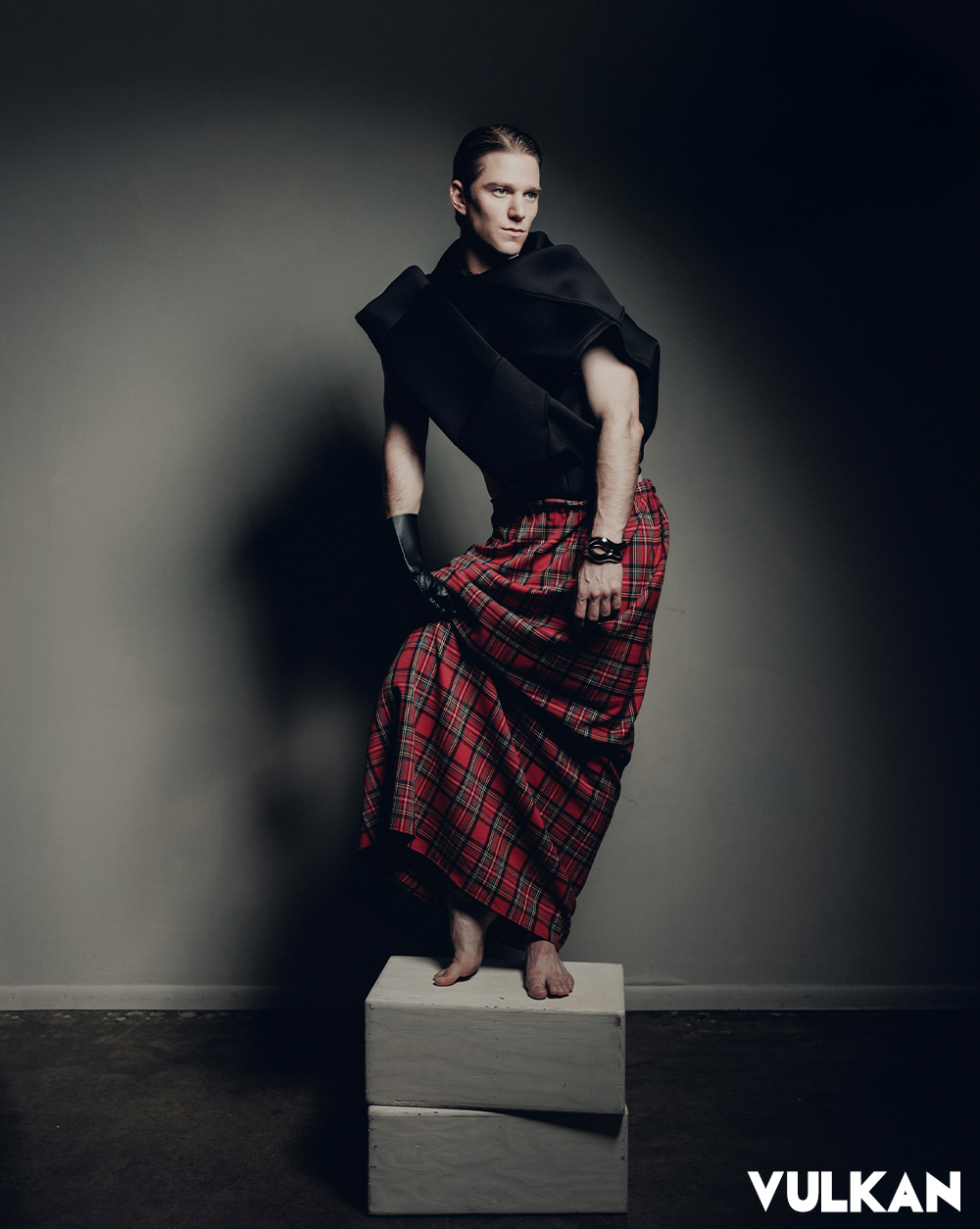
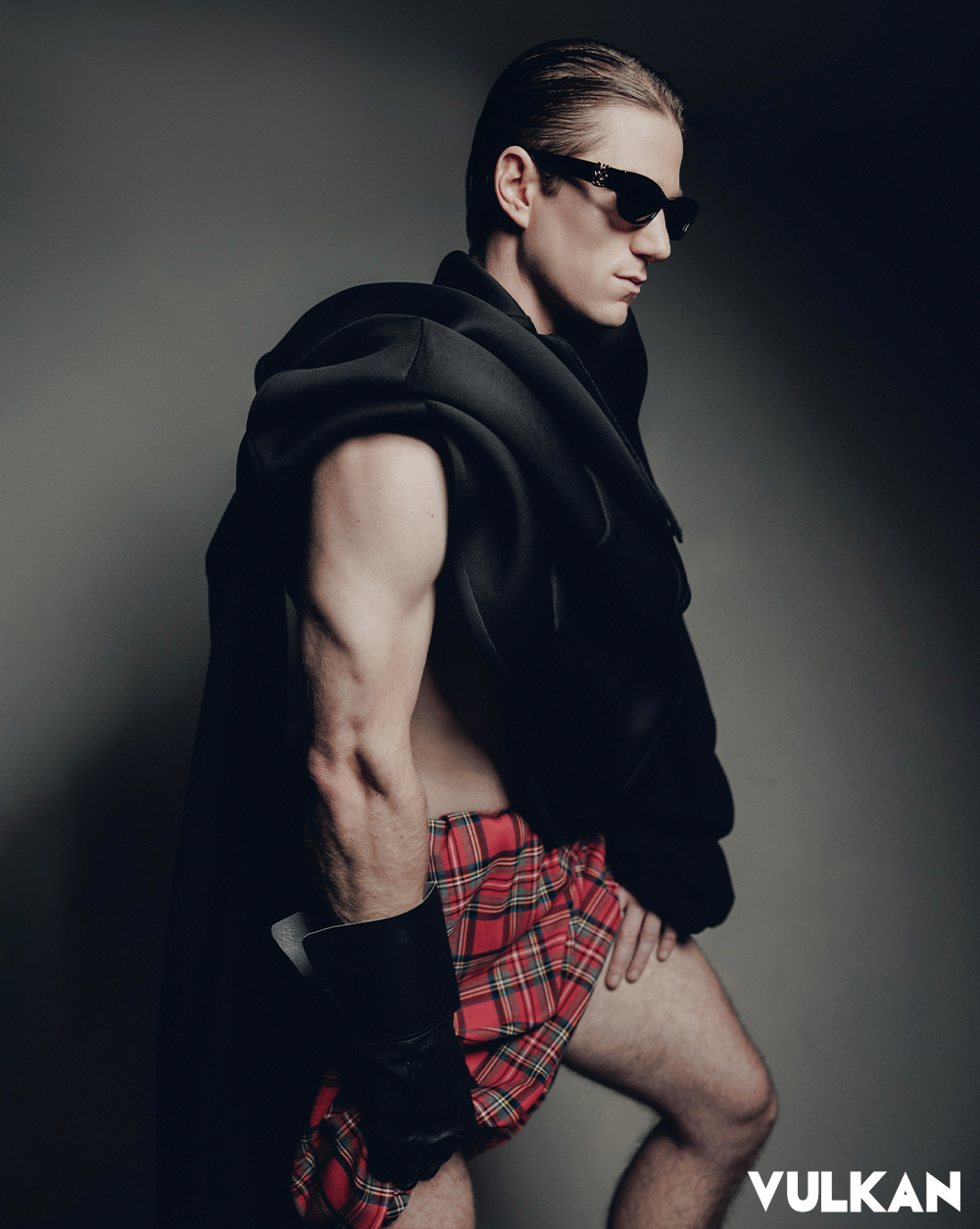
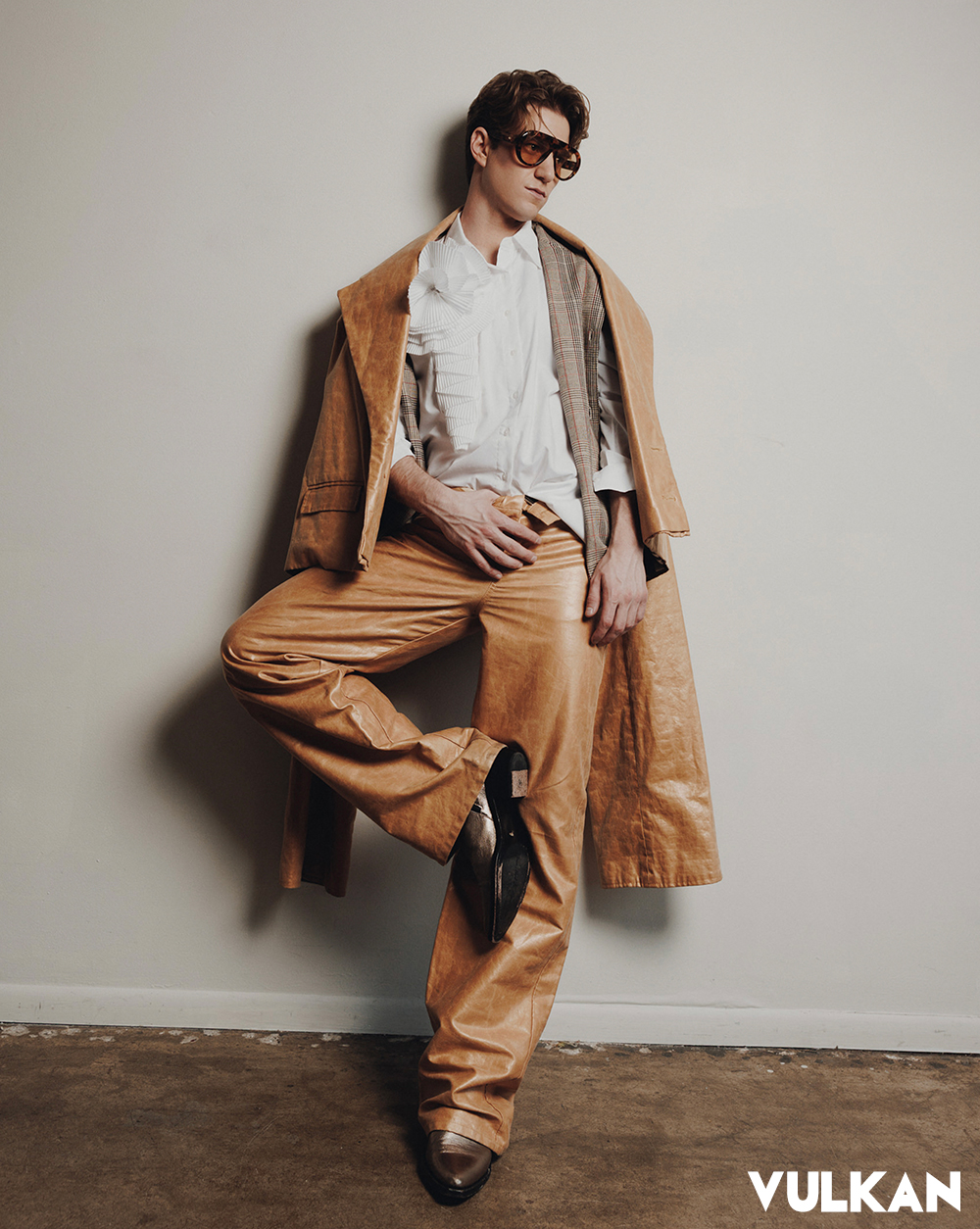
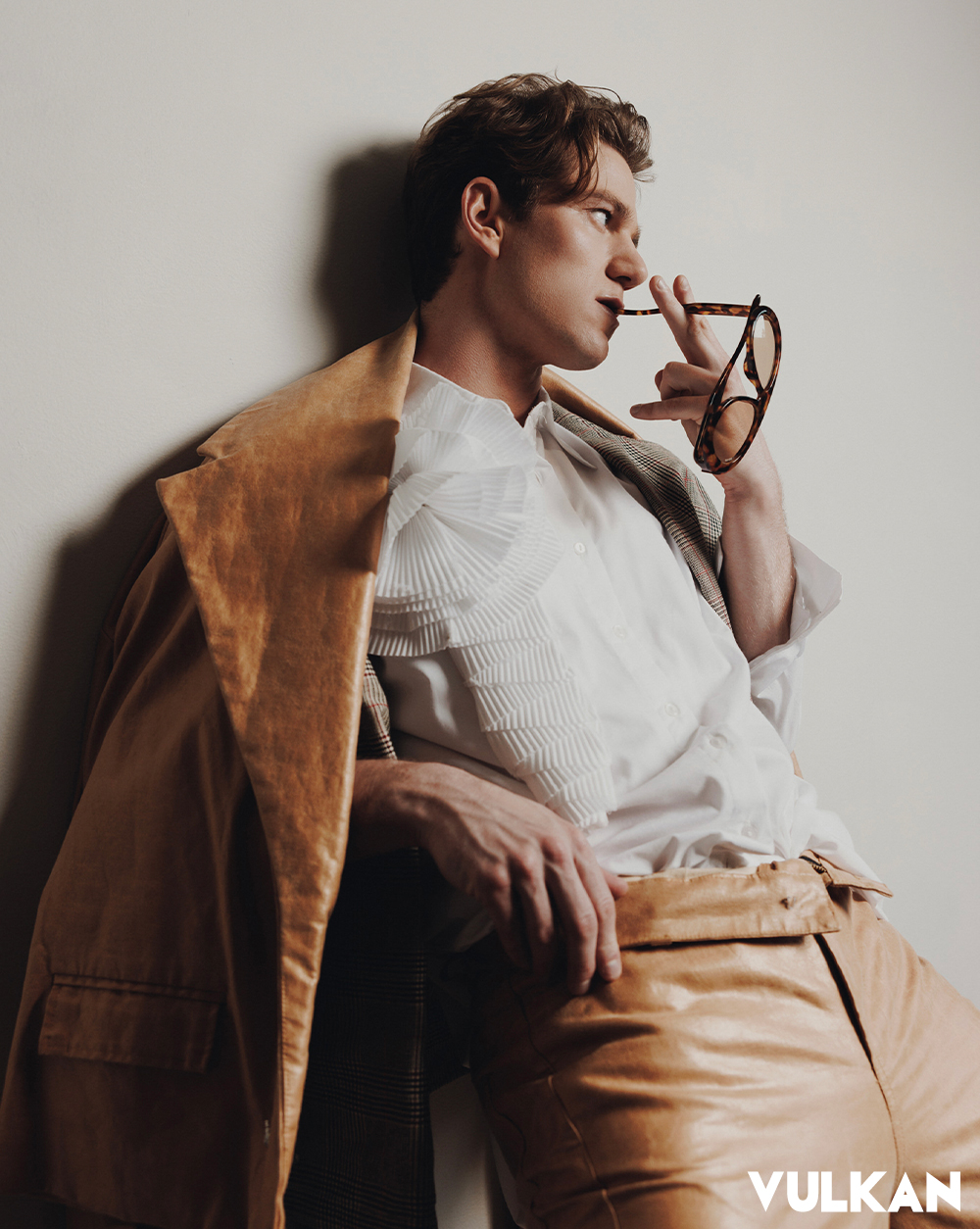
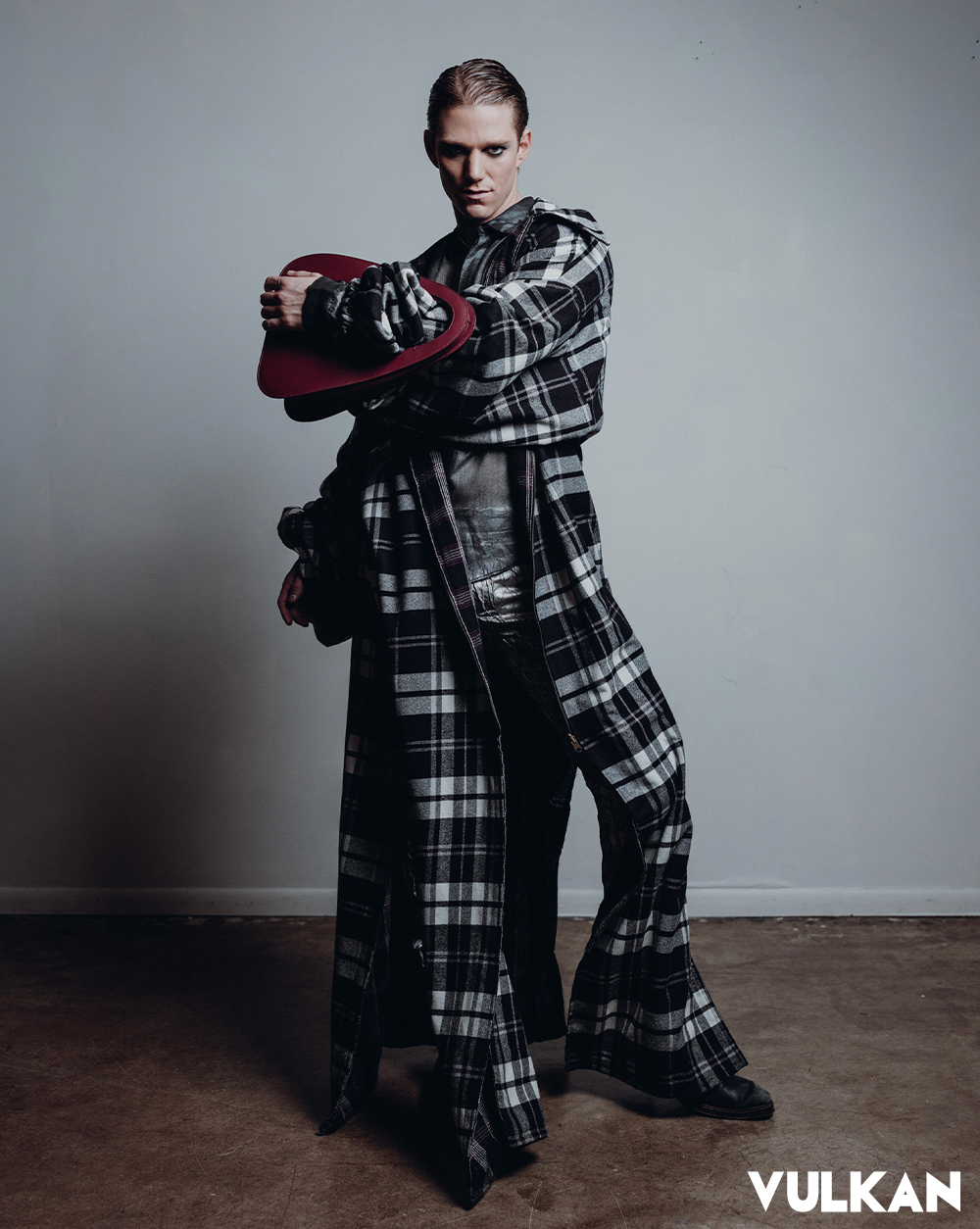
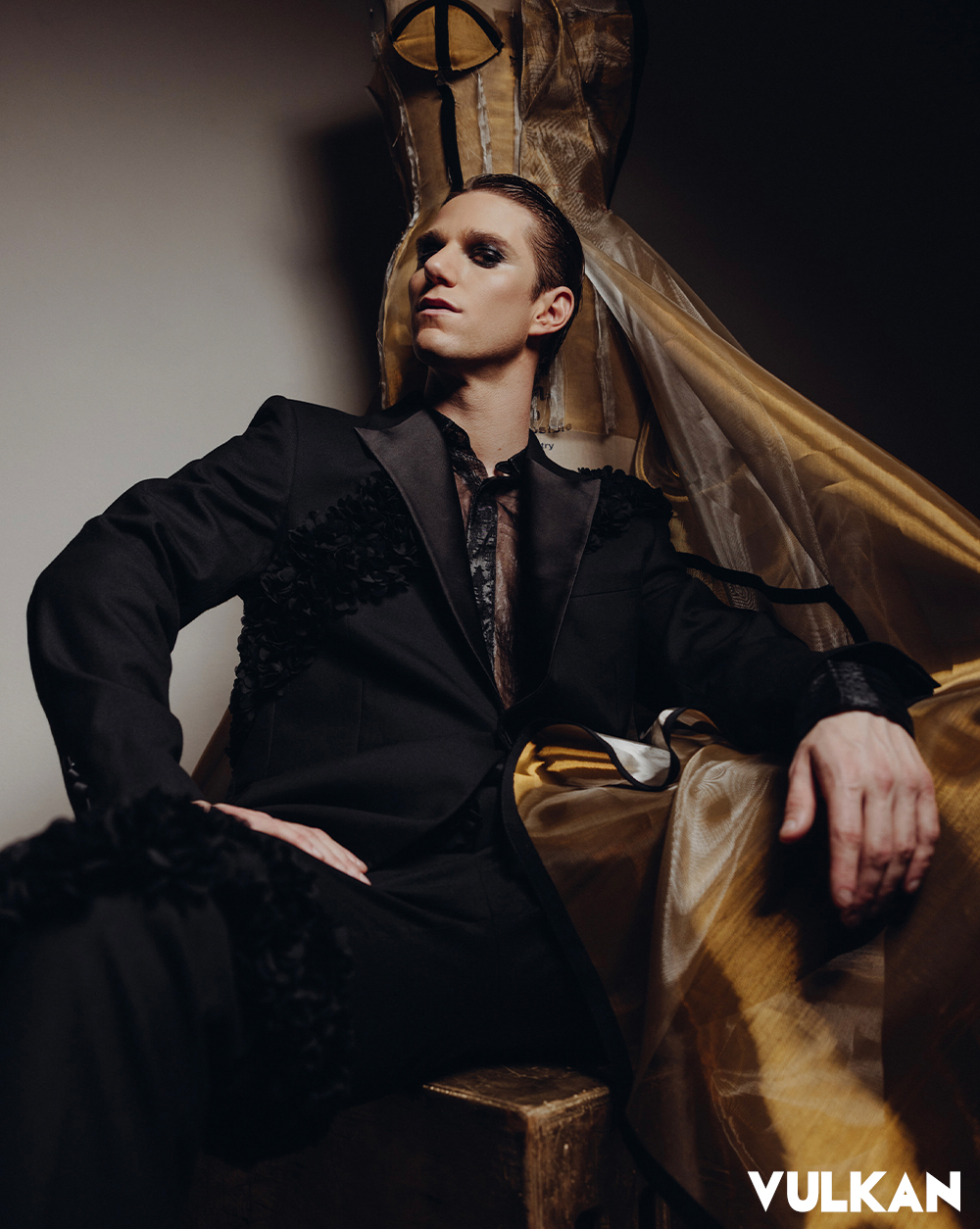
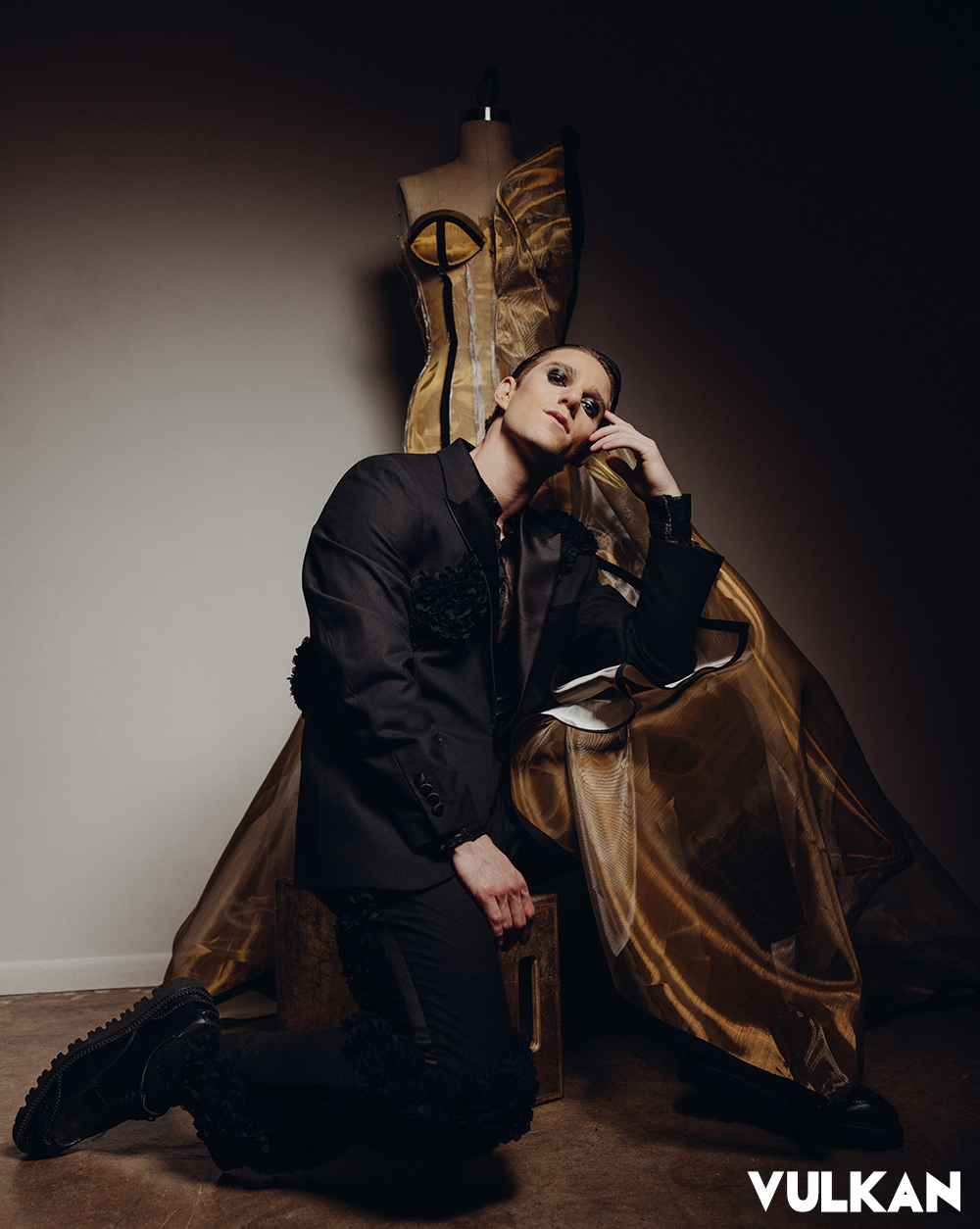
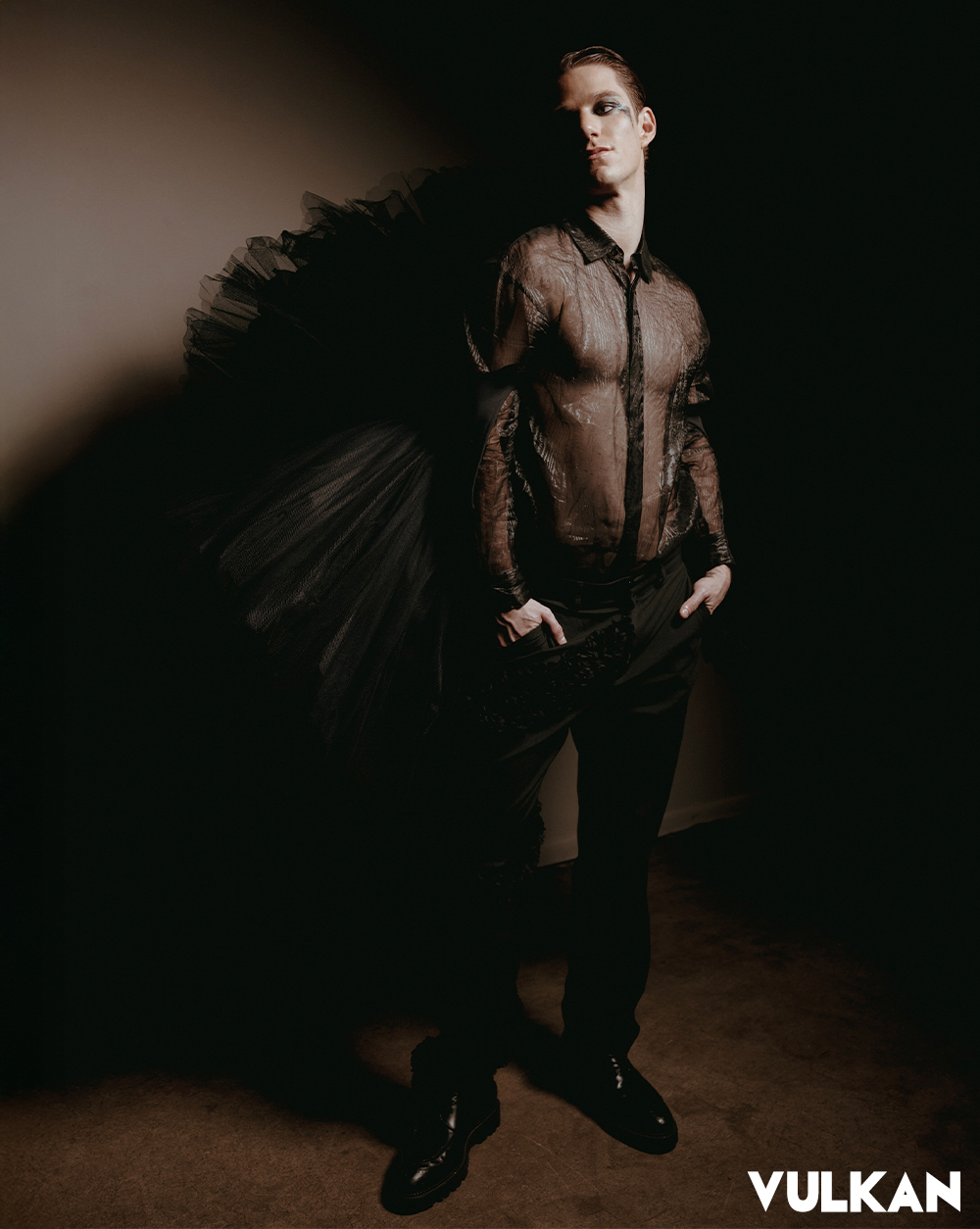
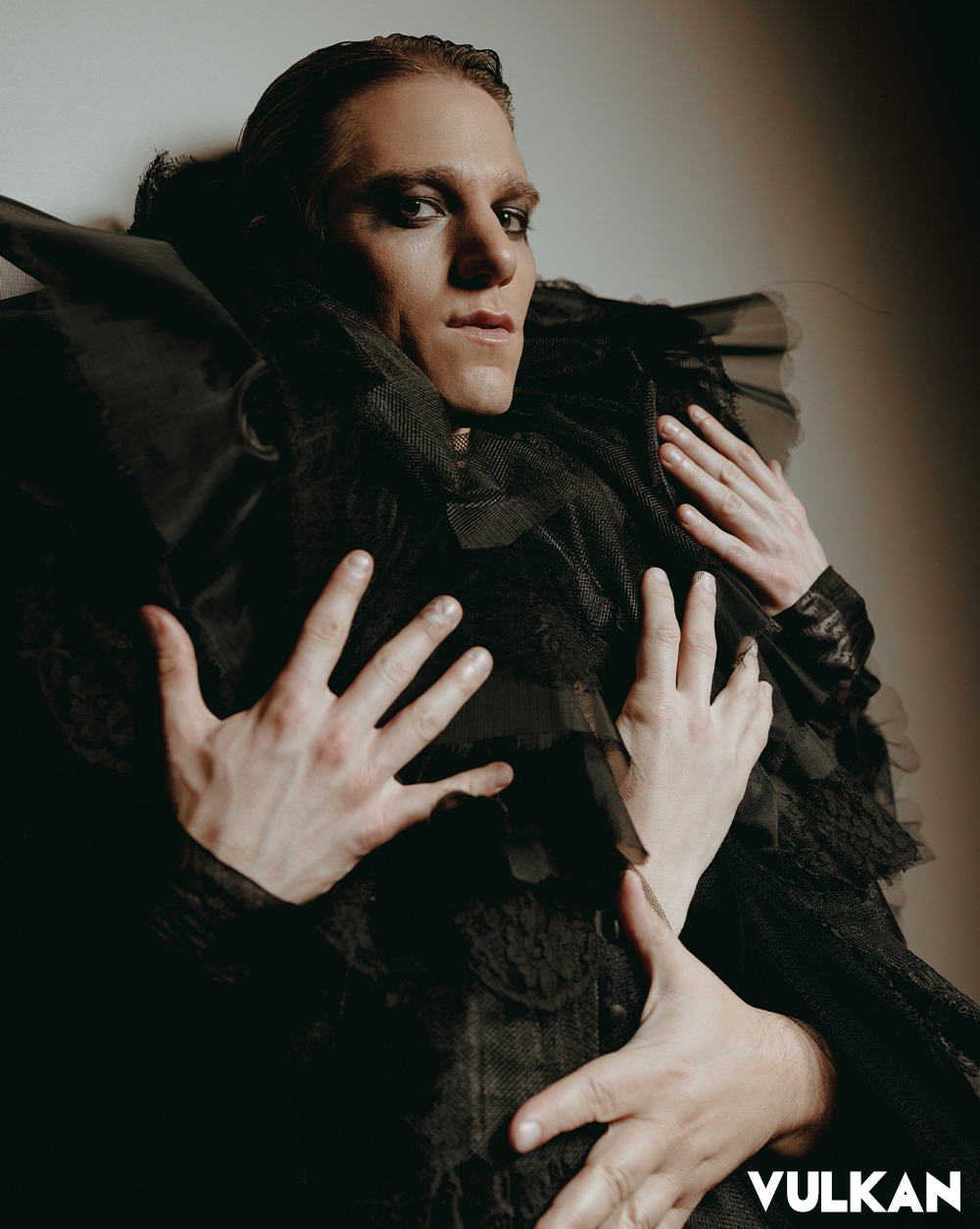
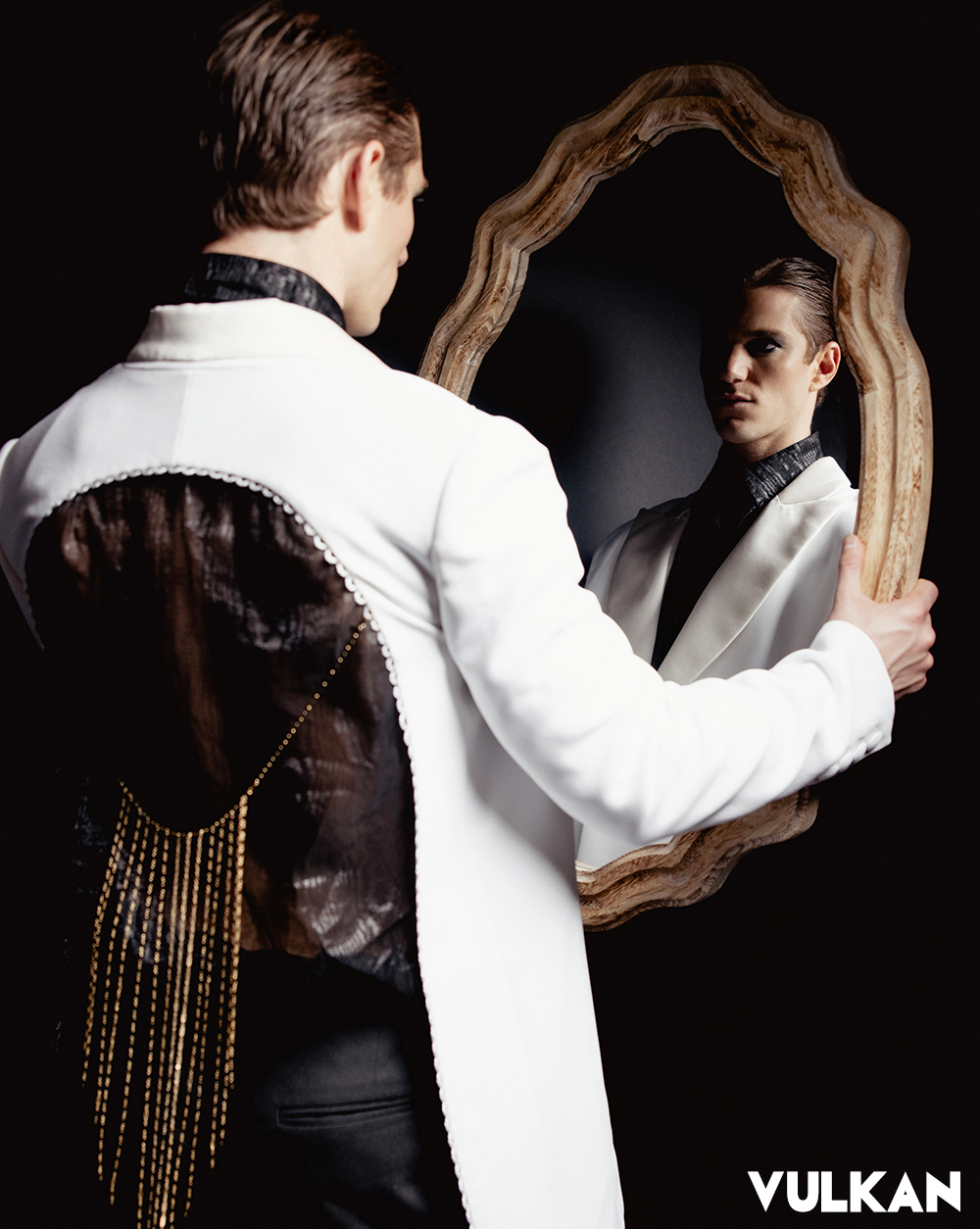
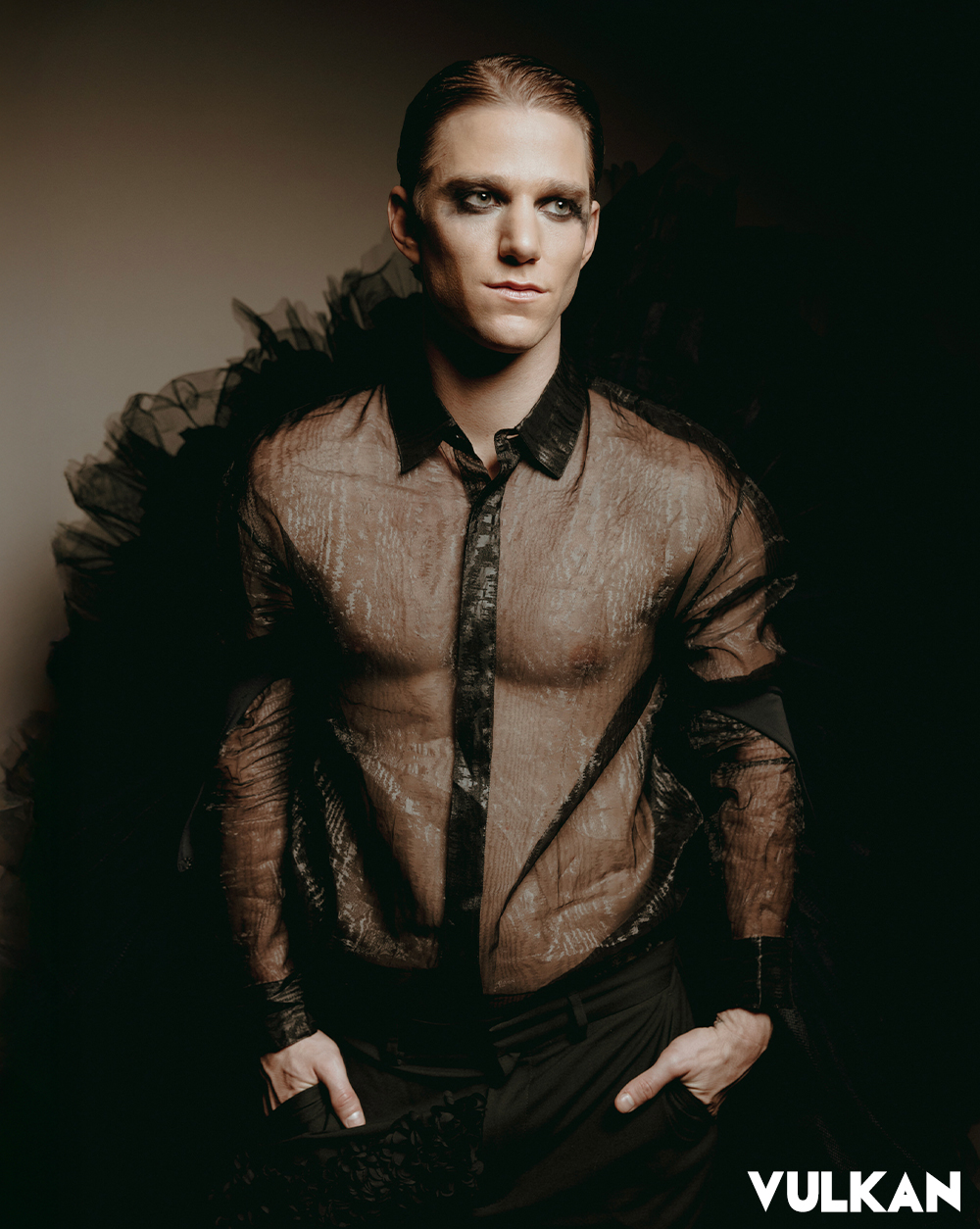
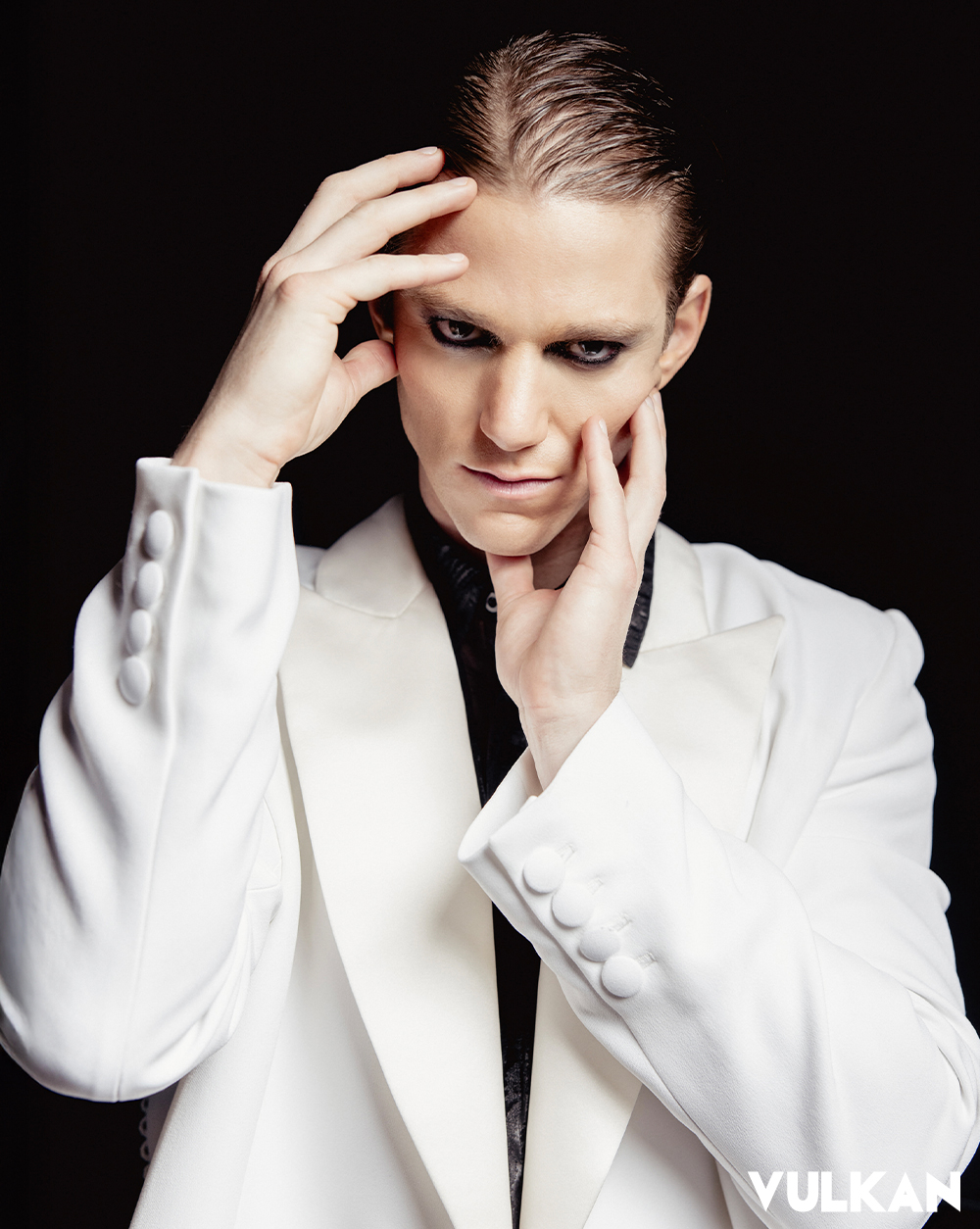
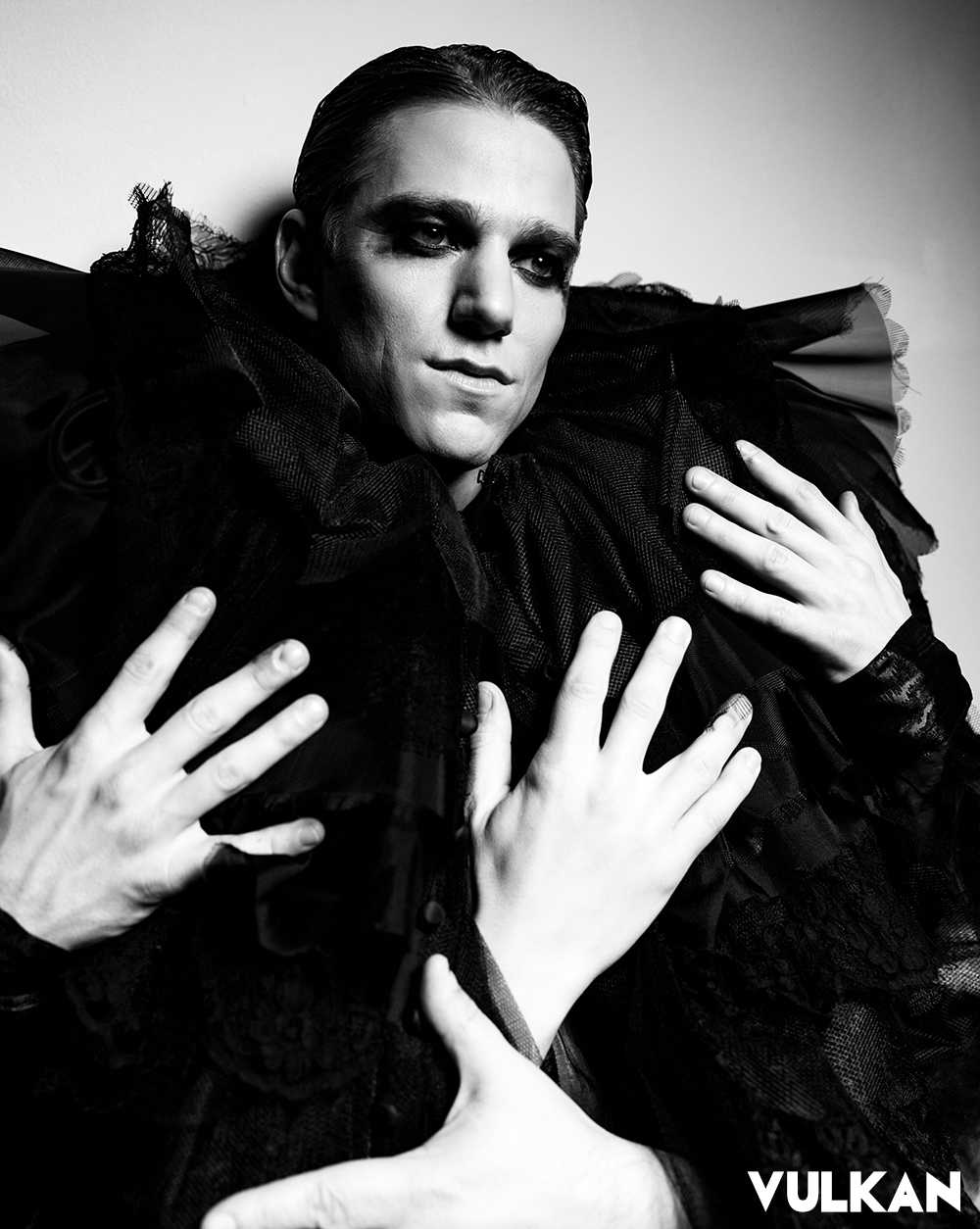
Bravo styling team each shot looks like an masterpiece