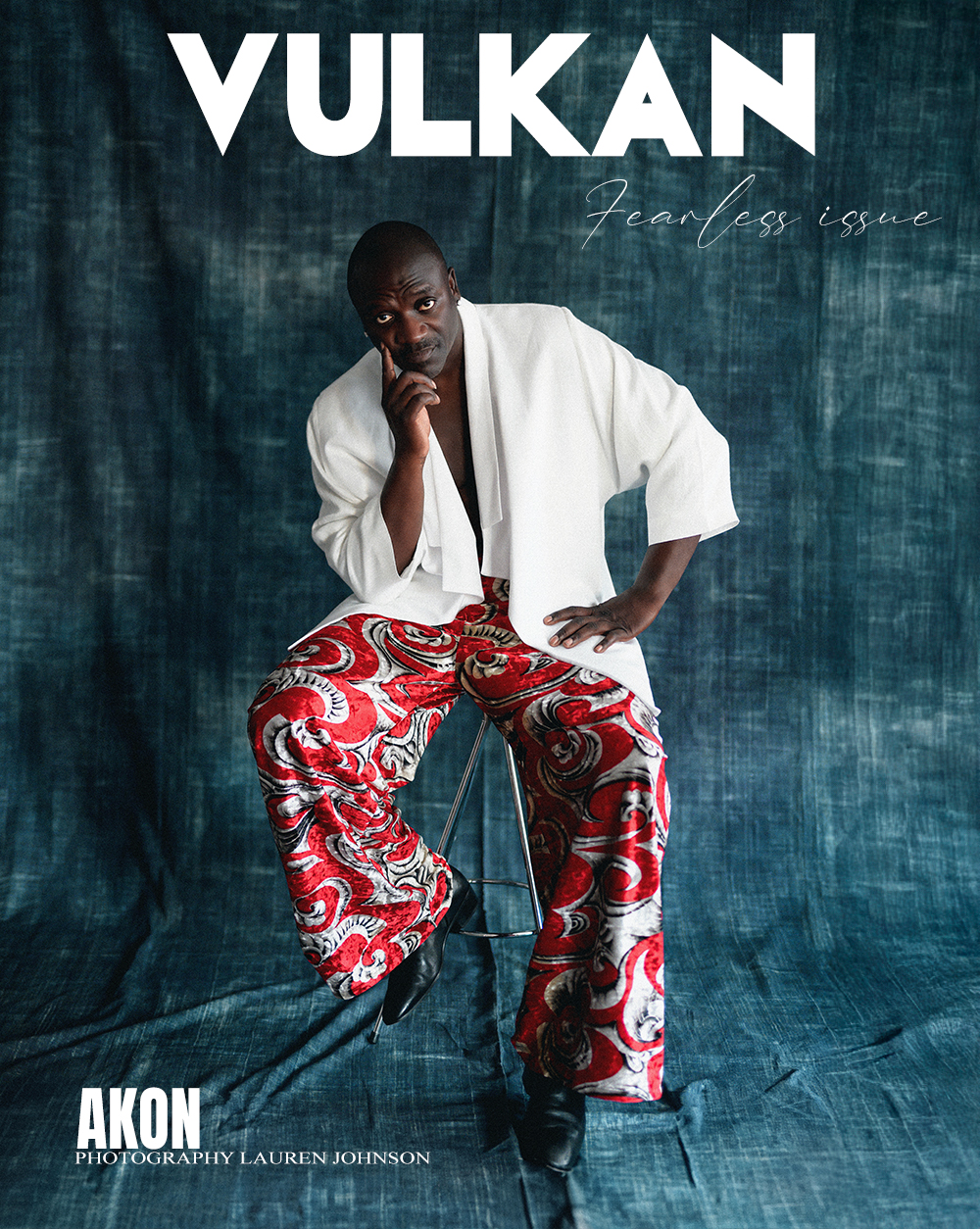
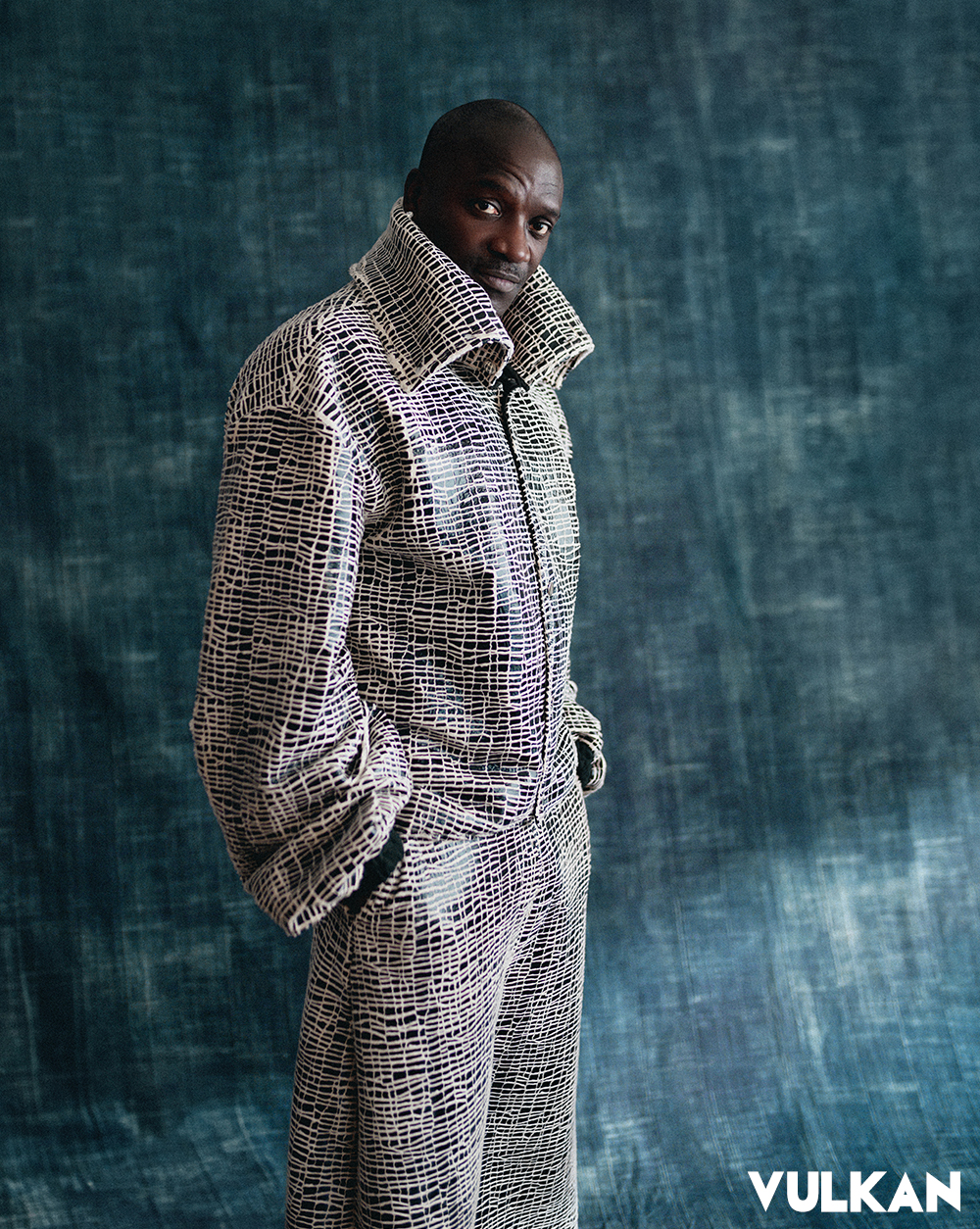
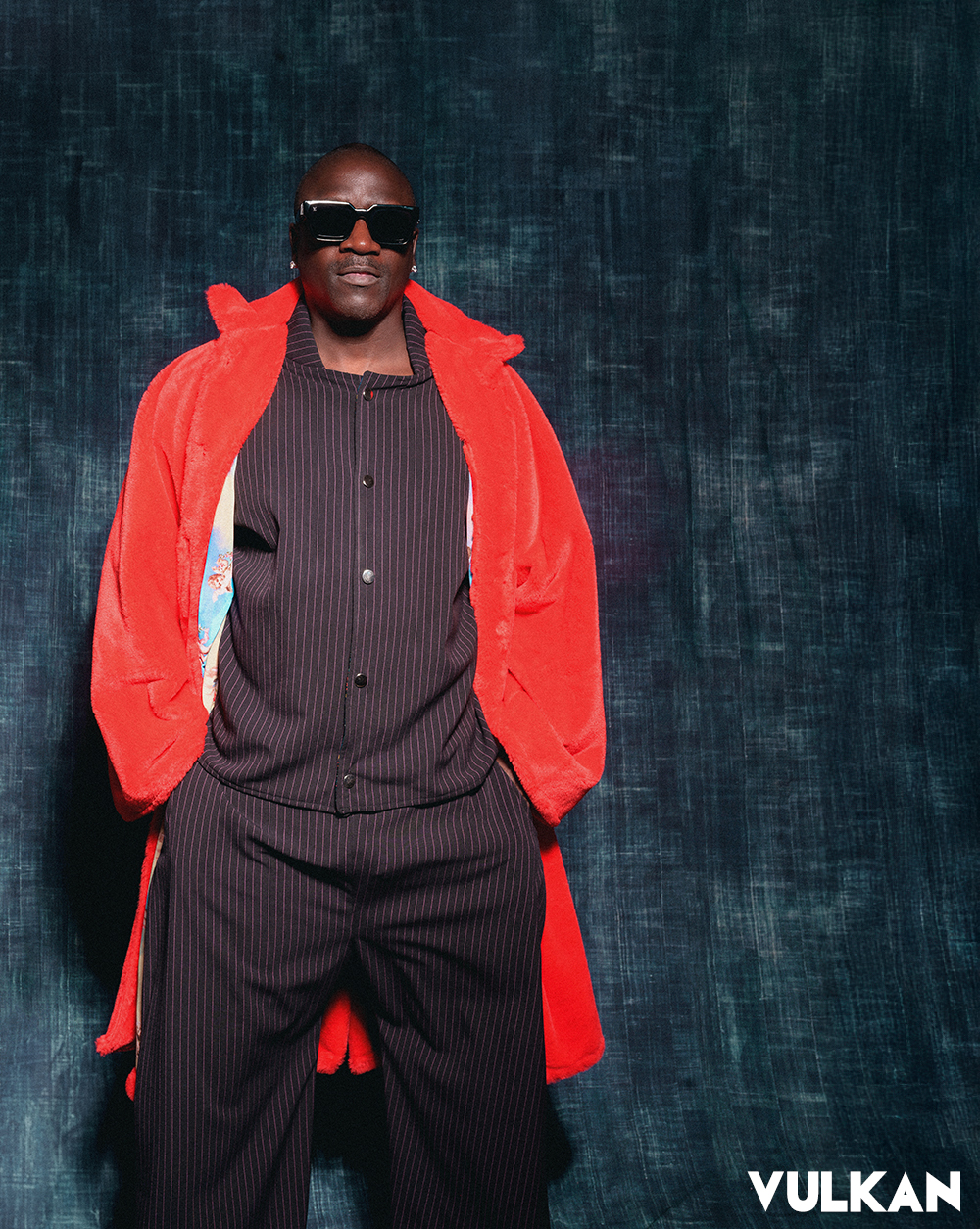
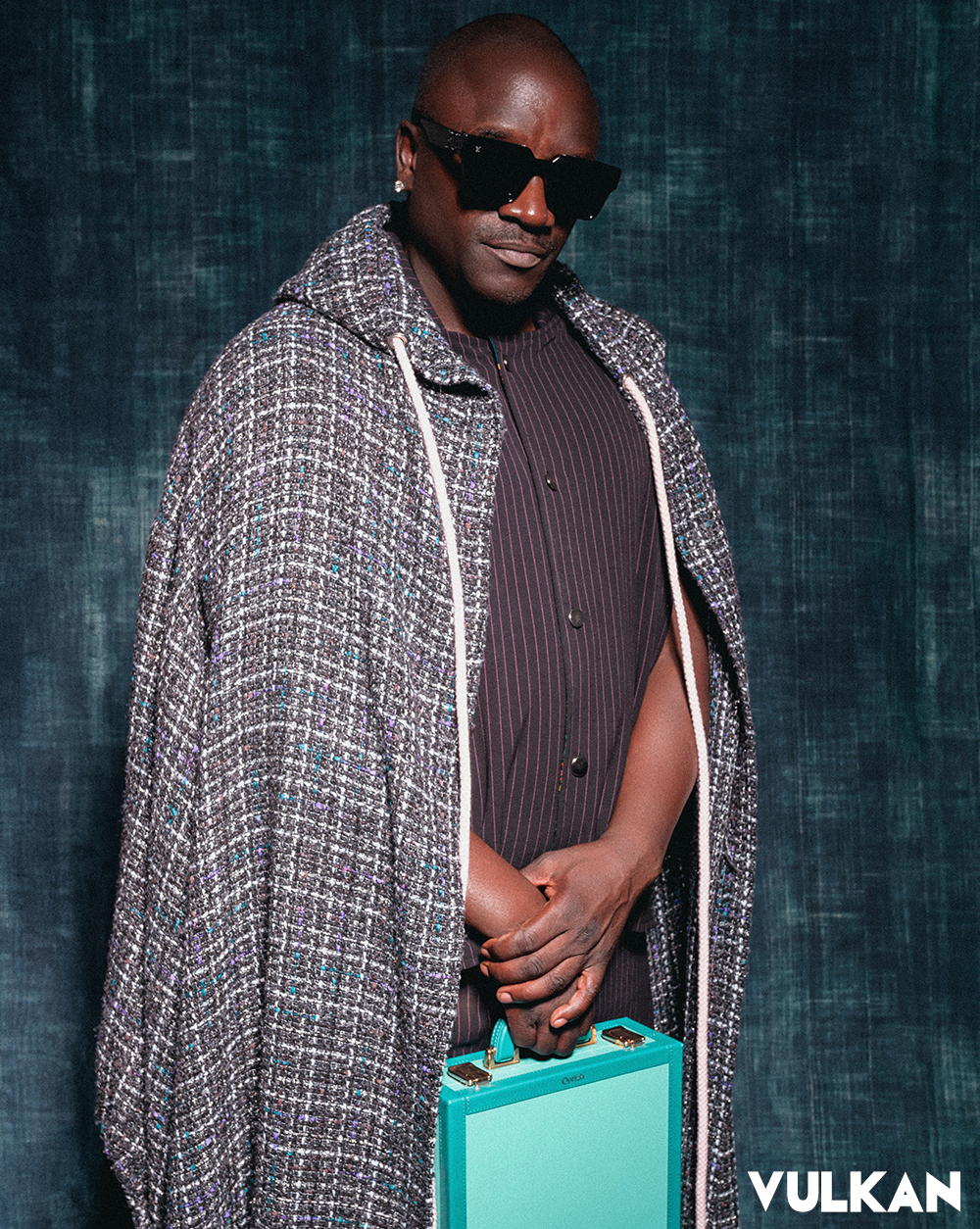
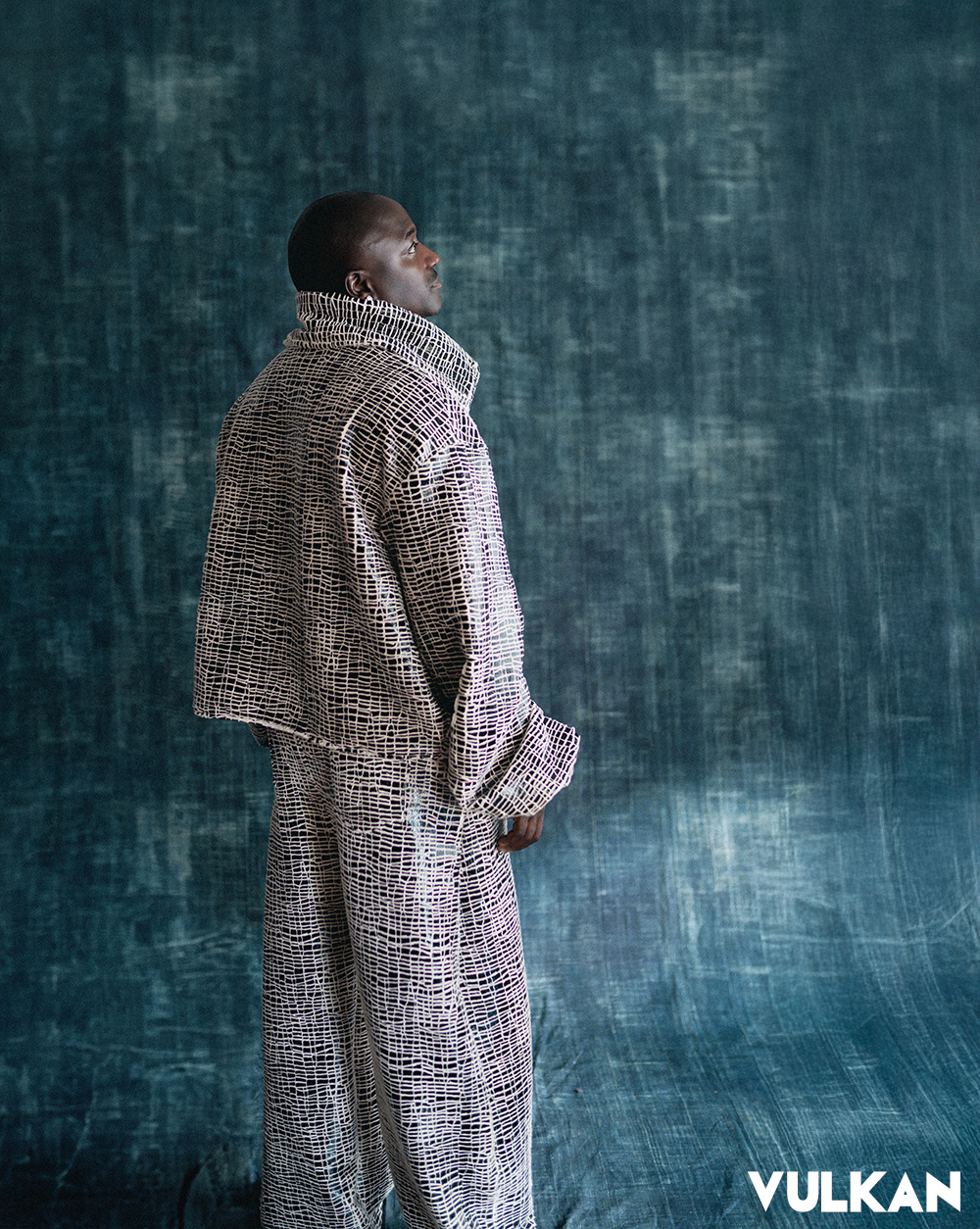
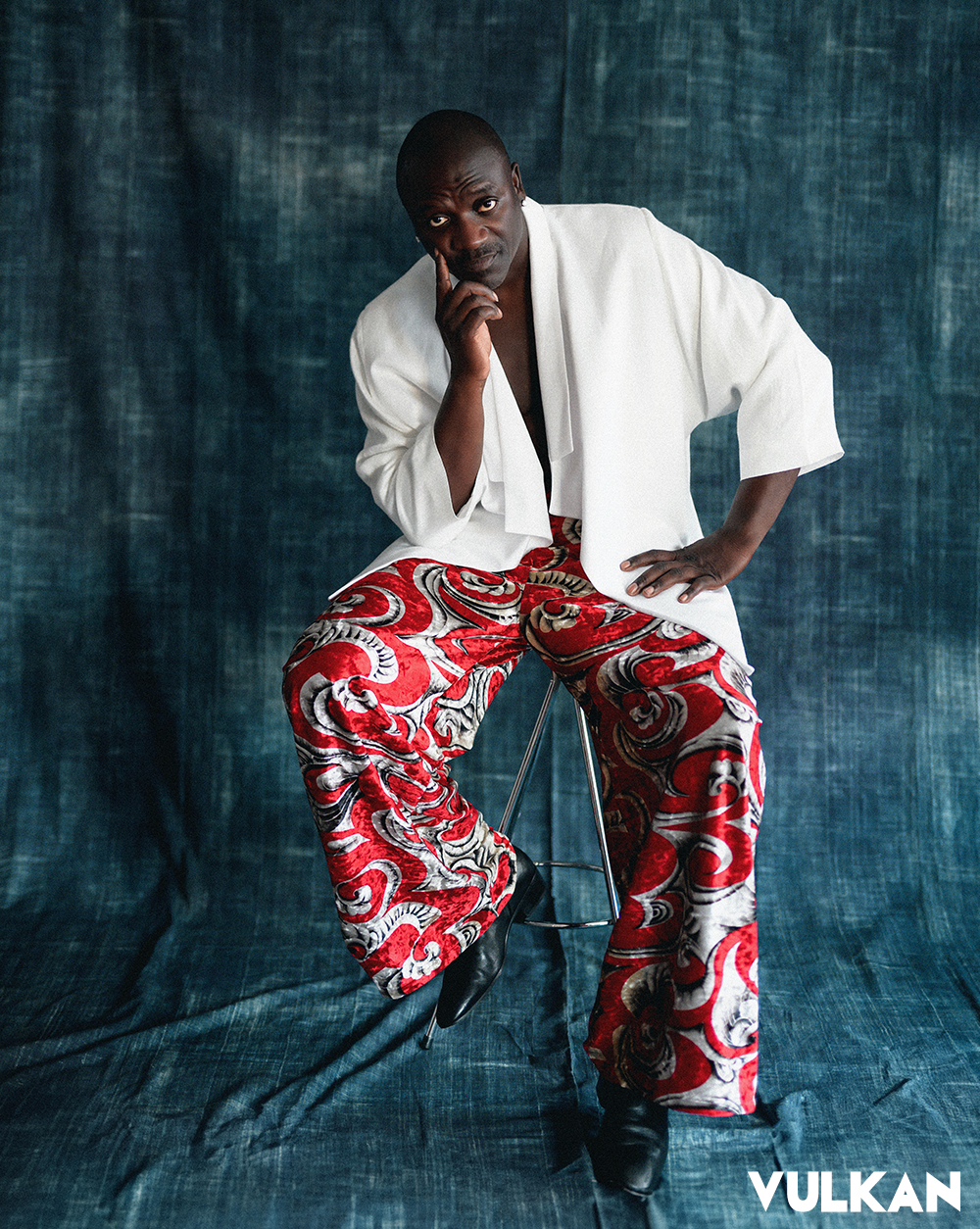
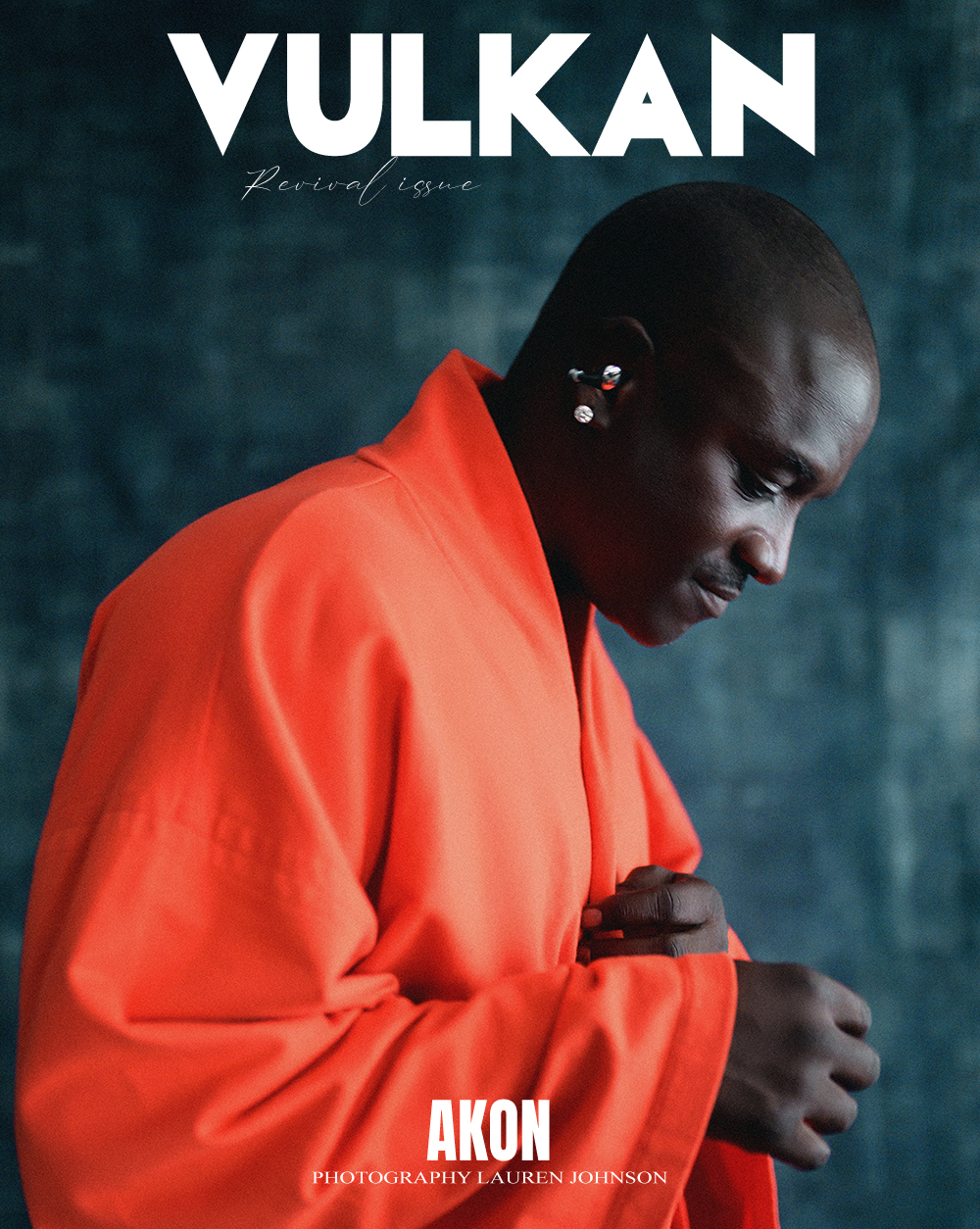
Photography Lauren Johnson @harborgraceco
Styling AmbiKa b Sanjana @styledbyambika
Videographer Tim Johnson @Filmedbytim
Production + Location @bellomediagroup x @maisonpriveepr_la
There is a moment at every Akon show when the crowd sings the hook back to him and you can feel the room click into the same rhythm. That feeling is not fame. It is a connection. For two decades, he has treated connection like craft, stitching club anthems to global chants and private prayers to public purpose. The story of Akon is the story of a pulse that keeps widening.
He grew up between worlds. Born in St. Louis to a family rooted in Senegal, the son of master percussionist Mor Thiam, he learned that music carried memory and responsibility. Drums first, then voice, then the instinct that the right melody can travel farther than words. The boy who split his childhood between West Africa and New Jersey became the artist who would later braid continents into hits. That double horizon has shaped everything since.
Ask him what powers the records that refuse to age, and he will talk about emotion you can count on. “Locked Up,” “Lonely,” “I Wanna Love You,” “Smack That” all ride simple architecture that lets feeling take the lead. In 2006, he did something few artists ever do. “Smack That” leapt from number 95 to number 7 on the Billboard Hot 100 in a single week, then parked at number two for five weeks while “I Wanna Love You” climbed to number one. It was proof that sleek songwriting and street savvy were not opposites. They were partners.
The success was not an accident. Konvicted, the album that housed those singles, stayed in the Billboard 200 top twenty for twenty-eight straight weeks and eventually went triple platinum in the United States. Akon was building a catalogue people lived with, not just a moment people liked.
The same ear that tuned his own hits helped tune the culture. Through KonLive, an imprint he created while working with Interscope, Akon championed a downtown New York singer with theatrical instincts and a pen full of glitter. Lady Gaga’s debut, “Just Dance,” might have been handed to another act. Akon fought for the vision he heard, and a pop era snapped into place. The single went from a slow burn to a Hot 100 number one, and The Fame arrived in a rush. Creative courage is often a quiet yes behind the scenes. Here it changed the radio.
Long before playlists grouped Afrobeats and amapiano beside American R&B, Akon was threading African cadence and global percussion into mainstream hooks. That bridge did not feel like fusion. It felt like home. You can hear Senegal in the way he treats rhythm as conversation. You can hear New Jersey in the way he loves a chorus that sticks. When listeners today hear African sounds at the center of pop, they are walking a road he helped pave.
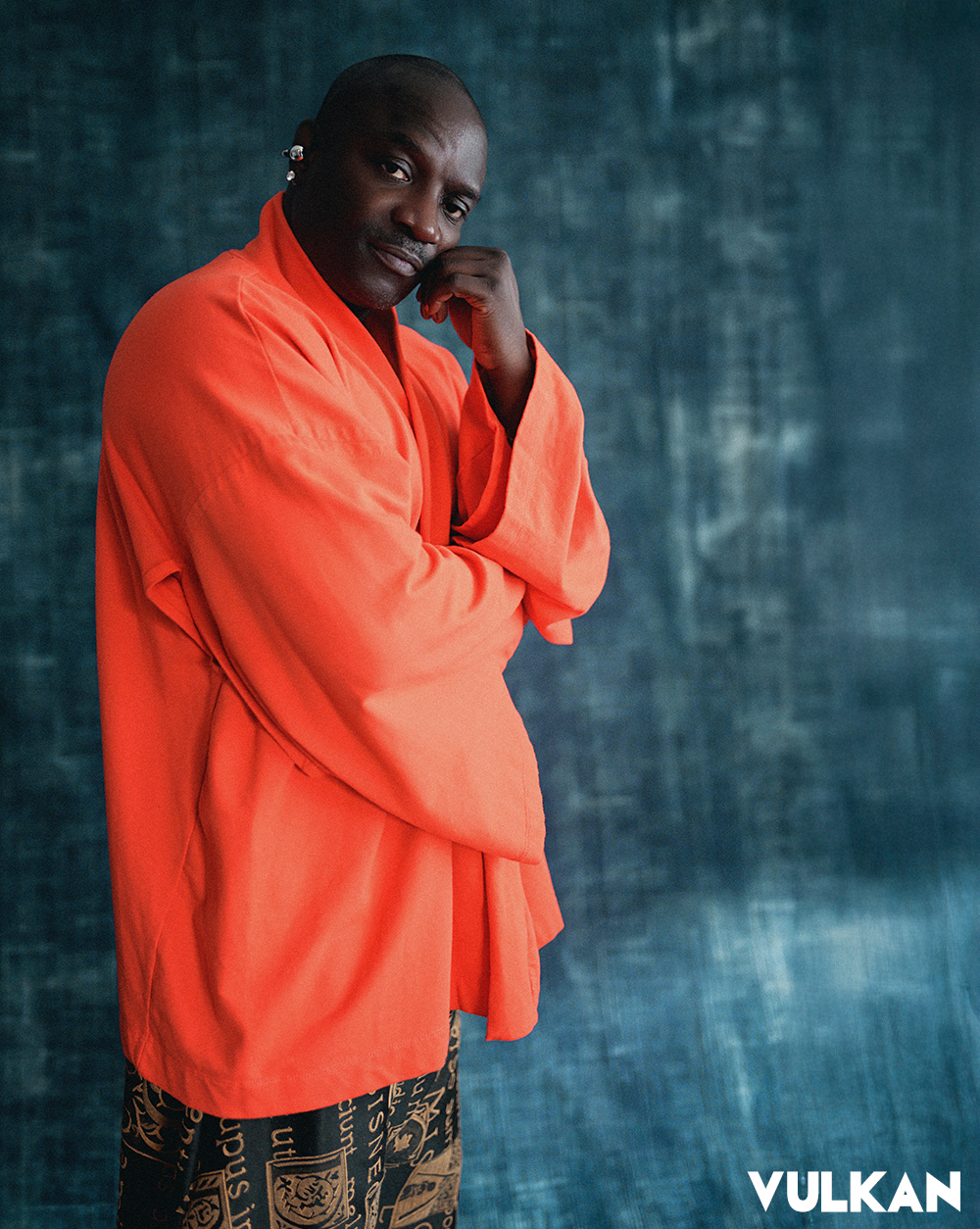
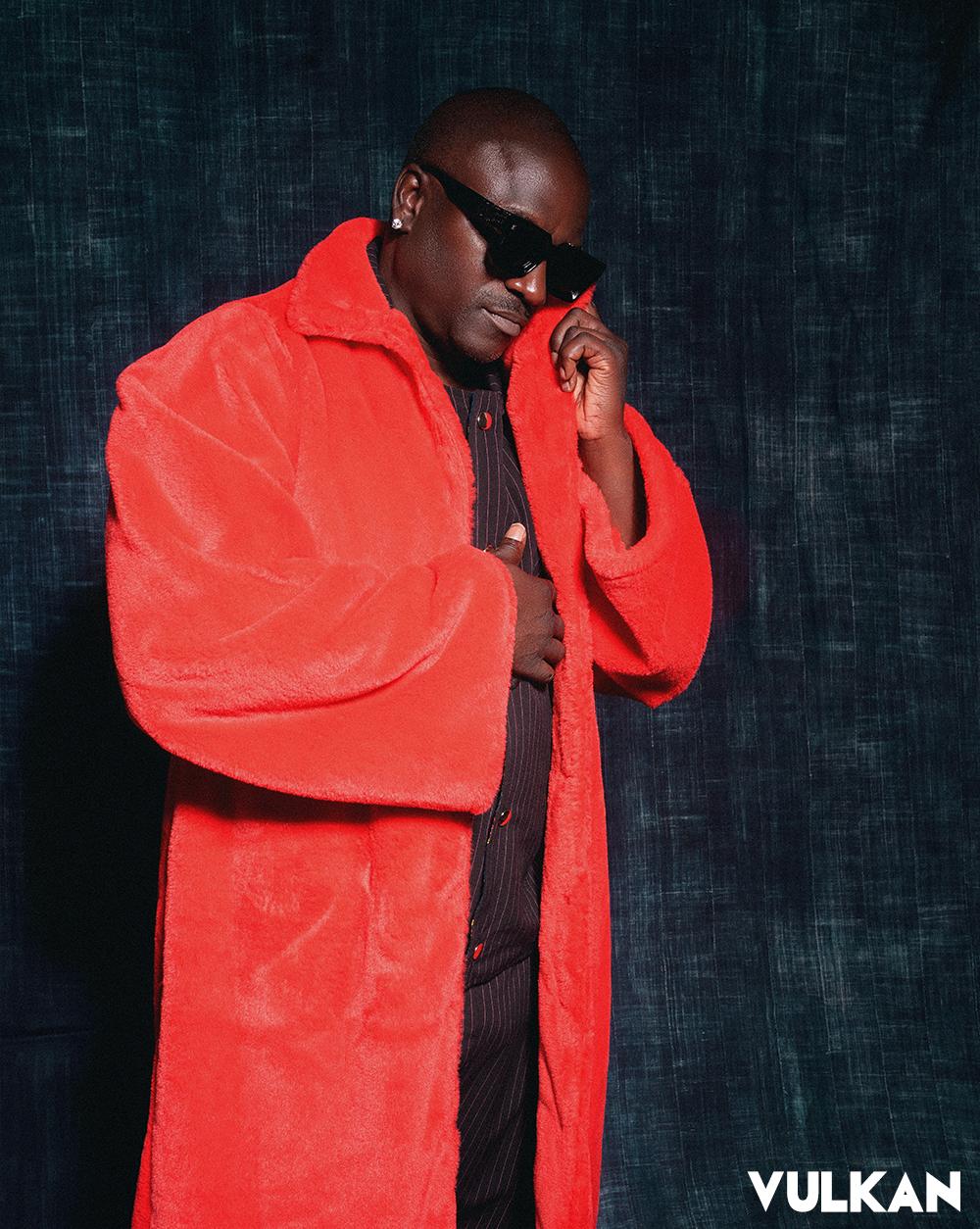
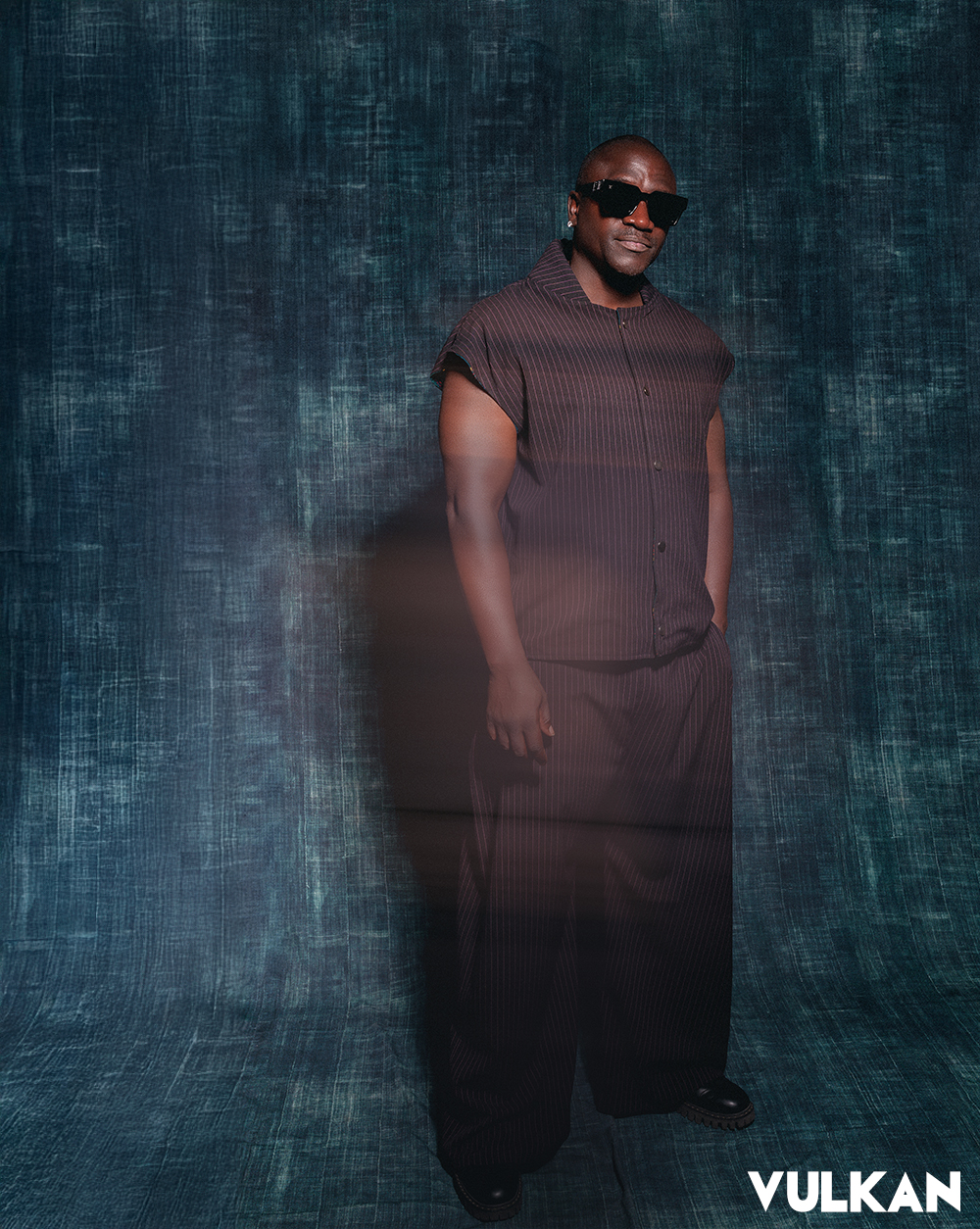
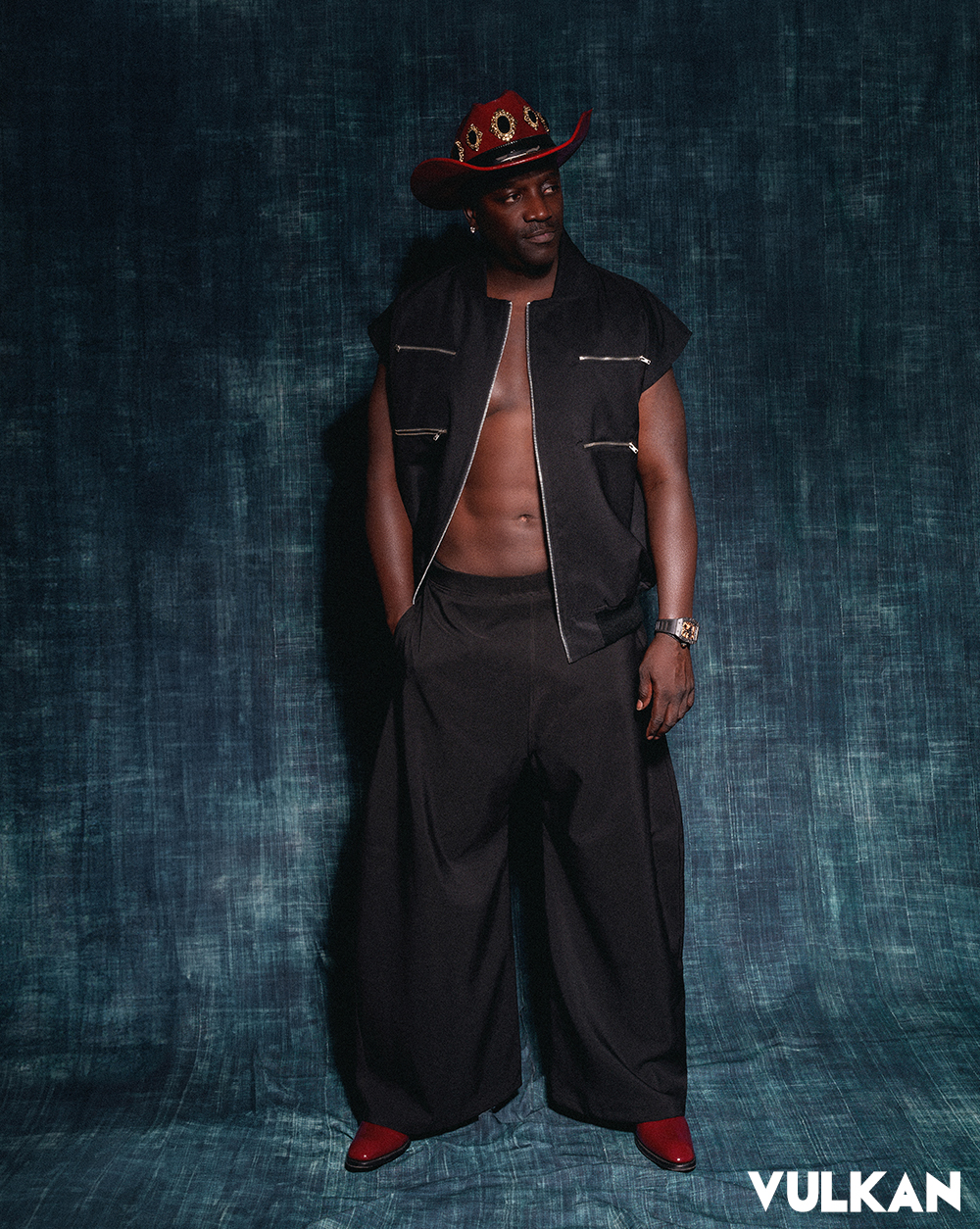
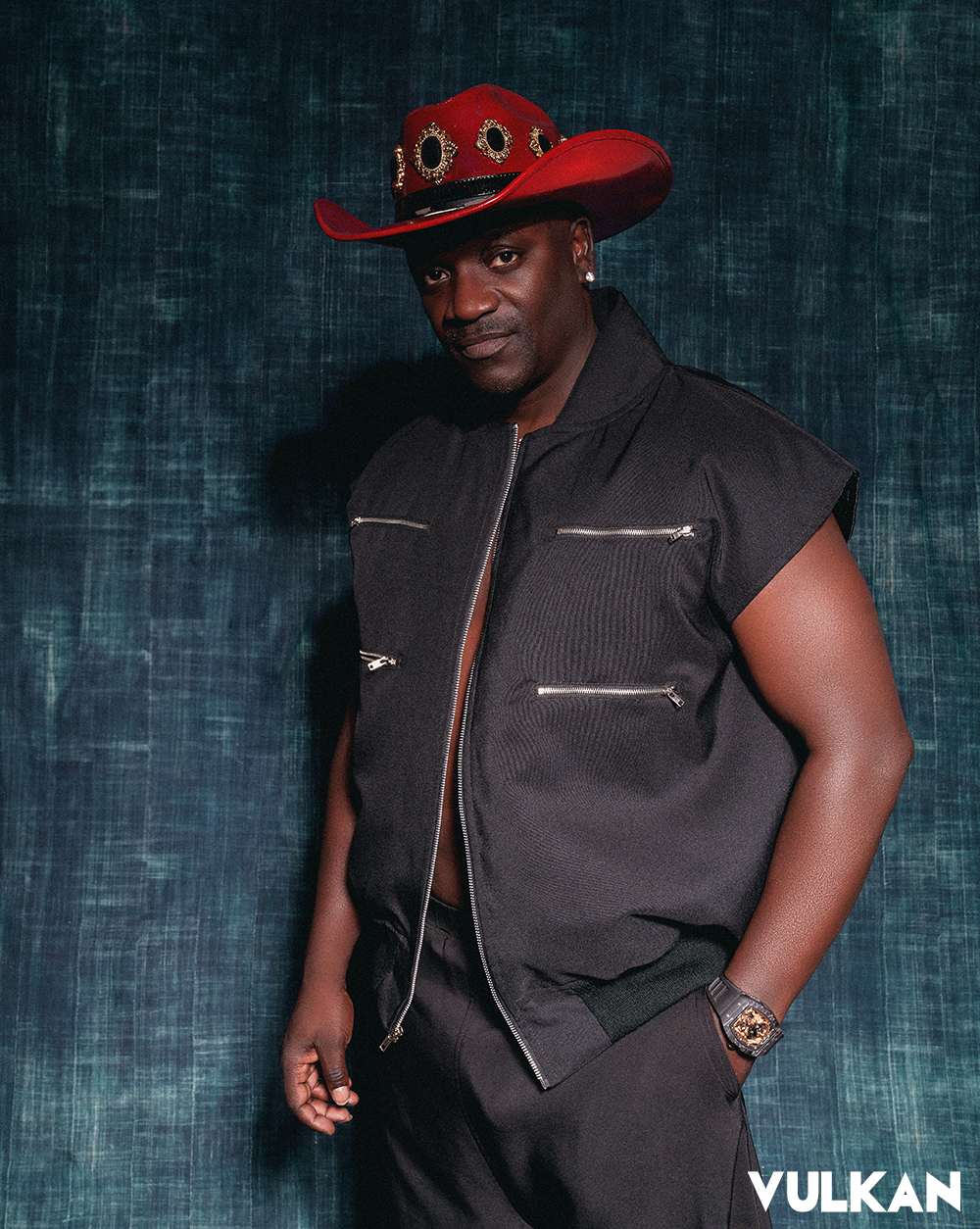
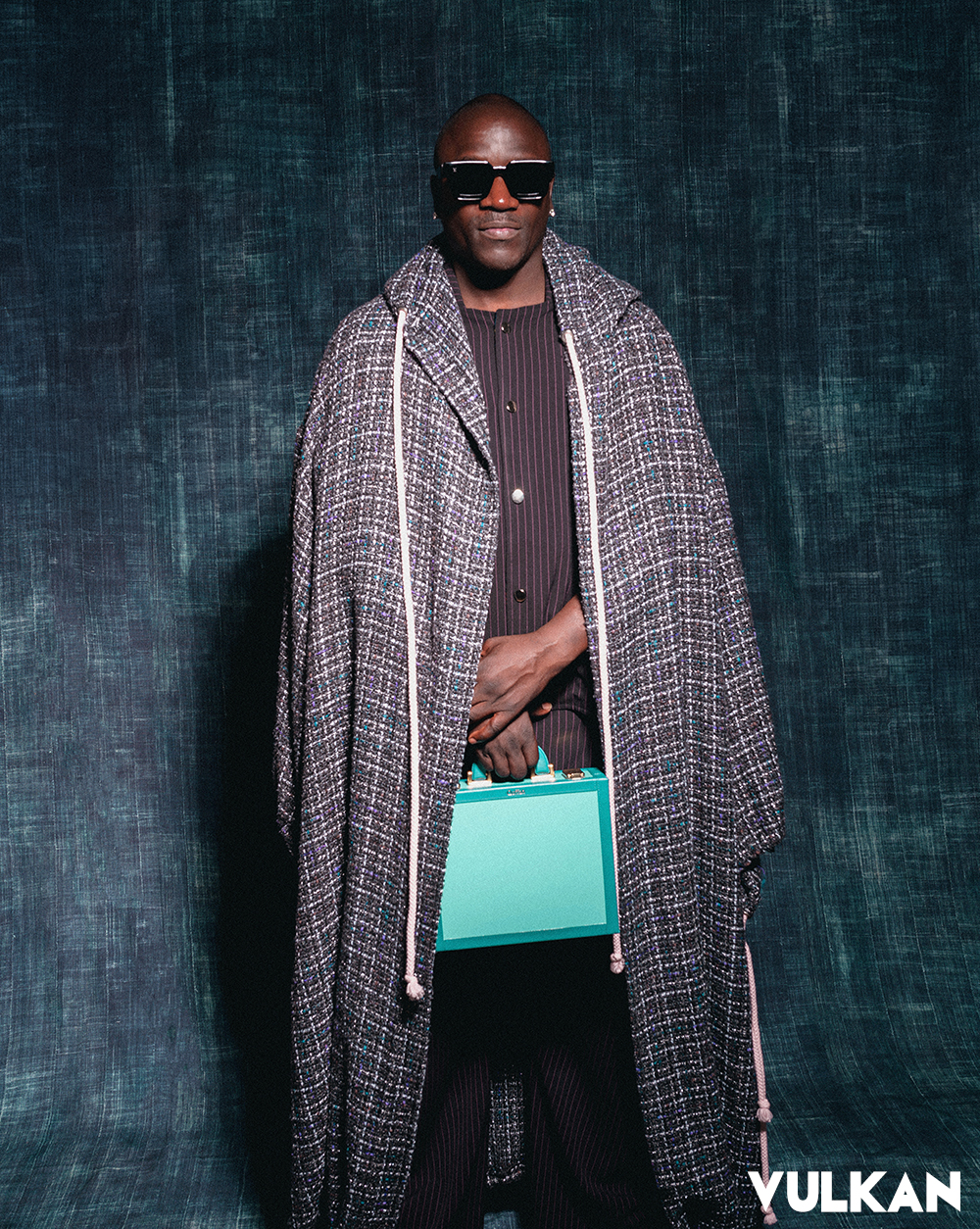
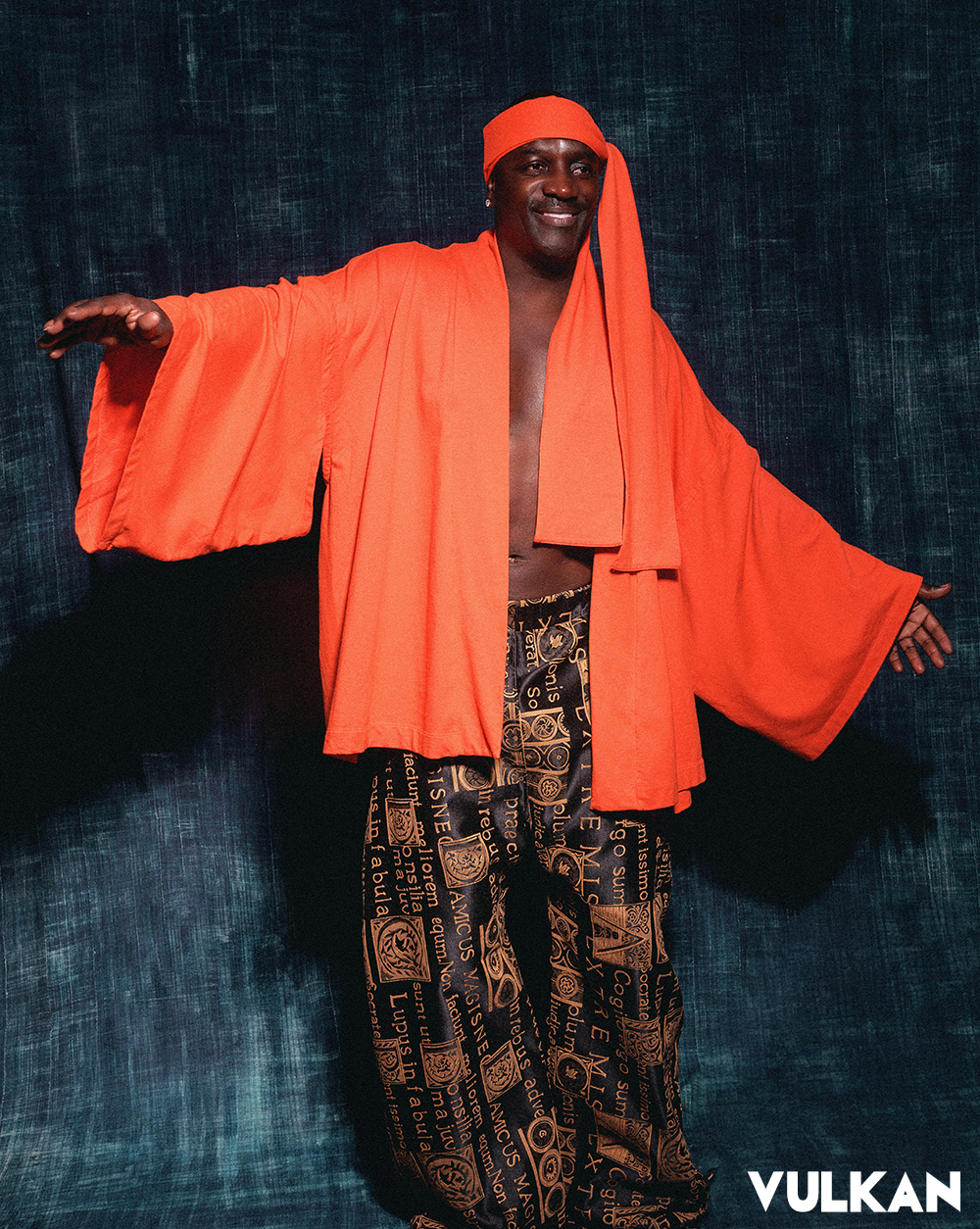
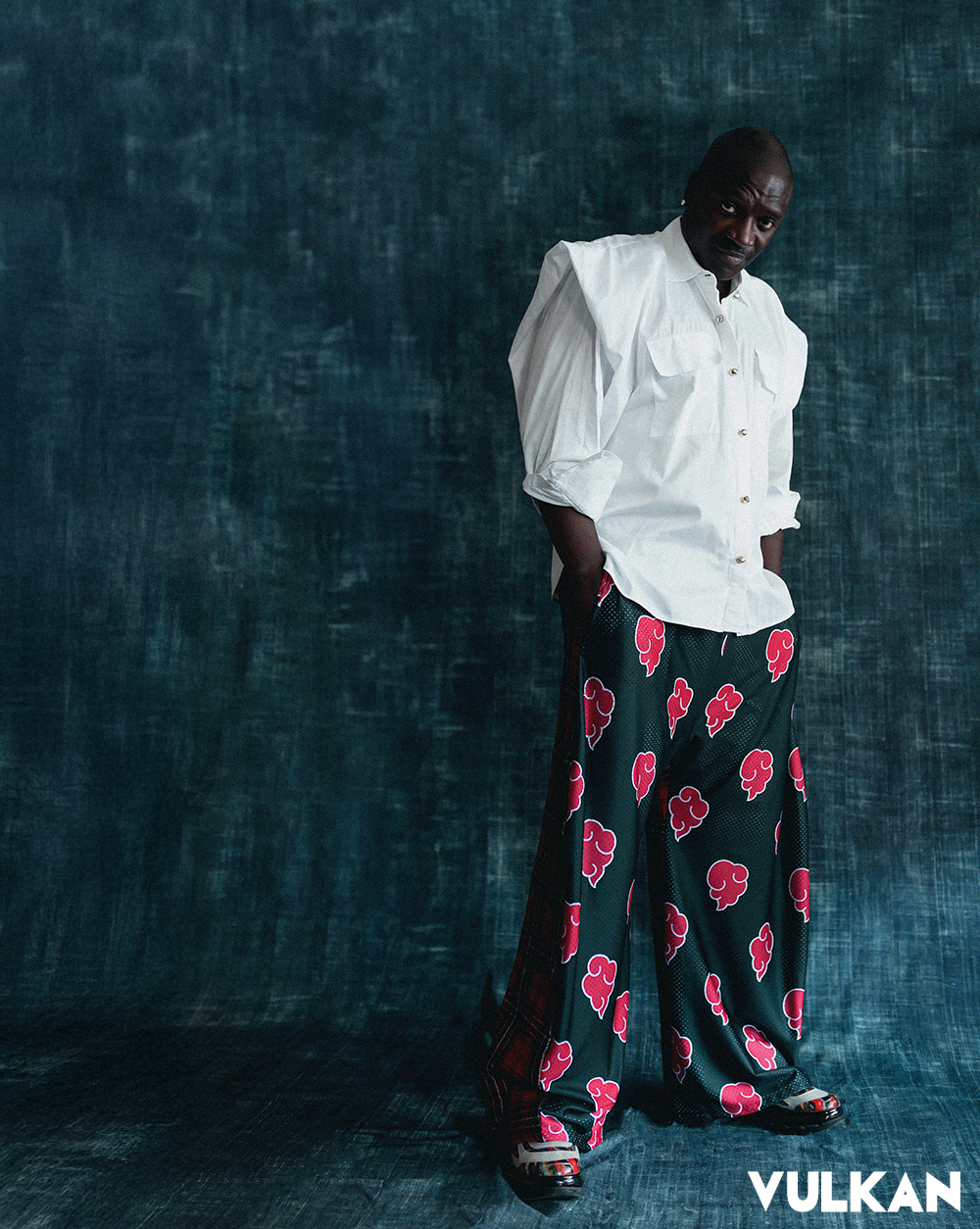
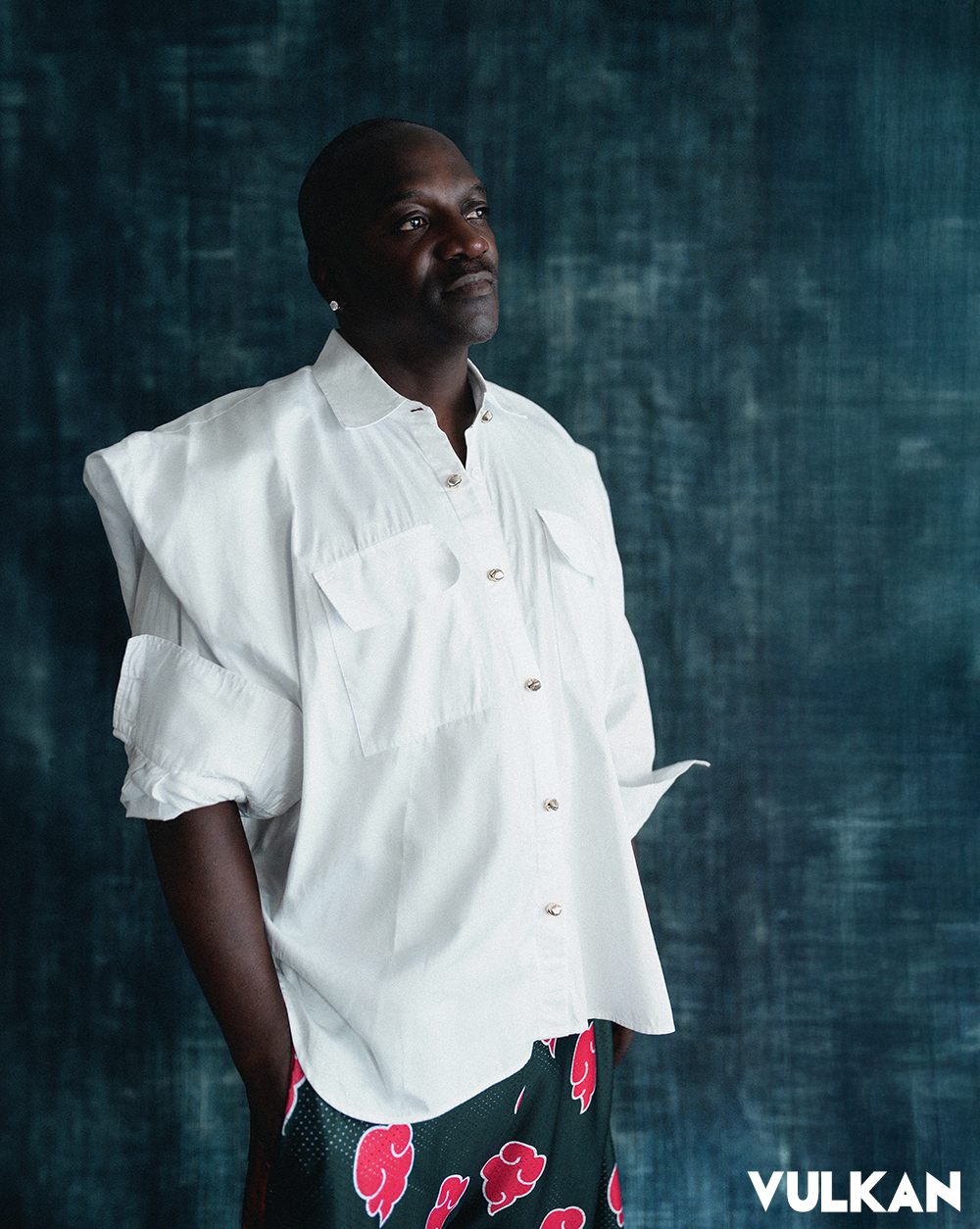
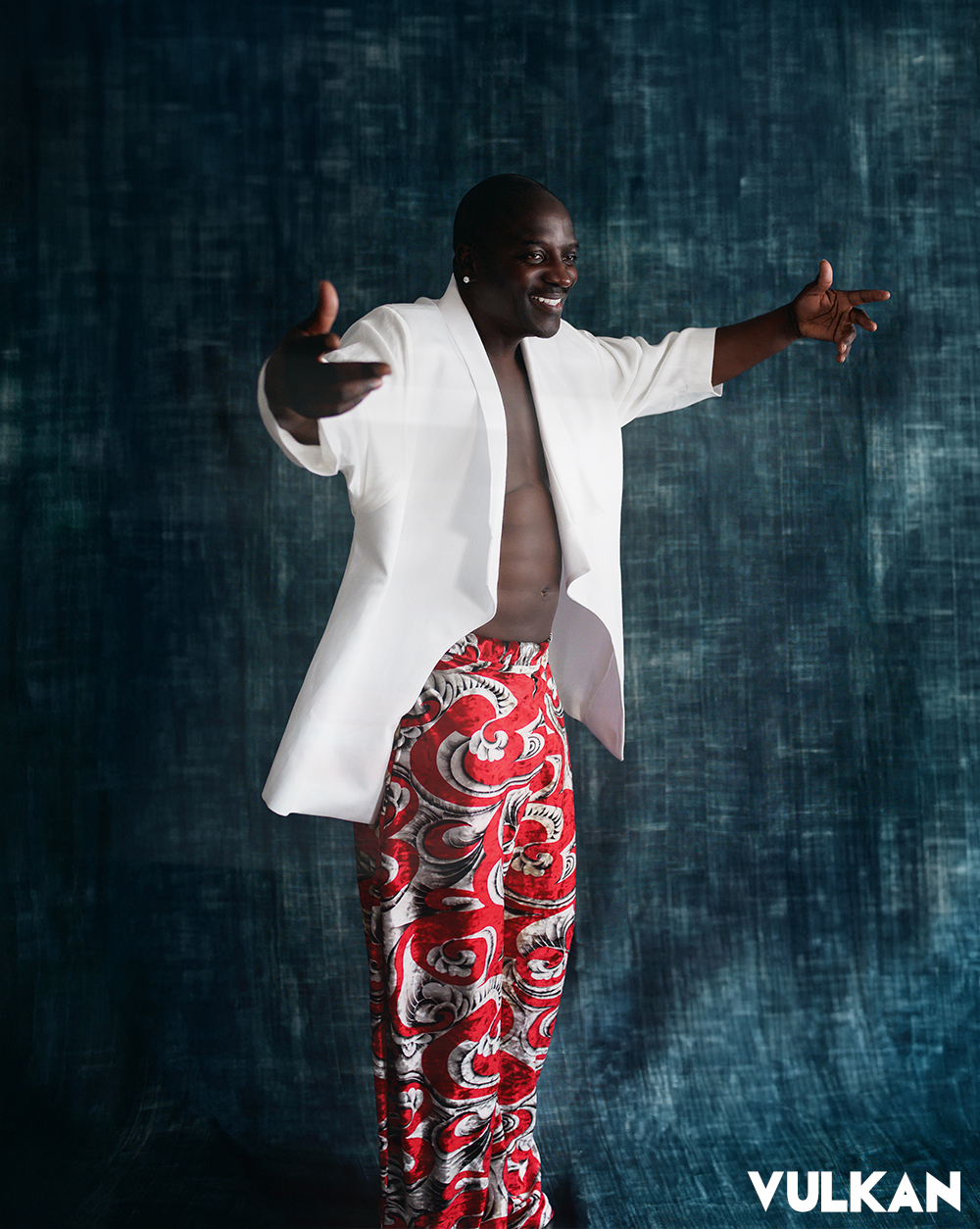
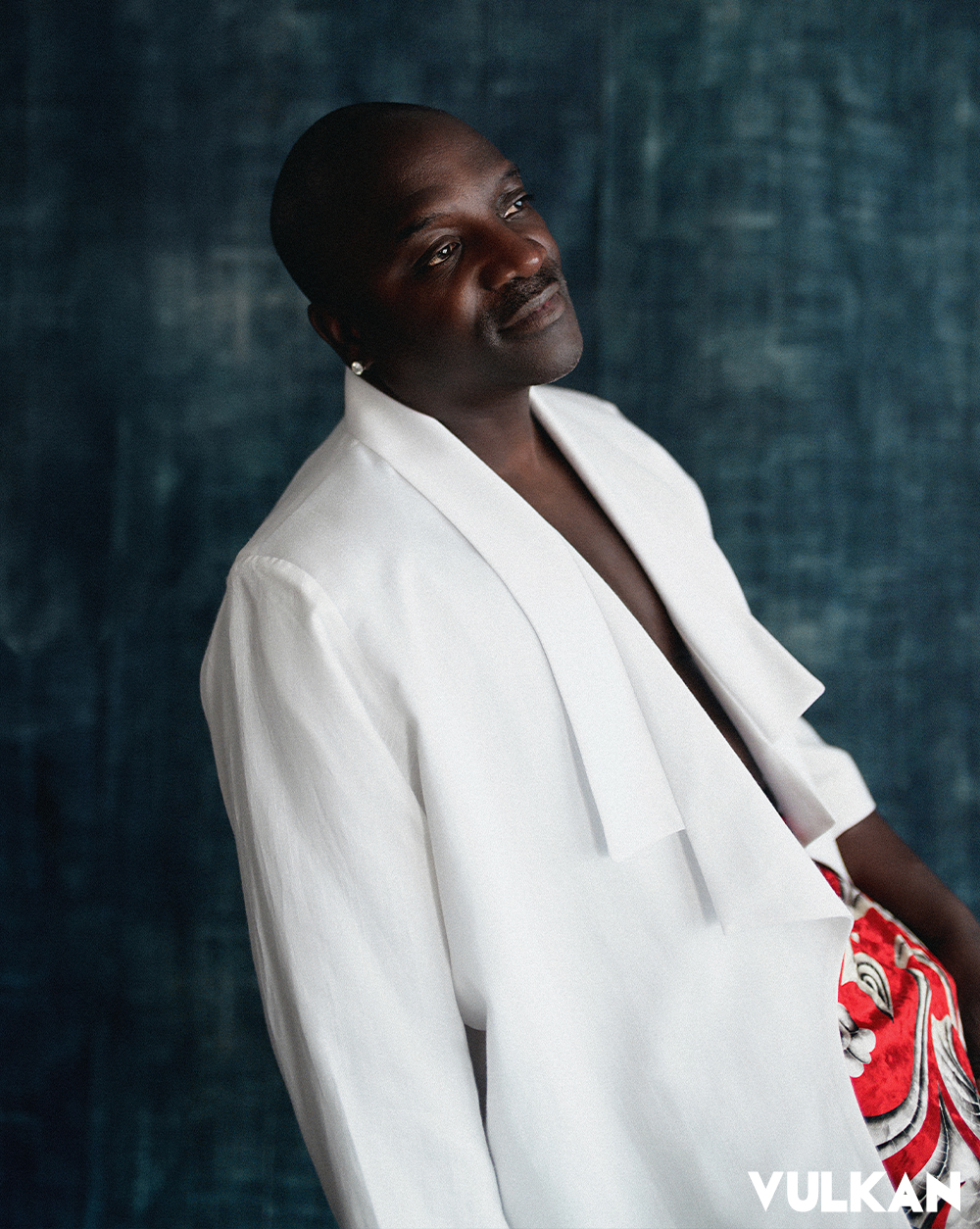
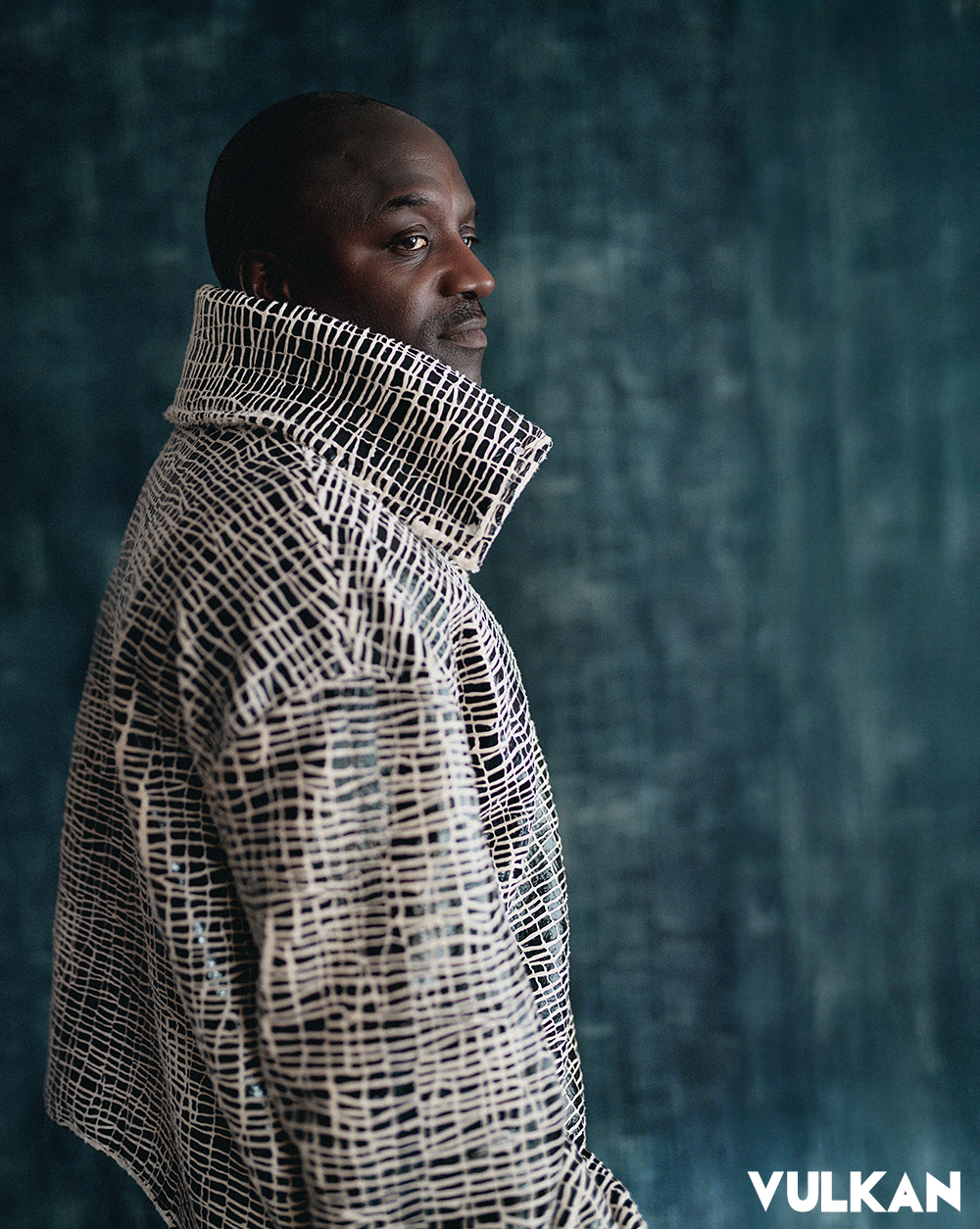
For this cover, Akon arrives in tailored minimalism with a flash of metal and a precise silhouette. Fashion, for him, is not a garnish. It is the stage you carry into every room. He understands that a look can preface a lyric and that an image can be a promise kept later in the song. The best stylists tell the same story the music tells. Akon likes it when those stories line up.
At the height of his chart run, he turned a portion of his focus to the power of a different kind. In 2014, he co-founded Akon Lighting Africa with Samba Bathily and Thione Niang. The idea was disarmingly practical. Start with solar street lights and small home systems. Train local teams to install and maintain them. Move village by village, then country by country. The initiative spread across more than a dozen nations within its first years, creating jobs and changing nights that had once been dark into safe public spaces.
Impact numbers vary by source, but the scale is clear. Devex reported early milestones as projects reached communities across the continent. Trade press later tallied hundreds of thousands of street lamps, micro-grids, and millions of people touched by new access. The specifics keep moving because the work keeps moving. The throughline is simple. Music made him famous. Light made him useful.
Ambition invites scrutiny, and Akon has welcomed both. His proposed smart-city project in Senegal captured imaginations worldwide. It also met delays, shifting timelines, and government pressure to show concrete progress. Reporting in 2024 detailed how only a welcome center had materialized and how authorities warned that land rights could be reduced without visible change. The dream is being re-scoped into something more realistic. Bold visions are easy to announce. They are harder to right-size in public. He has chosen to iterate rather than disappear.
In sessions, Akon looks for chemistry that feels inevitable. With Eminem, he found tension you could dance to. With Snoop, he found glide. With rising artists, he listens for a center of gravity. The best pairings happen when ego quiets down and the song takes the wheel. His track record as a mentor and executive is really a record of curating rooms where the best idea wins.
After plaques and tours, what still keeps him curious is the process. New languages. New tempos. New platforms. The industry will keep changing. He chooses to move with it. It is the same instinct that let him release Spanish-leaning hooks one year and Afro-leaning rhythms the next, then turn around and chase a left-field single that only makes sense once it is out in the world. Longevity for him is not holding on. It is letting go and trying again.
Akon’s catalogue reminds you that pop can be generous. The hooks welcome you. The verses carry weight without preaching. The man who once measured success in spins also measures it, now, in streetlights that stay on after sunset. He is comfortable being read in more than one column. Artist. Builder. Connector.
When people look back, the story will not be about a single song or a single project. It will be about a pattern. He saw where culture was headed and stepped there early. He used his audience to widen access at night for families who needed light to walk home. He made room for other artists to become themselves. The moral is not complicated. Find the rhythm that moves the most people. Then keep it going.