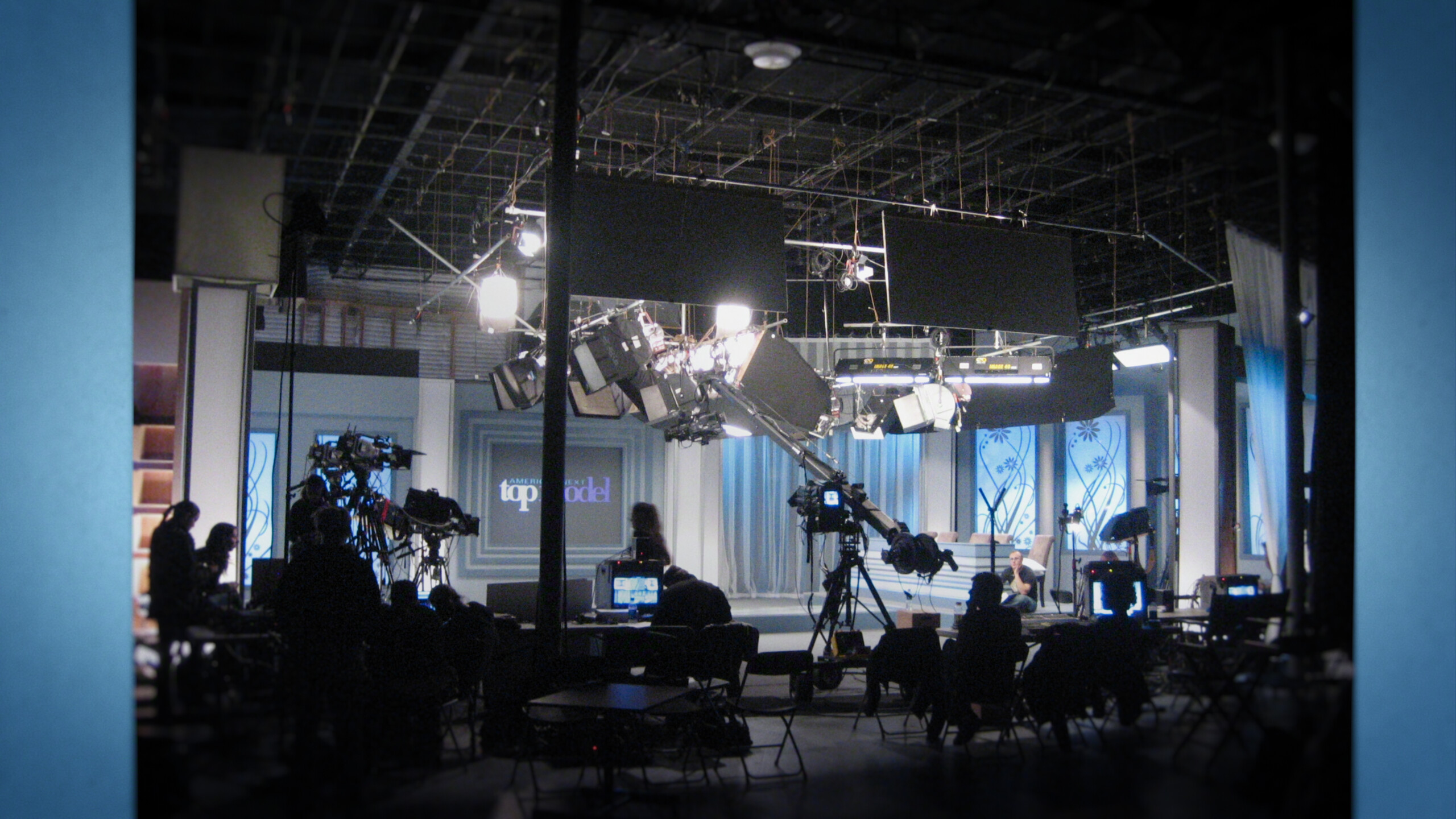
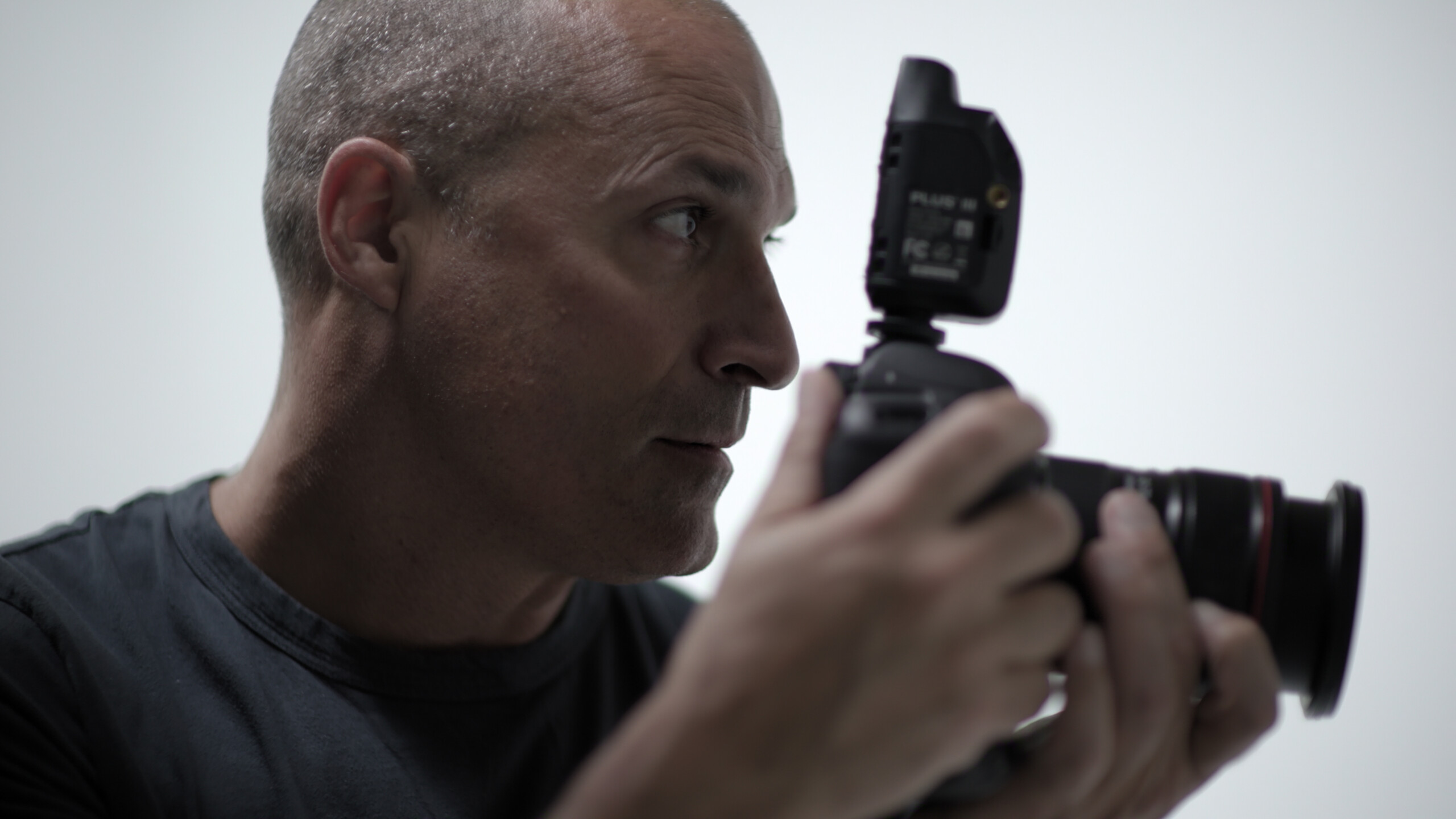
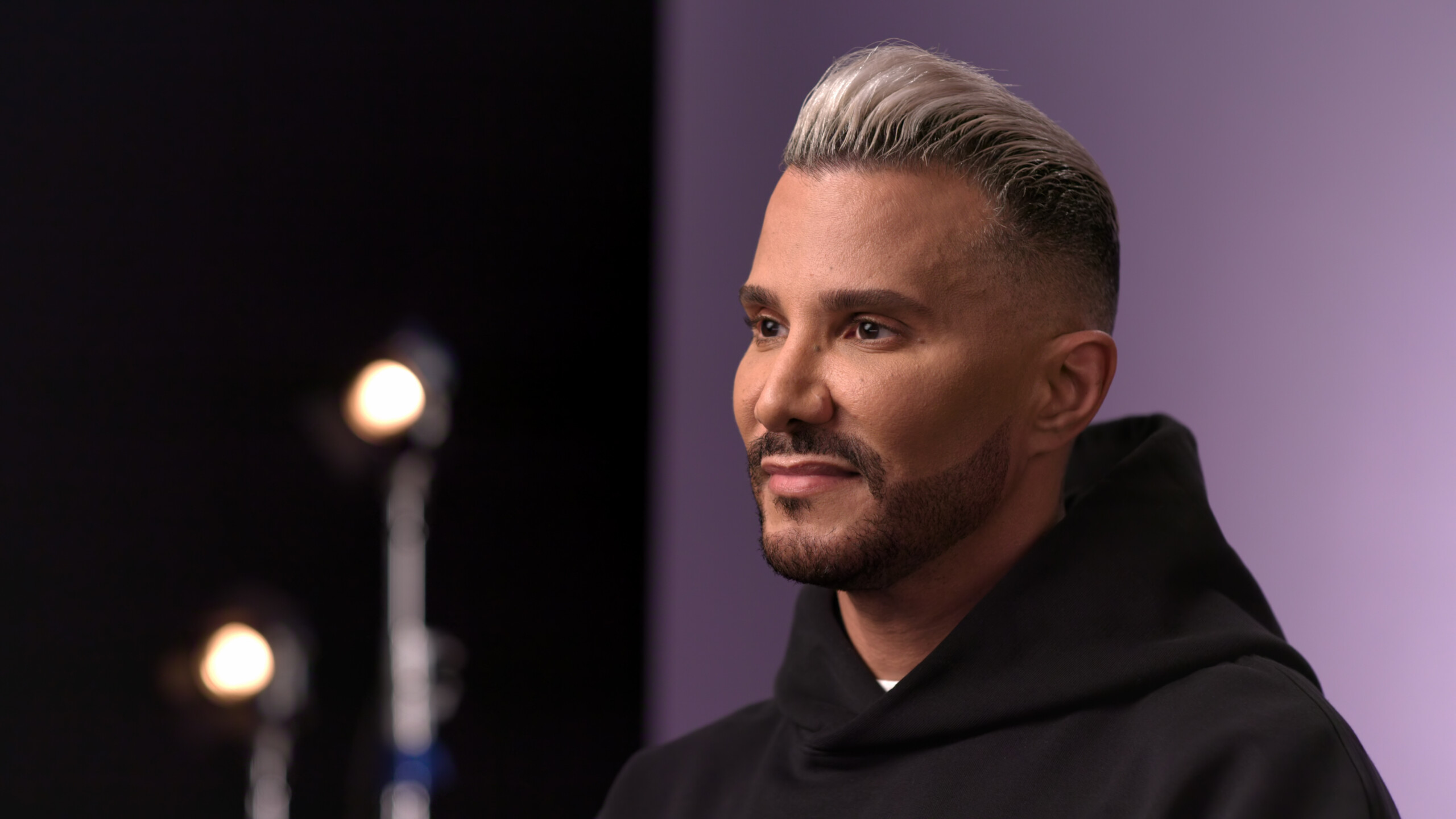
For more than a decade, America’s Next Top Model didn’t just dominate reality television it shaped it. The show sold a fantasy of transformation: ordinary young women turned into high-fashion stars through grit, glamour, and a perfectly timed smize. But beneath the runway lights and judging panels, something far messier was unfolding. Reality Check: Inside America’s Next Top Model, Netflix’s three-part documentary series, finally pulls the curtain back on one of pop culture’s most influential and controversial reality franchises.
What emerges is not a simple exposé or nostalgic victory lap. Instead, Reality Check operates as a cultural autopsy, examining how a show that promised empowerment often relied on humiliation, psychological pressure, and manufactured chaos to keep audiences hooked. It’s a reckoning not just for Top Model, but for an entire era of television built on the spectacle of emotional breakdowns.
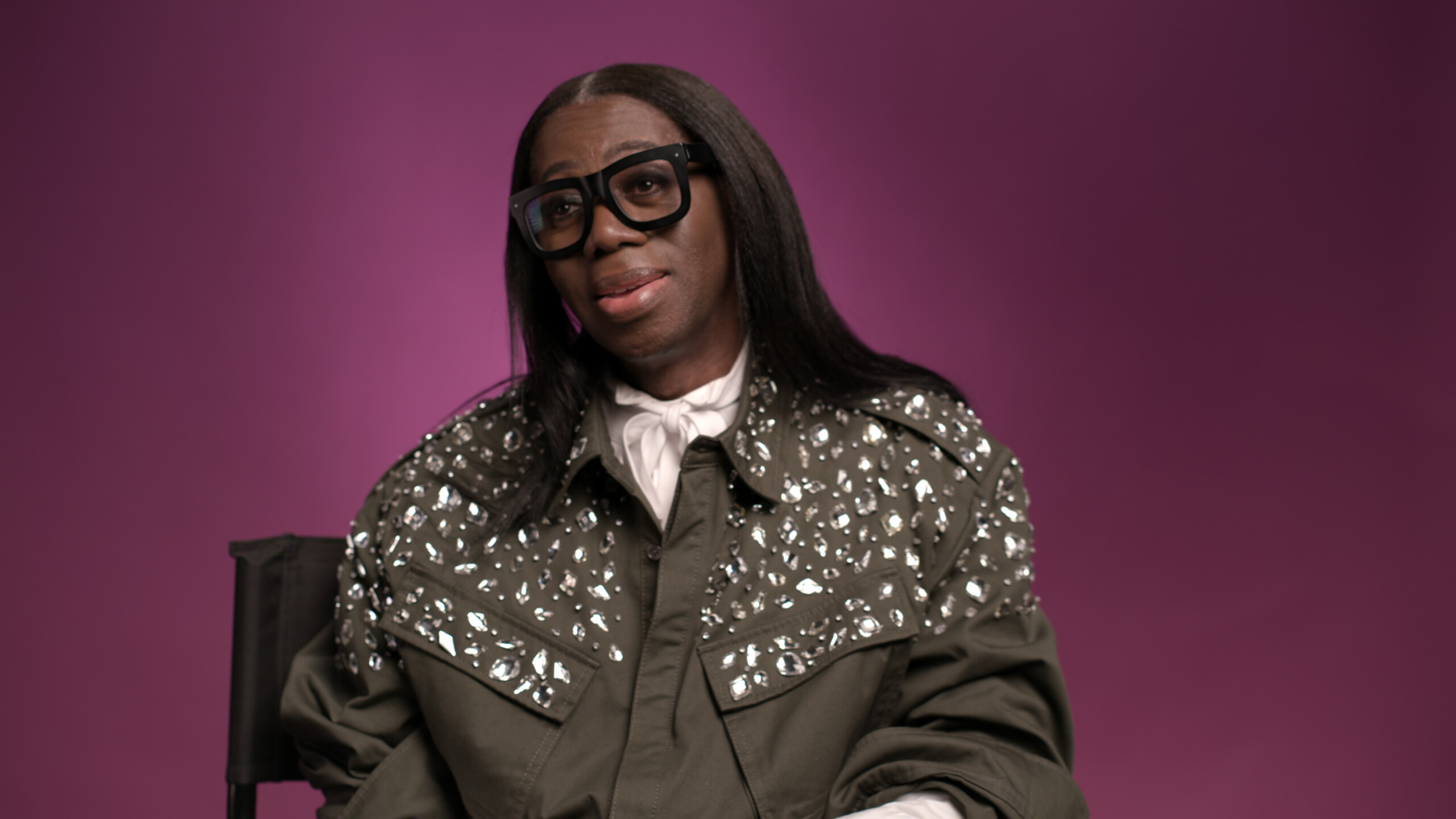
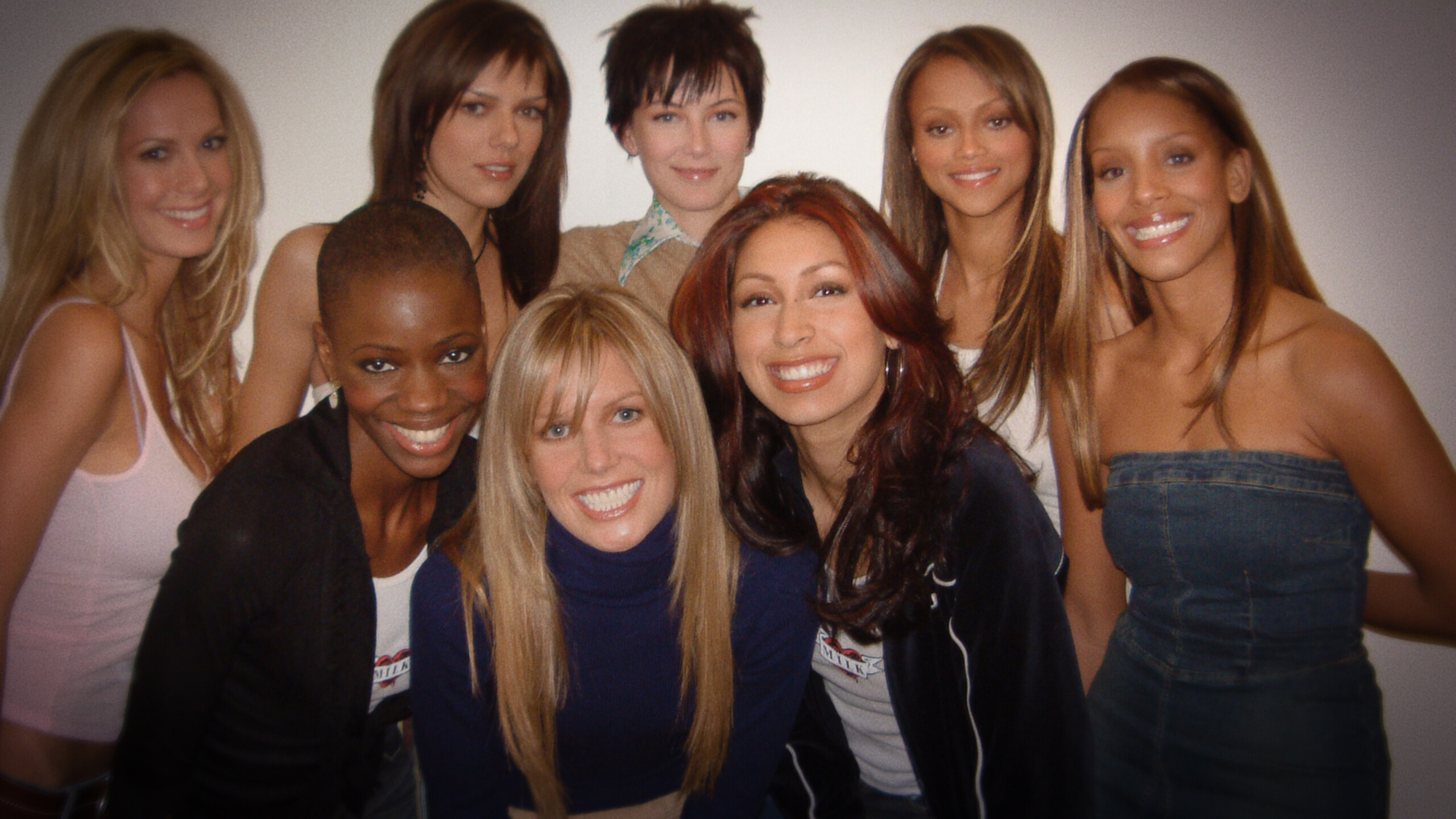
From the start, the documentary frames America’s Next Top Model as both a trailblazer and a warning. It undeniably expanded visibility introducing audiences to contestants of different sizes, backgrounds, and identities at a time when mainstream fashion was far less inclusive. But Reality Check refuses to let that progress stand alone. Through unprecedented access to former contestants, judges, and producers, the series reveals how inclusion often came with strings attached: caricatured storylines, racialized tropes, and the expectation that vulnerability would be offered up for ratings.
One of the documentary’s most unsettling throughlines is how suffering became content. Public meltdowns, tearful eliminations, and moments of personal humiliation were edited into iconic television scenes that went viral long before “going viral” was a metric. At the time, these moments were framed as tough love or character-building. Watching them now, contextualized by firsthand testimony, they read very differently: as the emotional toll of a production machine that prioritized drama over duty of care.
Directors Mor Loushy and Daniel Sivan approach the material with a journalist’s restraint rather than a tabloid’s hunger. The series doesn’t rely on shock for shock’s sake; instead, it allows patterns to emerge organically. Contestants describe contracts they didn’t fully understand, power imbalances they couldn’t escape, and the whiplash of instant fame followed by near-total abandonment once the cameras stopped rolling. Producers, for their part, reflect on an industry that rewarded escalation bigger fights, harsher critiques, louder moments until cruelty became normalized.
What makes Reality Check compelling is its refusal to isolate blame to a single figure or moment. This is not a takedown of one showrunner or one host. It’s an indictment of a system—and of audiences. The documentary repeatedly circles back to its most provocative question: how far are we willing to go for entertainment? The implication is clear. These shows existed because we watched, quoted, memed, and demanded more.
In revisiting America’s Next Top Model, the series also captures a broader cultural shift. Reality television today still thrives on conflict, but there is growing awareness around consent, mental health, and ethical production. What once passed as “iconic TV moments” are now reevaluated through the lens of accountability. Reality Check doesn’t pretend this progress is complete, but it makes clear that the conversation has changed—and that change came at a cost paid largely by young contestants with little power and everything to lose.
Ultimately, Reality Check: Inside America’s Next Top Model* is less about nostalgia than it is about responsibility. It challenges viewers to sit with their own complicity, to question why discomfort was ever confused with entertainment, and to reconsider what kind of stories we reward with our attention. The runway may be gone, but its impact lingers and Netflix’s documentary makes sure we finally look at it head-on.
In an era obsessed with reboots and revivals, Reality Check stands out by asking not what we want back, but what we should leave behind.
Image source: Netflix